


HAPPY HALLOWEEN
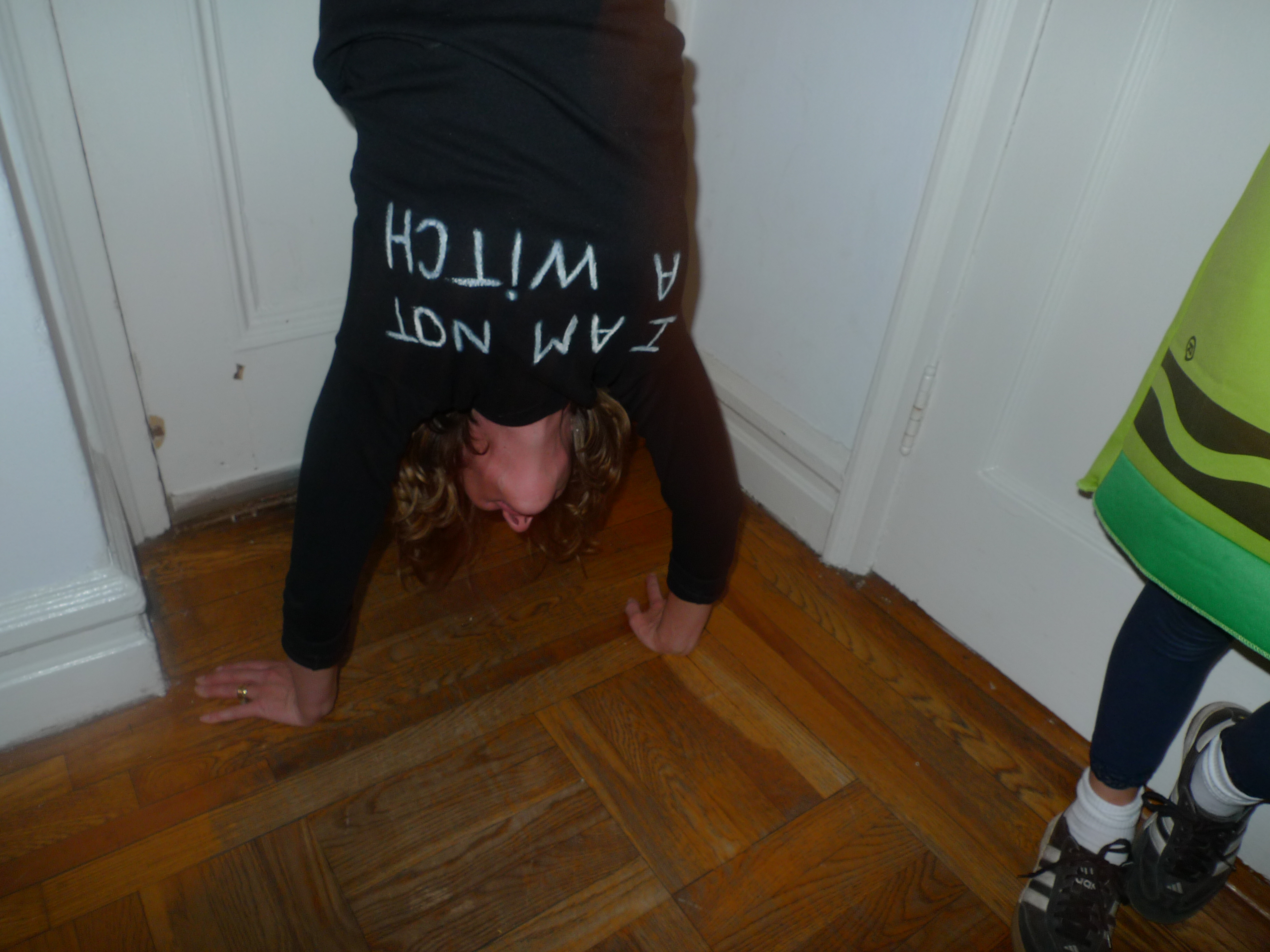
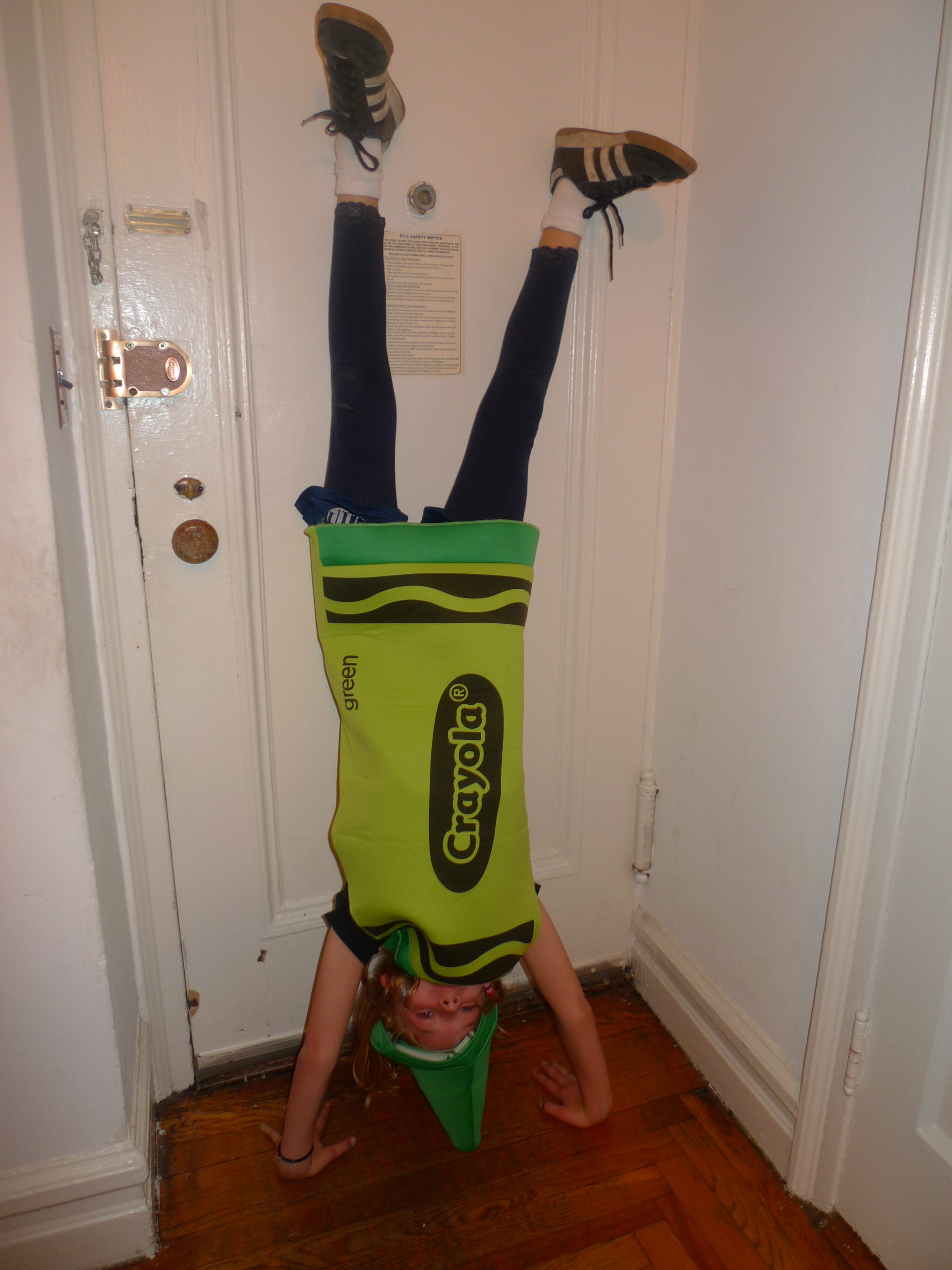
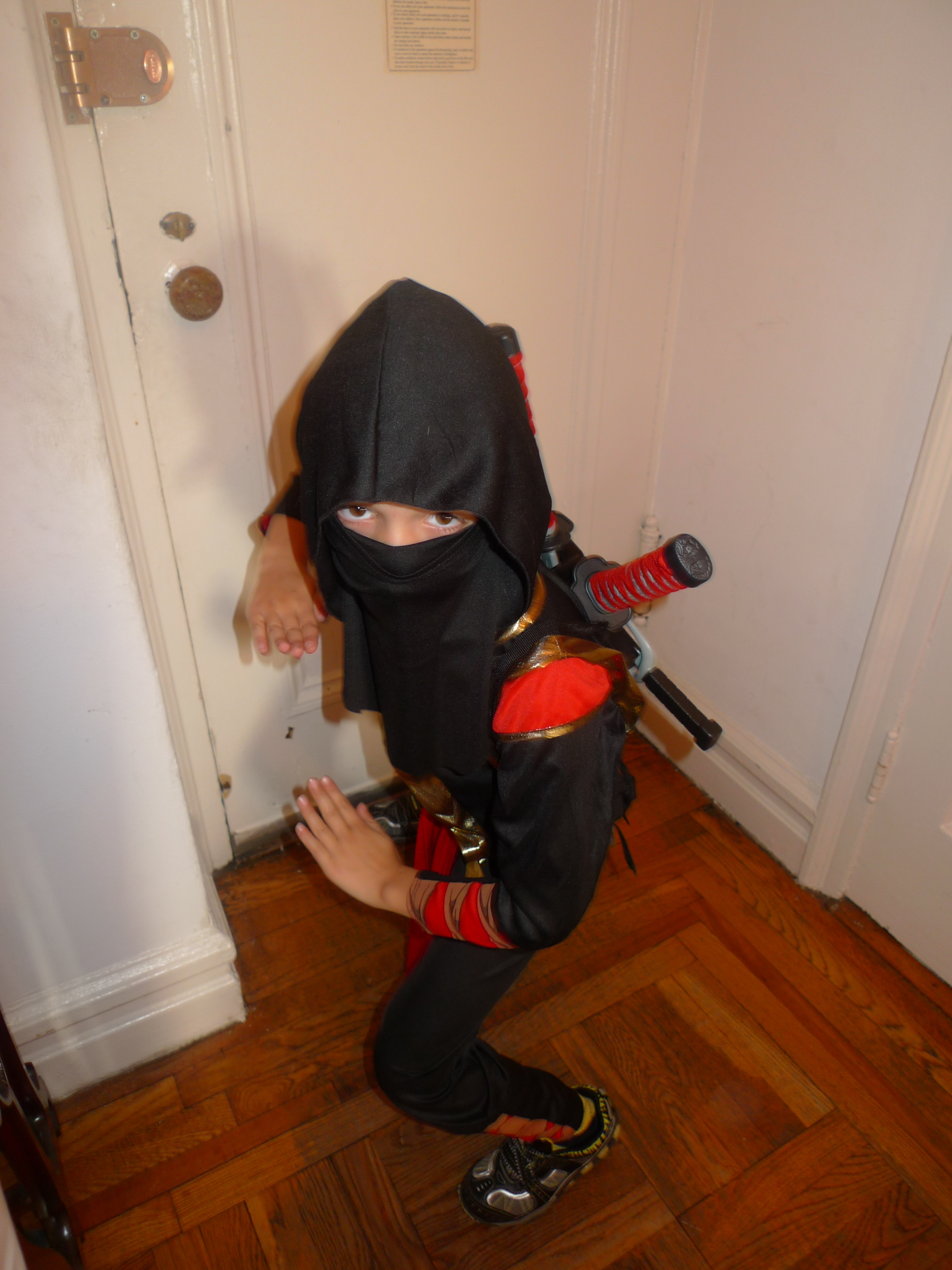

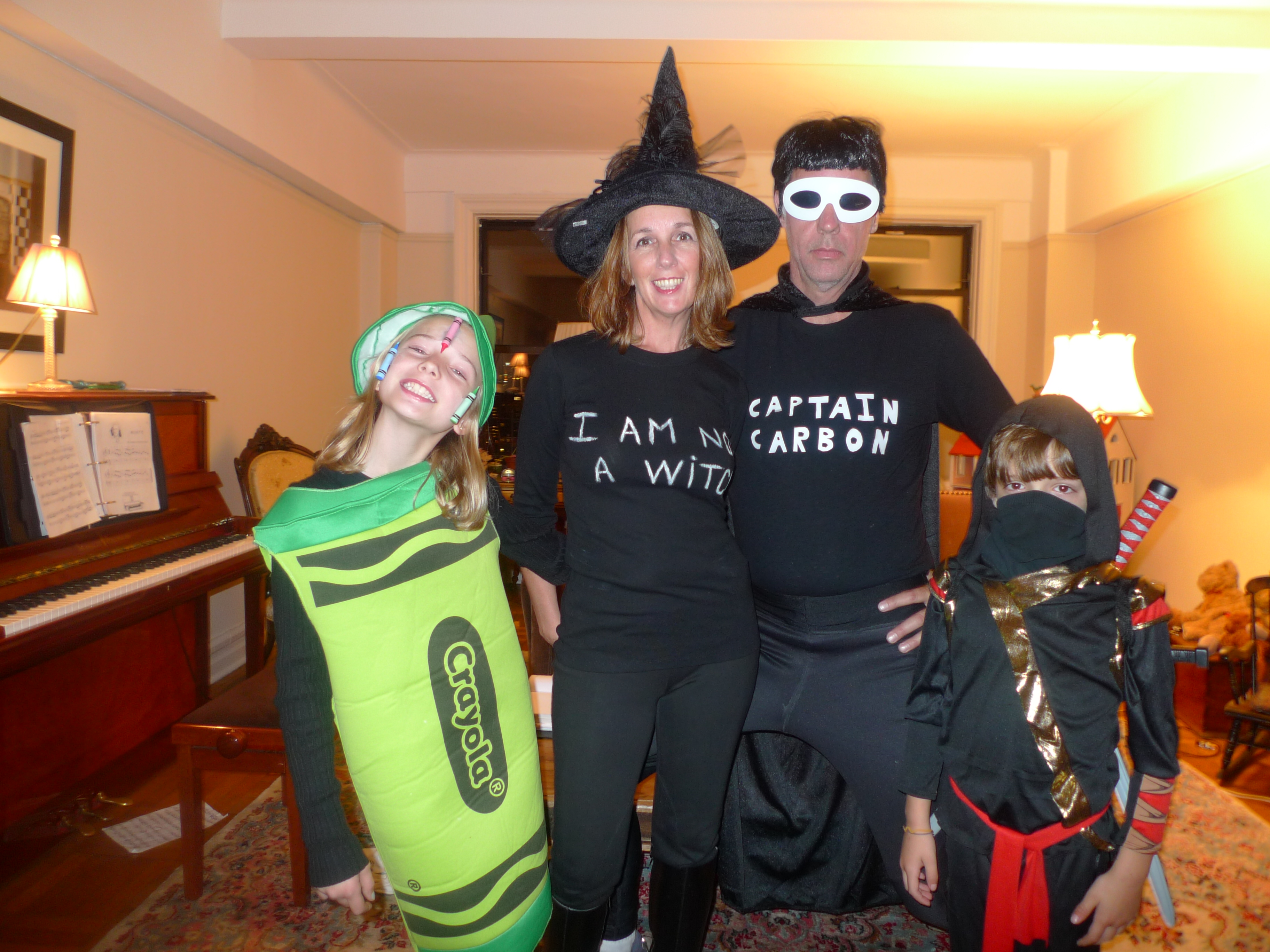
VOTE NOVEMBER 2
HAPPY HALLOWEEN

I first had Spaghetti Carbonara on the Greek island of Paros. I was 18 and was there with my great Italian friend, Dodi, visiting some friends of hers from her town, Varese. One of the friends was Giulio. When I met him, he was standing on steps leading to a roof top apartment on one of those white-washed Greek structures trimmed in a vibrant blue. He was negotiating with the landlady, struggling to communicate with her in his best ancient Greek which of course she didn’t understand. She was dressed all in black, and seemed quite old. Dodi and I had just arrived. He looked at down at me at the bottom of the stairs. In Italian it is called un colpo d’amore, an attack of love. In English: love at first site. That night he made a big group of us pasta carbonara, using bacon because he couldn’t find guanciale or pancetta in the food stores. It was as simple and as delicious as the following recipe, and I have been making it ever since and every time I make it I am 18 again on a Greek island, filled with possibility.
Pasta Carbonara
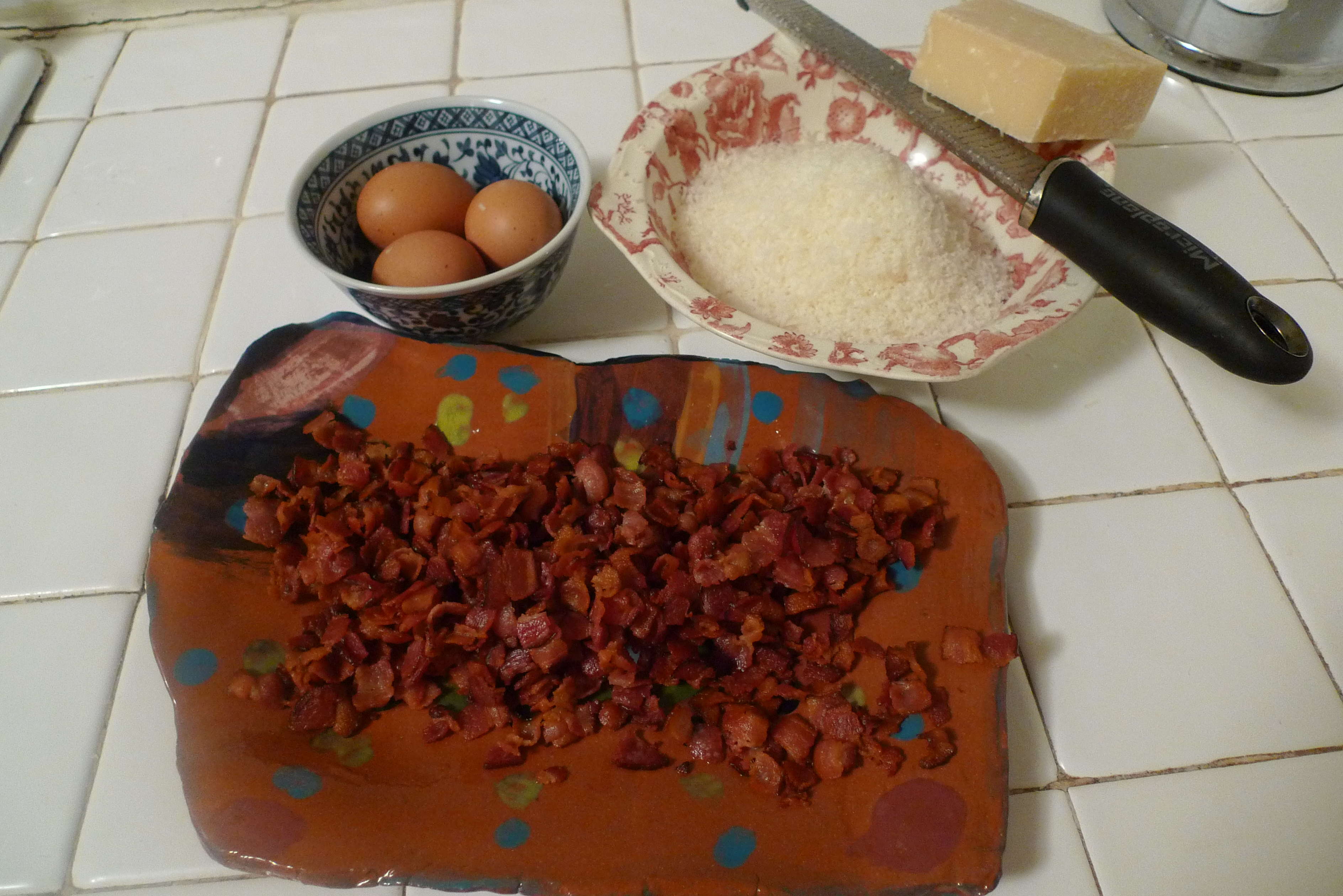
3 eggs (use the best because they are only cooked by the heat of the spaghetti fresh from the boiling water. I use eggs from my mother’s farm.)
1/2 cup to 3/4 cup of grated parmigiano
1 pound of bacon cut into 1/2 inch pieces and cooked until crisp (carbonara refers to the coal miners who invented the dish in mid-century Italy. Take apart carbon – ara and you get carbon. The bacon becomes the little bits of coal.)
1 pound of spaghetti (don’t use anything thinner — spaghettini or angel hair NO NO NO. I absolutely love how Italians have put a lot of thought into which shape of pasta works with which type of sauce. A thinner noodle would wilt under the weight of the bacon and egg, become mushy.)
FACT and HINT: A real carbonara should have NO cream. Mistrust any recipe that involves cream.
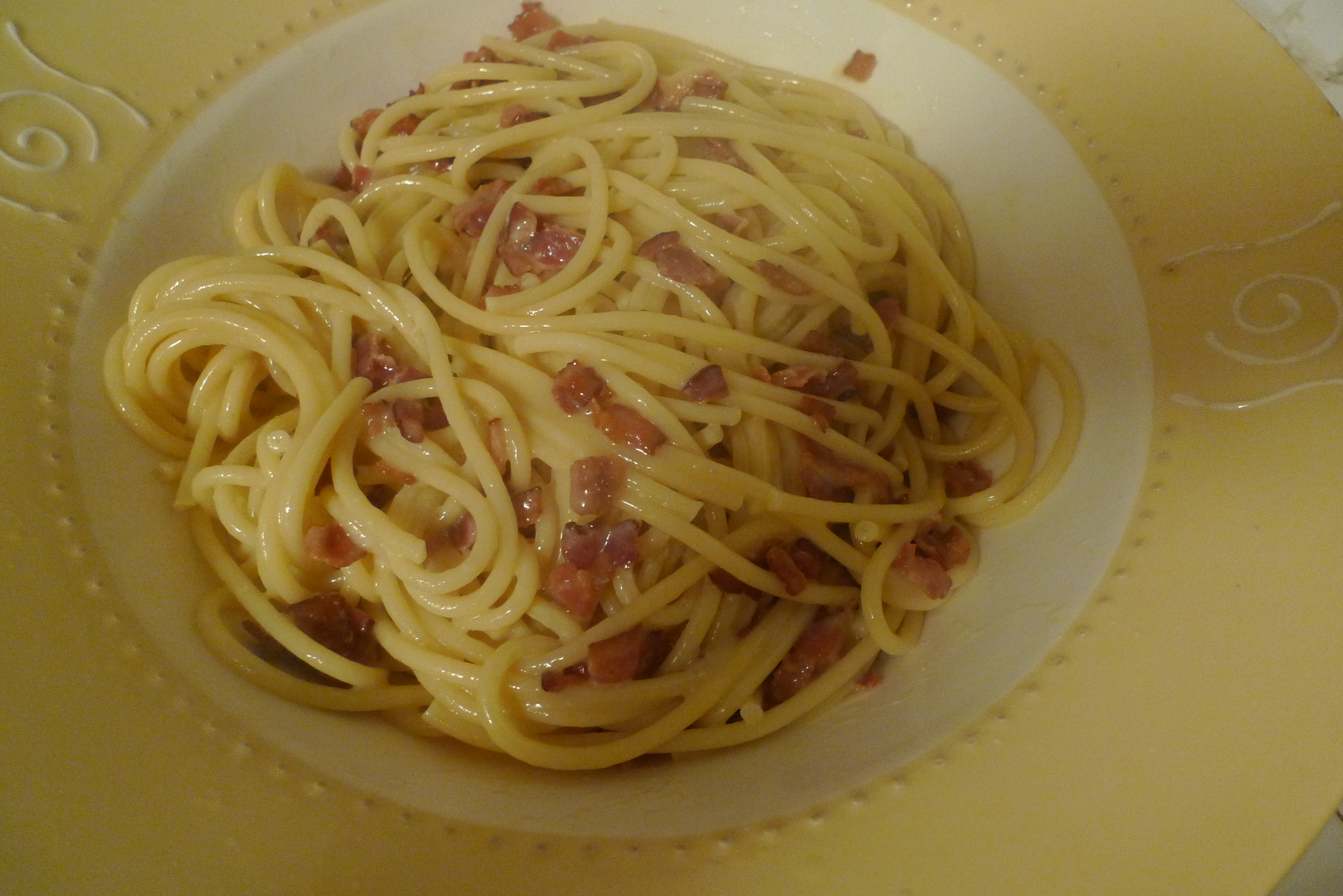
Cook the bacon. Boil the pasta. Break the eggs into the serving dish. Stir swiftly with a fork. Then stir in the cheese. Just before the pasta is ready to strain, toss the bacon with the eggs. Strain the pasta and while still wet and very hot pour on top of the egg/bacon mixture. Let stand for about a minute, then toss, as you would a salad. Serve with more parmigiano.

Warning: Heart Attack On A Plate, as my brother-in-law liked to describe Carbonara.


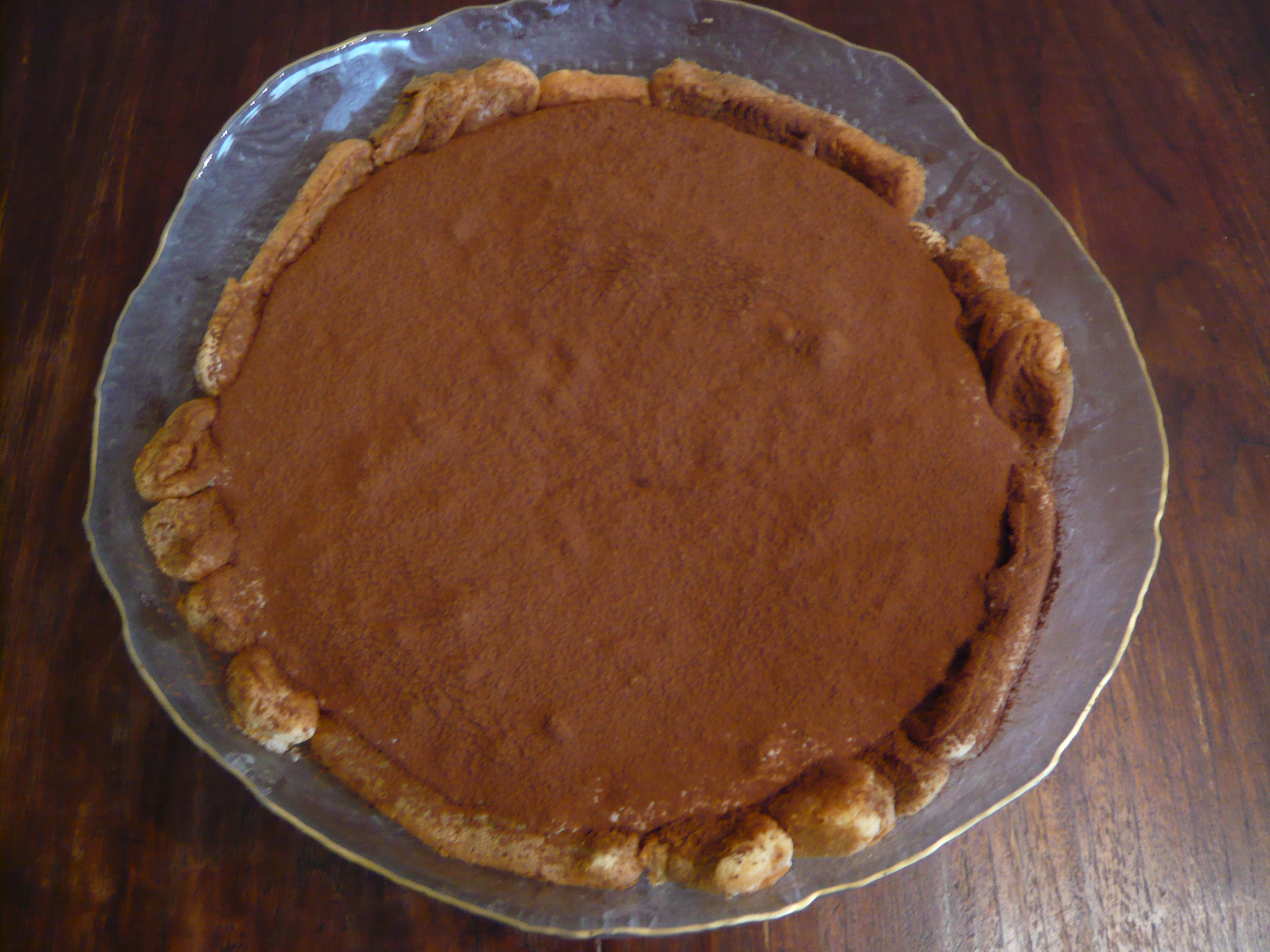
This summer, in Idaho, with my brother-in-law’s brother, Michele Passaleva from Florence, I learned that my classic tiramisu recipe was more complicated than it needed to be. He taught me an even better method: his wife, Stefania’s.
Stefania’s Tiramisu
5 eggs, separated
5 big spoonfuls of white sugar
500 grams of Mascarpone
enough lady fingers (2 packages)
espresso for dipping the lady fingers (3/4 cup)
semi-sweet chocolate for grating (1 bar)
Combine the yolks and sugar and beat with a whisk until creamy and smooth and gorgeous. Add the mascarpone and continue to stir until light and lovely. In a mixer, whip the whites until stiff. Fold into the yolks. In a bowl place lady fingers in rows after lightly dipping in espresso. Cover with mascarpone mixture, grate chocolate. Repeat as many times as the mascarpone mixture will allow (usually around 4 layers). Dust the top with shaved chocolate. Chill for 6 hours. Know that it is always best on the second day. Serves 6-8.
Cook’s note:
1) This recipe can easily be doubled.
2) In America, with egg recalls, many people are skittish about using raw egg. For an authentic tiramisu there is no way around it. Whipped cream makes it too heavy. Cooking the yolks in the top of a double-boiler (as I instruct in my previous recipe) doesn’t get hot enough to cook them and there are still the whites, which give air and lightness to the dessert, to contend with. I happen to use eggs from my mother’s chickens. In Idaho, without her eggs, we bought the most organic brand we could find. And this was in the middle of the egg recall.


“Let us define plot. We have defined a story as a narrative of events arranged in their time-sequence. A plot is also a narrative of events, the emphasis falling on causality. “The king died, and then the queen died” is a story. “The king died, and then the queen died of grief” is a plot. The time-sequence is preserved, but the sense of causality overshadows it. Or again: “The queen died, no one knew why, until it was discovered that it was through grief at the death of the king.” This is a plot with a mystery in it, a form capable of high development. It suspends the time-sequence, it moves as far away from the story as its limitations will allow. Consider the death of the queen. If it is in a story we say “and then?” If it is in a plot we ask “why?” That is the fundamental difference between these two aspects of the novel. A plot cannot be told to a gaping audience of cave-men or to a tyrannical sultan or to their modern descendant the movie-piblic. They can only be kept awake by “and then—and then—” They can only supply curiosity. But a plot demands intelligence and memory also. — E. M. Forster, from Aspects of the Novel


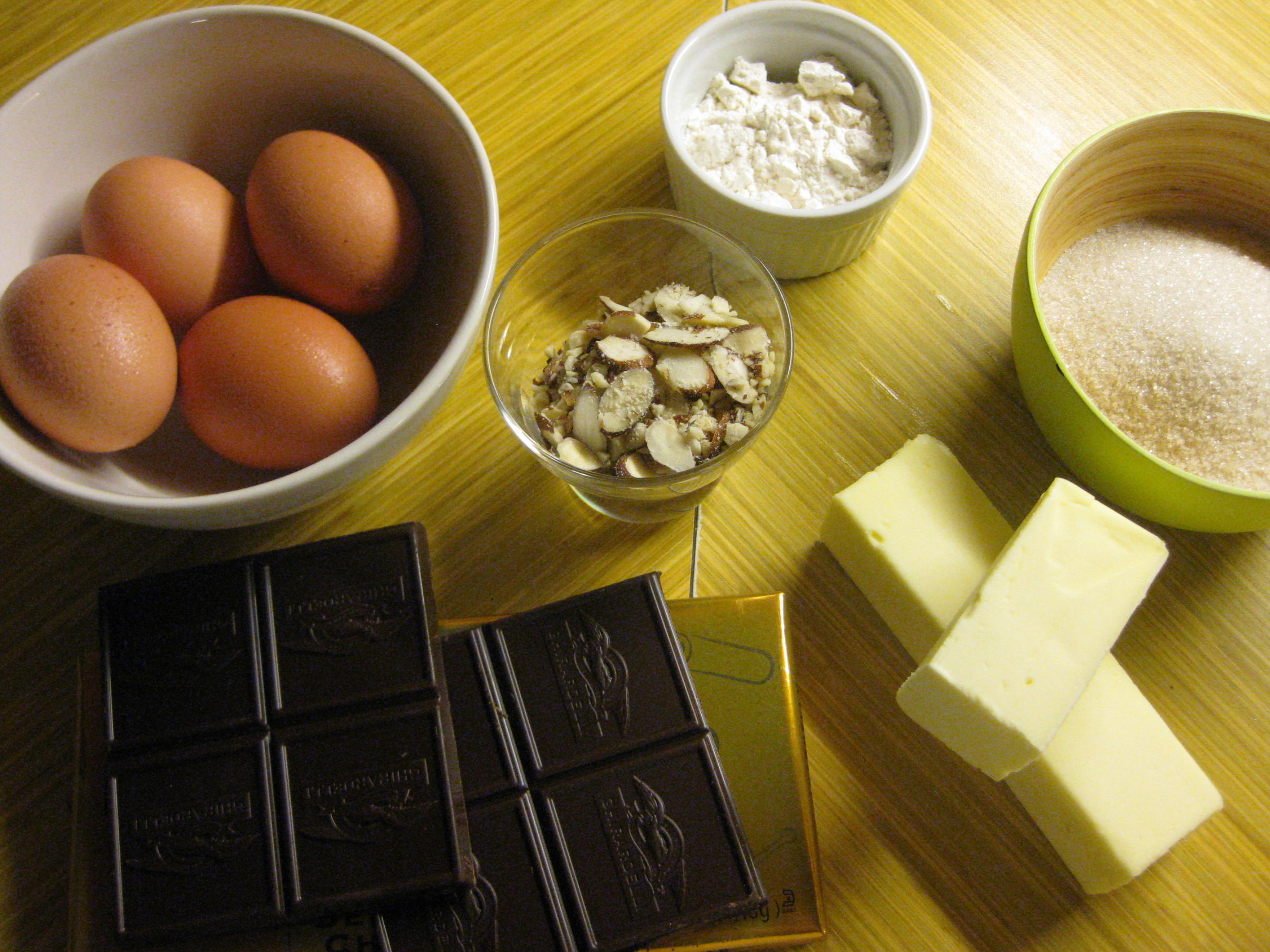
I learned most of what I know about cooking in Italy, from a family I lived with for two summers in high school and then for a year before college. Mirella, the mother, and her daughter, Dodi, my best friend back then and still today, never measured anything, never really used a measuring cup or spoons. Occasionally they’d pull out a scale, weighing in grams, eti, kili, but not much. Their food was simple and elegant and the best Italian food I have ever had — lasagne and pasta al pesto and roast pheasant and spumoni and chocolate salami and involtini and pesce in burro. I could carry on and describe it all and tell you, even, how to make it, but this is not a post about food. It’s a post about measuring — about looking around at the world, at friends, at siblings, at ourselves comparing what they’ve got and are doing and giving against ourselves: what we’re getting and giving, trying to add it all up and make it equal and fair. Just think off #franzenfreude. “It’s not fair,” my children are constantly saying, it seems. “You love him more.”
I am most impatient with myself most when I find myself measuring. Growing up in a family with ten kids, there was a lot to measure: love, intelligence, beauty, work, money even. And family, of course, can be a microcosm for the world. The other day, I found myself thinking about Dodi — she has a fantastic restaurant, Nonna Tata, in Fort Worth, Texas. I was remembering visiting her there, watching her effortlessly prepare so much delicious food. Beautiful dish after sumptuous dish emerging from her oven and stove. A little of this. A lot of that. A master. A star. (As it happens, she just won a local Top Chef competition for Fort Worth, using no recipes.) It occurred to me, quite simple really: if you know what you’re doing, you do not need to measure.
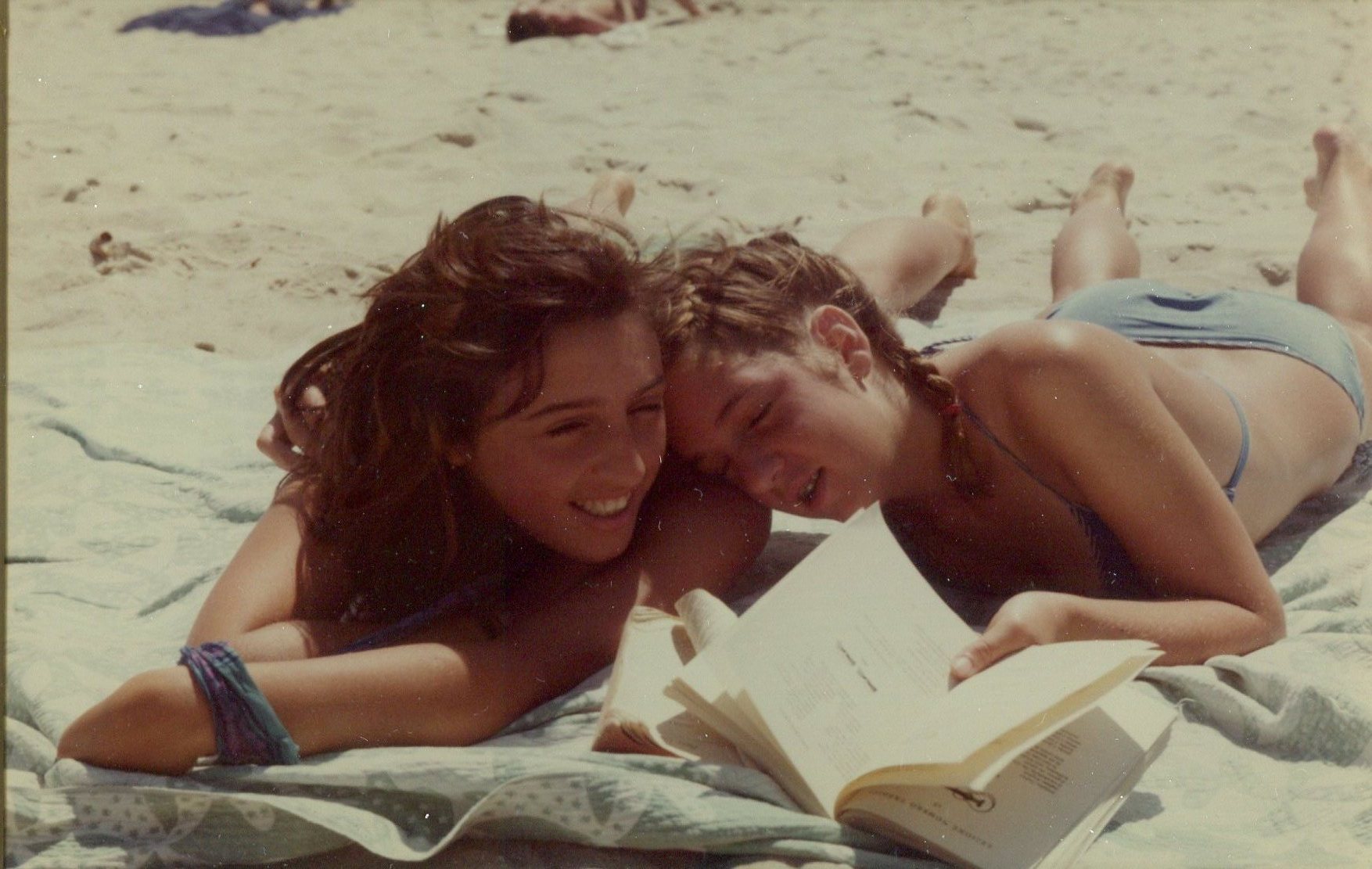
Martha and Dodi, Bay Head, July 1980

 MARTHA McPHEE