
Finished books arrived today. I’m thrilled. Thank you Houghton Mifflin Harcourt. I love to hold the book. I love the size. I love the cover, the entire dust jacket.
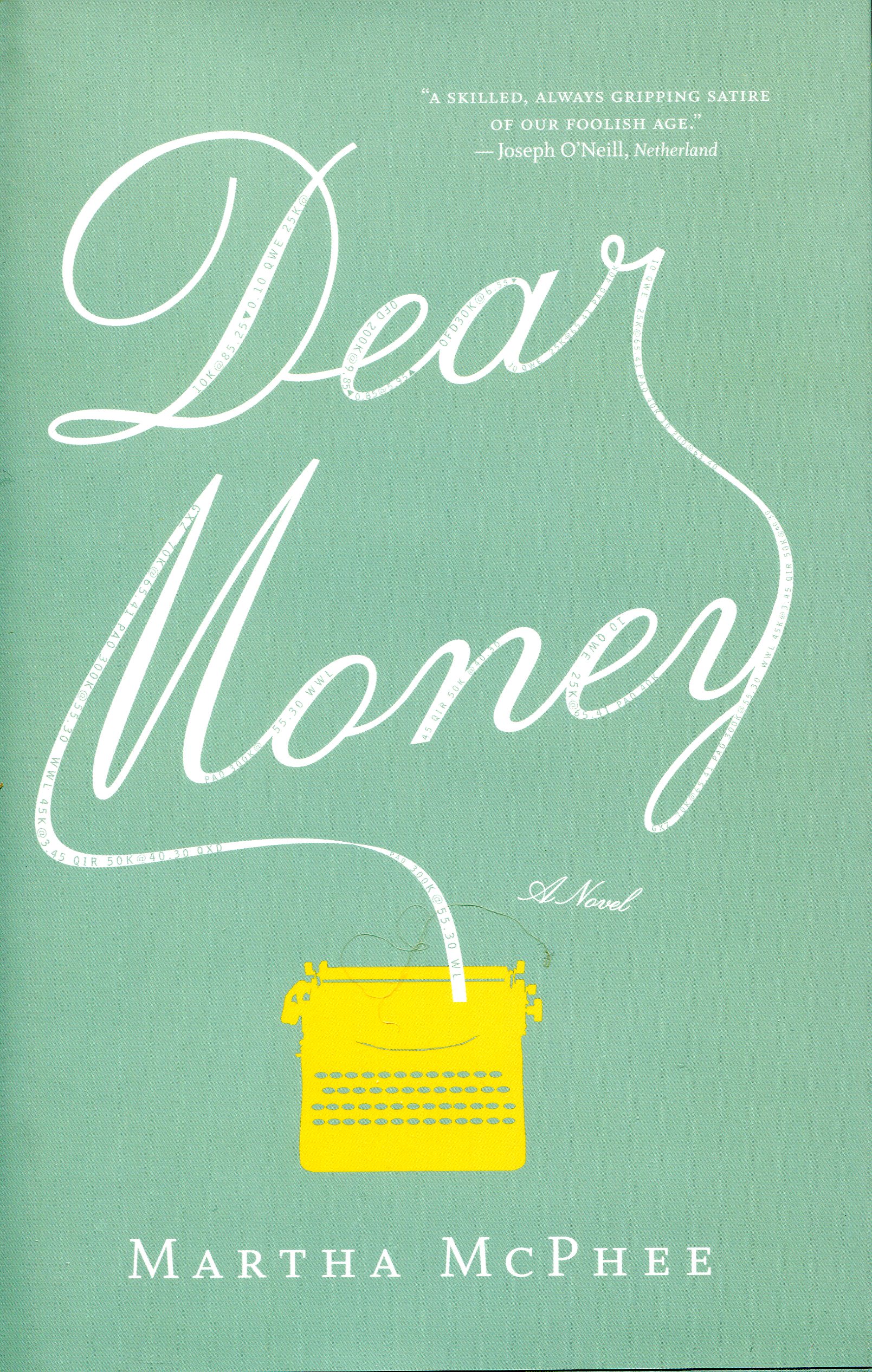
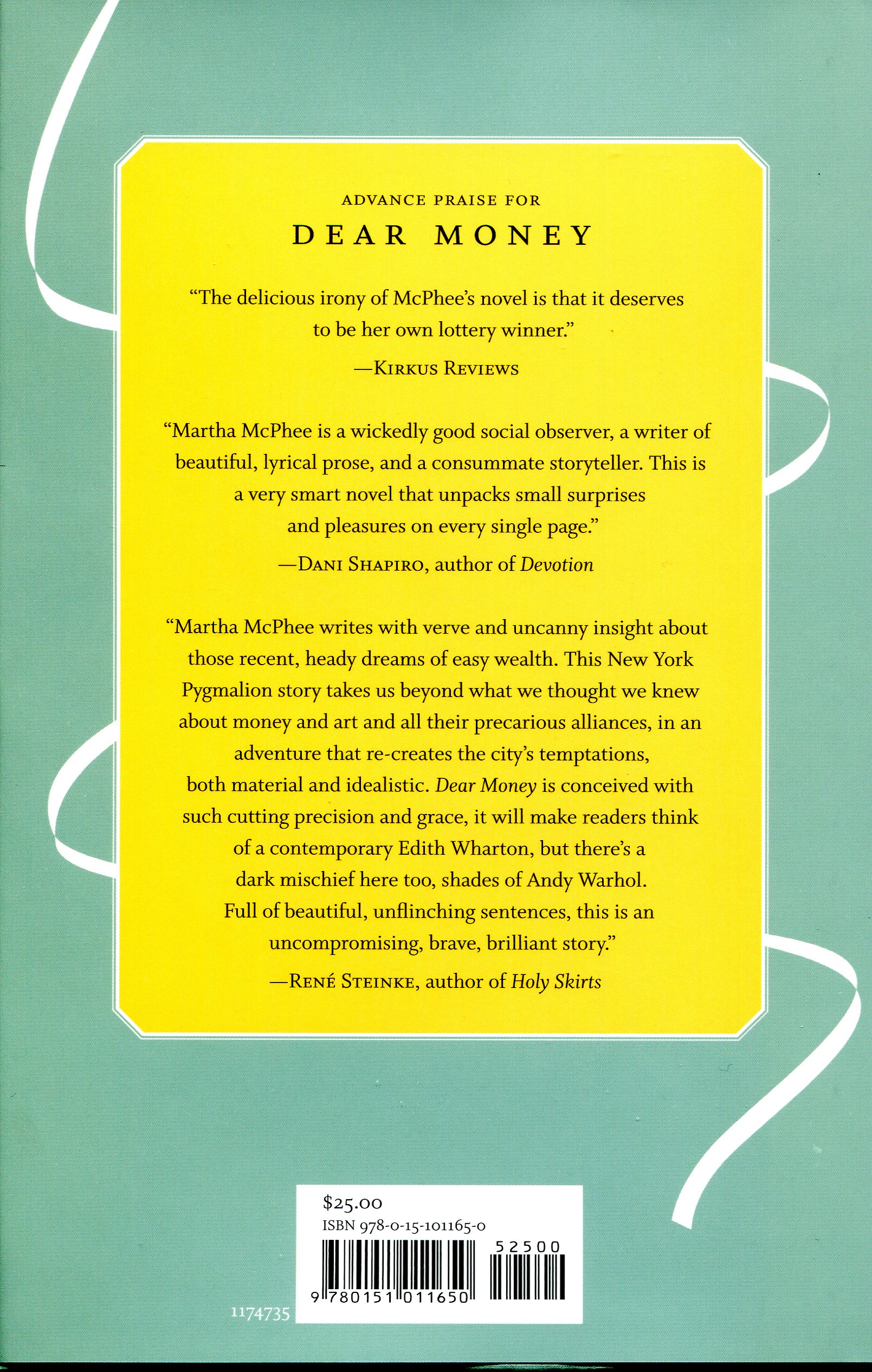
Available in stores around June 3rd.


Finished books arrived today. I’m thrilled. Thank you Houghton Mifflin Harcourt. I love to hold the book. I love the size. I love the cover, the entire dust jacket.
Available in stores around June 3rd.

Oh no, my daughter is a poet.
Proofread Your Heart
When hatred takes over
your heart, whisper to me
when your goddess fails
whisper
when the world is gone
whisper
because
there
is
an answer
when the sound of
guns and bullets
crashes down
whisper to me for even
up here
I can hear.
— Livia Svenvold McPhee, 10 years old
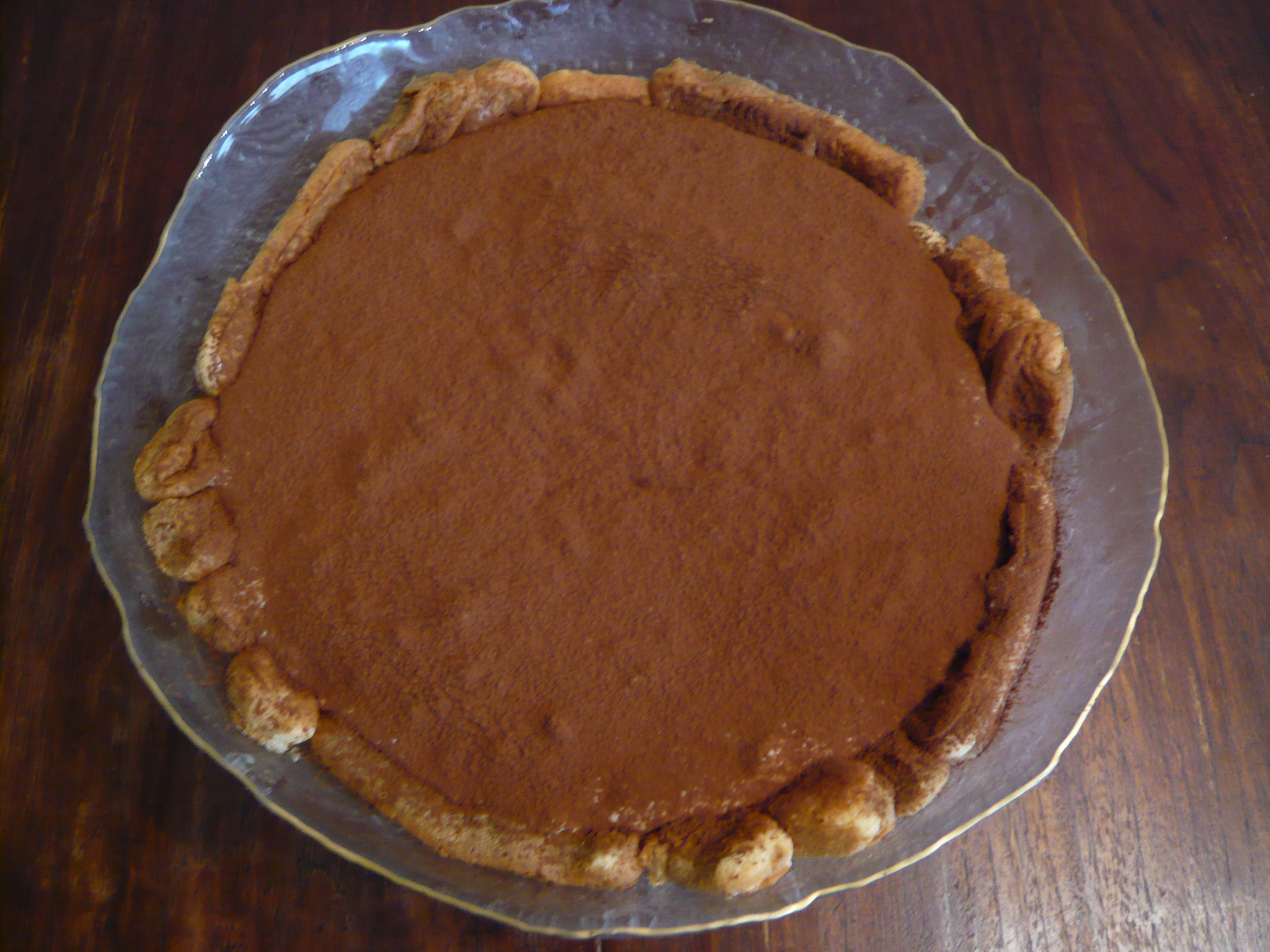
Over the years I have made many variations of tiramisu, some incredibily elaborate with multiple liquors, but my favorite is the one I share here. I use fresh eggs from my mother’s farm, but when I don’t have them I buy the best, organic brand I can find. Cooking the yolks is part of the trick, but carefully so that you don’t have scrambled eggs. I also use the raw whites. If you don’t want to use raw whites — skip that and just use the whipped heavy cream. But the whites make it so much lighter. A confession: my son developed an allergy to egg white and in looking back I blame my passion for tiramisu. When I was very pregnant with my son, and in the early months of breast-feeding him, I developed a craving for tiramisu and ate so much of it I am sure that’s the reason my poor little guy became allergic. Thankfully, he outgrew the allergy. In Italian tiramisu means cheer-me-up.
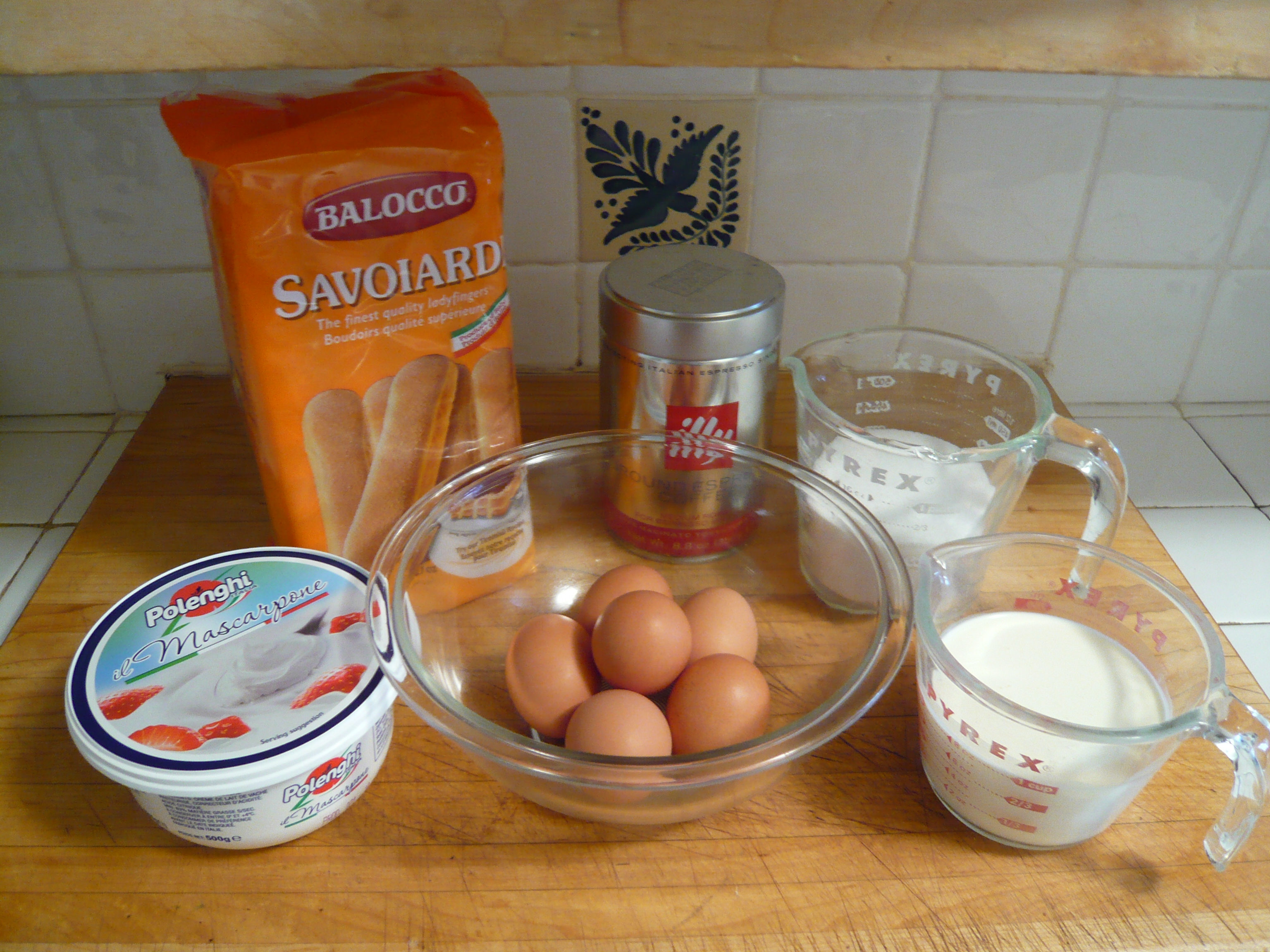
CLASSIC TIRAMISU
6 eggs, separated
1 1/4 cups sugar
1 pound mascarpone
1 cup heavy cream
2 (12 ounce) packages ladyfingers
lots of espresso (maybe as much as 2 cups)
unsweetened cocoa
Combine yolks and sugar in top of a double boiler, over boiling water.
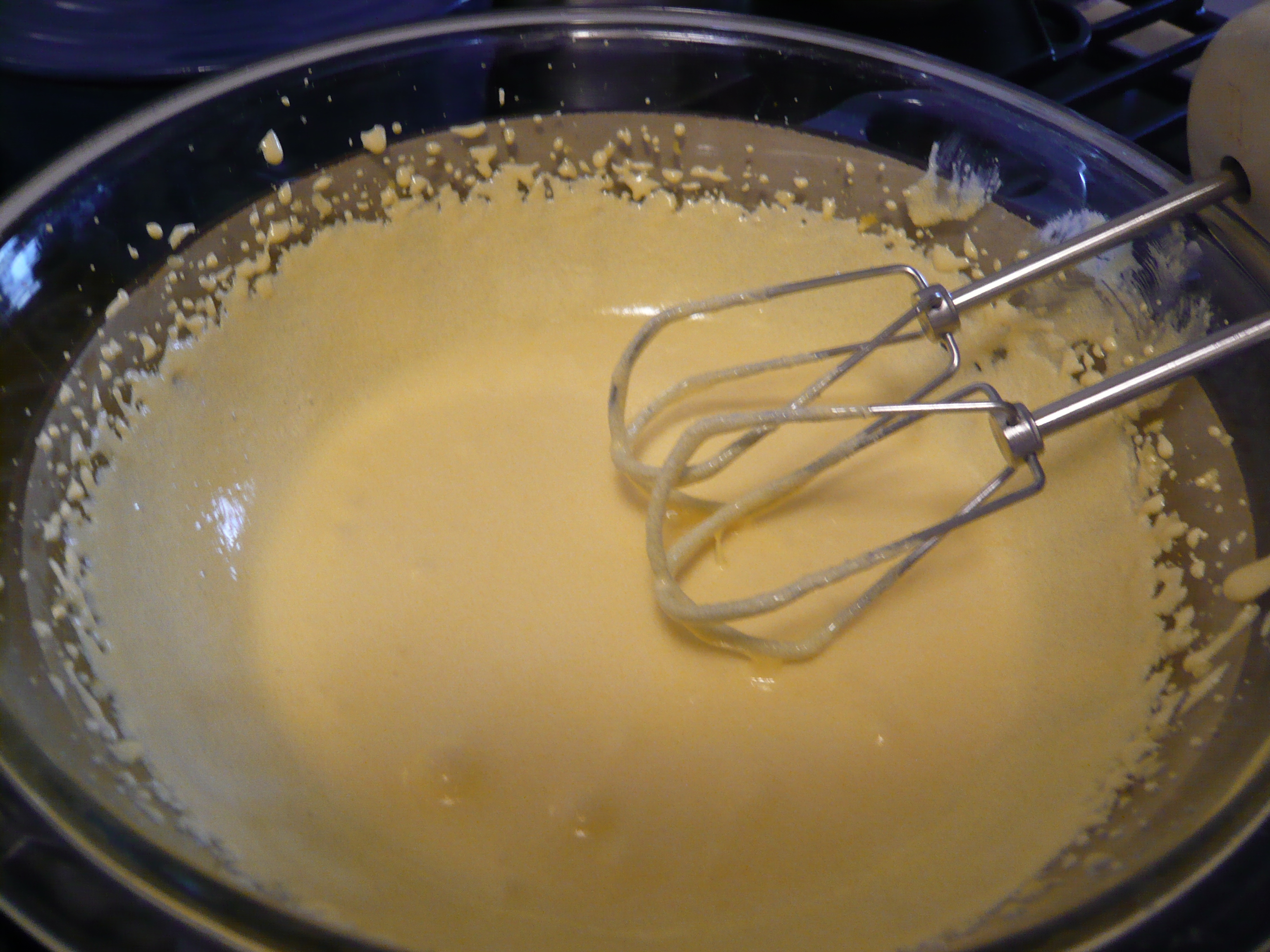
Turn off heat. Beat with a hand-held mixer for ten minutes until thick and lemon colored. Remove from double-boiler and add mascarpone.
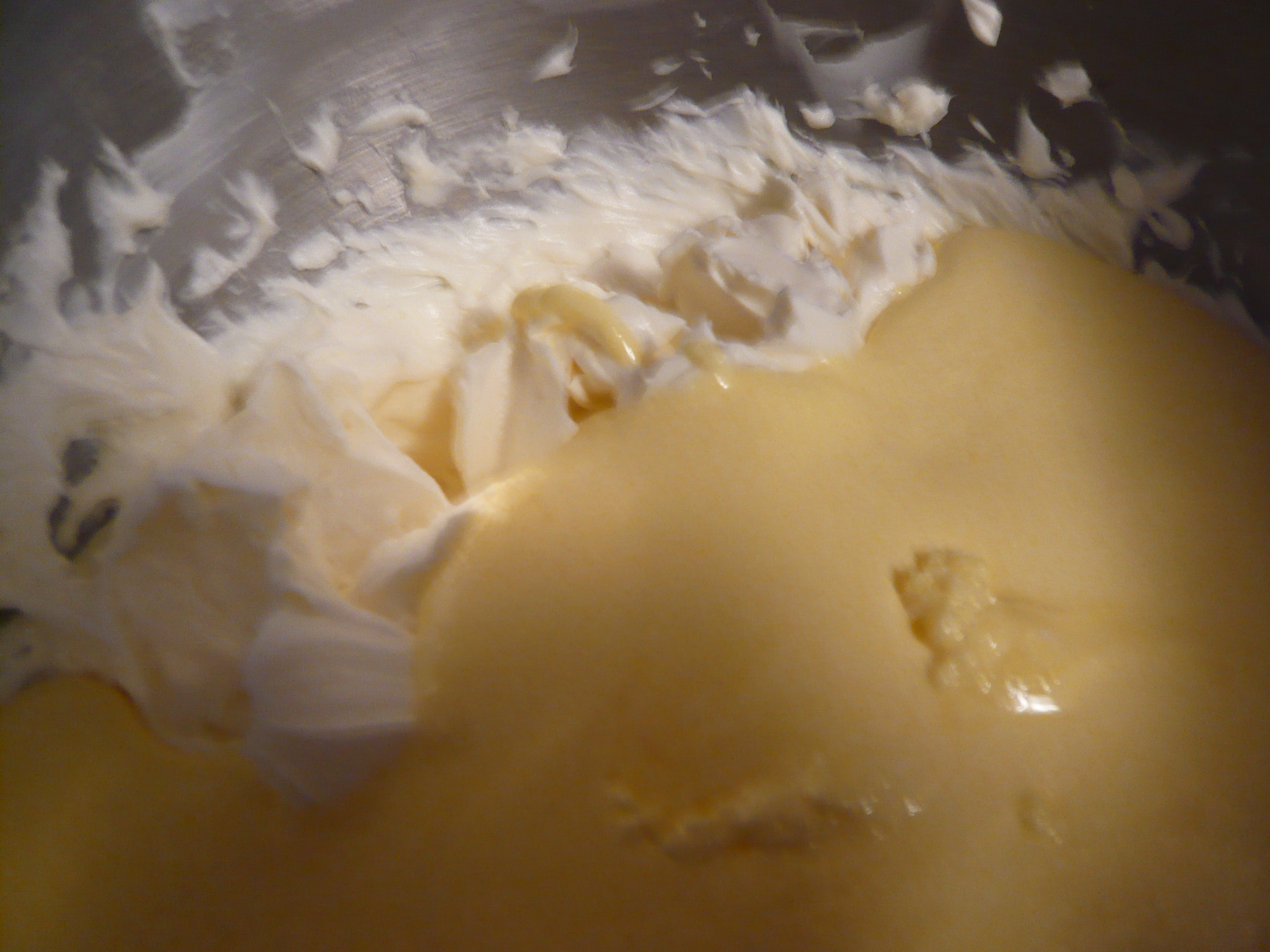
Beat until combined. In separate bowls, whip heavy cream and whip whites—separately. Gently fold together. Set aside in the refrigerator. Dip ladyfingers in espresso, saturating but don’t let the ladyfingers fall apart. I use a bowl, but many people use a flat glass baking dish. If using a bowl, arrange the ladyfingers so that they cover the interior of the bowl, up the sides.

Fill the bowl half way with the cream-yolk mixture.
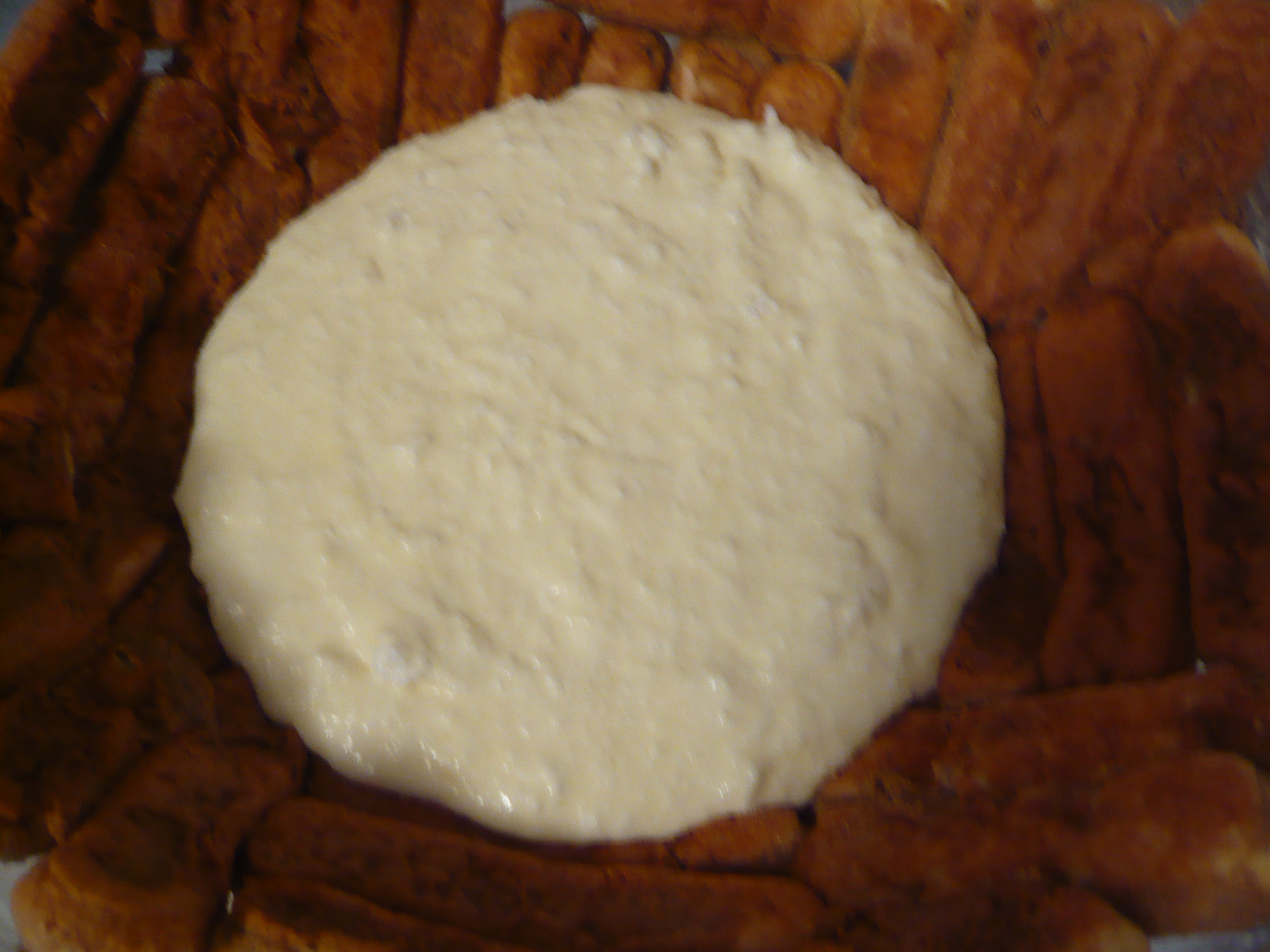
Dust cacao on top of the cream, then arrange a layer of ladyfingers so that they cover the cream. Then cover the ladyfingers with the remaining cream. Dust with cacao. Do this by putting the cacao powder into a sieve and shaking gently on top of the cream. If doing this in a glass baking dish, use an 8 by 10 size and arrange in two layers starting with ladyfingers, ending with cream. Dust with cacoa. Chill at least 6 hours.


I have always loved to cook. Since I was a young child, I found cooking to be an escape and I became good at it. Ordinary cooking, nothing too fancy. When I did terribly in school, when I was awkward and goofy with braces, when I got in trouble for doing something bad I could always find my confidence again by cooking. There were ten kids in my family and by the time I was eight I was cooking for them all. Chicken Kiev was a specialty, little balls of breast stuffed with butter and herbs. My darling daughter knows this passion of mine and so last summer after working for my mother in her photography studio for several weeks — running errands around Princeton, greeting customers, even assisting her with shoots — my daughter, Livia, took her earnings and bought tickets to Nora Efron’s movie, Julie and Julia, for herself, my mother, and me. She also bought for me Julie Powell’s book Julie and Julia and Julia Child’s My Life In France. Livia, at the time, was nine years old.
I had just finished a novel and was feeling empty, casting about. Livia somehow knew this, that I needed some inspiration. Alas, it took me about six months to get to, but when I finally did I was inspired indeed: clearly like the millions of people who have already read the book. What I love about My Life In France is the portrait of genius Child unwittingly creates of herself. Through her passion for cooking you understand vividly what it means to be a genius. Her obsession to understand, for example, how to make the baquette as the French do but in America with American ingredients leads Child on a two year adventure. She uses over 700 pounds of flour before she nails it. How many of us, no matter our trade, have that committment to precision, to what we love to do? Not many, I would guess — and perhaps that’s what separates us. And the other bit of beauty: her desire for knowledge, her fantastic curiosity color her life with happiness.
 |
April 10, 2010 | 3:30pmThe Center For Fiction and Read This | 17 E. 47th Street, NYCClick here to view full event |
Panel Discussion: Writing About Money, the Novelists: Jonathan Dee, Adam Haslett and MARTHA McPHEE
Man Against Man, Man Against Nature…How about Man Against the Federal Reserve? These critically acclaimed writers have recently penned novels set in the world of financial privilege and power. Dee (The Privileges), Haslett (Union Atlantic), and McPhee (Dear Money) talk with Lindgren (executive editor of Businessweek) about what they learned about money while writing about human nature. They will be joined by the financial reporters from the 2:30 p.m. Money Panel.


A Crossing
From them the dust and from them the storm,
and the smoke in the sky, and a rumble in the ground;
and from them the very sky seeming, from afar, parabolic;
from the curve or girth beyond the eye’s reach;
from/across/& through—
a beautiful level and fertile plain—
with soggy bottoms of slender allium
or nodding onion the size of musket ball,
white, crisp, well-flavored; from the high grass stretching
into tomorrow
the welcoming committee assembles & gathers—
each dark visage a massive escarpment
that stares out of bewilderment;
—from their river crossing, and from somewhere
inside the huff, hieratic ohm—
the beck-and-echo, returning call
of calves mothering-up; from the dark script
of the herd, frequently approaching more nearly
to discover what we are,
with/across/& to
the cataract of time:
this steady, animal regard,
this gaze of theirs, the size and scale of it,
so amassed,
arrests the men, who look them back
as they must/& do/& will—
from a bookcase, from a window sill.
From Empire Burlesque by Mark Svenvold
 MARTHA McPHEE