$$$Classic Novels About Money$$$


Dear Money, my new novel, has, as the title suggests, a lot to do with money.  I became interested in the topic as extreme wealth rose all around me in the heady days of mortgage-backed securities.  Money is a glorious and dirty topic and, it seems, everyone has something to say about it.  While writing the novel I looked to the Victorians for fun and inspiration, among others.  They were obsessed with money and used it as a lens through which to see the hypocrisy and foolishness of their society.  I tell my students that a writer writes and a writer reads.  These are the novels I was reading, all brilliant on money. 

The Bronte Sisters — to borrow from my sister, Jenny: “The Bronte sisters tackle the problem of money, what it does to you if you have it, what it does to you if you don’t.”

The Way We Live Now by Anthony Trollope.   I especially love the aging, matronly novelist, struggling with her desire for success and her income.  Her desperation. 

The Eustace Diamonds by Anthony Trollope 

Vanity Fair by William Makepeace Thackeray 

The Financier by Theodore Dreiser 

The Custom of the Country by Edith Wharton 

The House of Mirth by Edith Wharton 

The Great Gatsby.  Fitzgerald’s obsession with money lead to so much of his best writing.  (I borrowed the title Dear Money from him.  He discarded it.  “Where Do Titles Come From?” 

The Bonfire of the Vanities by Tom Wolfe.   (When I asked the bond trader who helped teach me about his world to recommend books, the first was Bonfire.  The others were Market Wizards: Interviews With Top Traders and Frank J. Fabrozzi’s The Handbook of Mortgage-Backed Securities — heavy lifting, definitely not a novel.) 

In my reading and thinking, I was most interested in the female characters of Lily Bart, Undine Spragg, Scarlett O’Hara (though I didn’t re-read Gone With The Wind), Becky Sharp.  I often wondered who those women would be today.  How would they have acted had they found themselves in the 21st Century? 

Novels about money that I haven’t yet read but want to read: 

New Grub Street by George Gissing which Jenny loved.  She says, “It is entirely about the terrible compromises a writer must make for the love of money.”  

Money by Martin Amis 

And now there are two new novels, published right now, for my list: 

The Privileges by Jonathan Dee 

Union Atlantic by Adam Haslett 

Please add to the list.

Add to FacebookAdd to DiggAdd to Del.icio.usAdd to StumbleuponAdd to RedditAdd to BlinklistAdd to TwitterAdd to TechnoratiAdd to Yahoo BuzzAdd to Newsvine

Excellent Advice: Edith Wharton On Dialogue

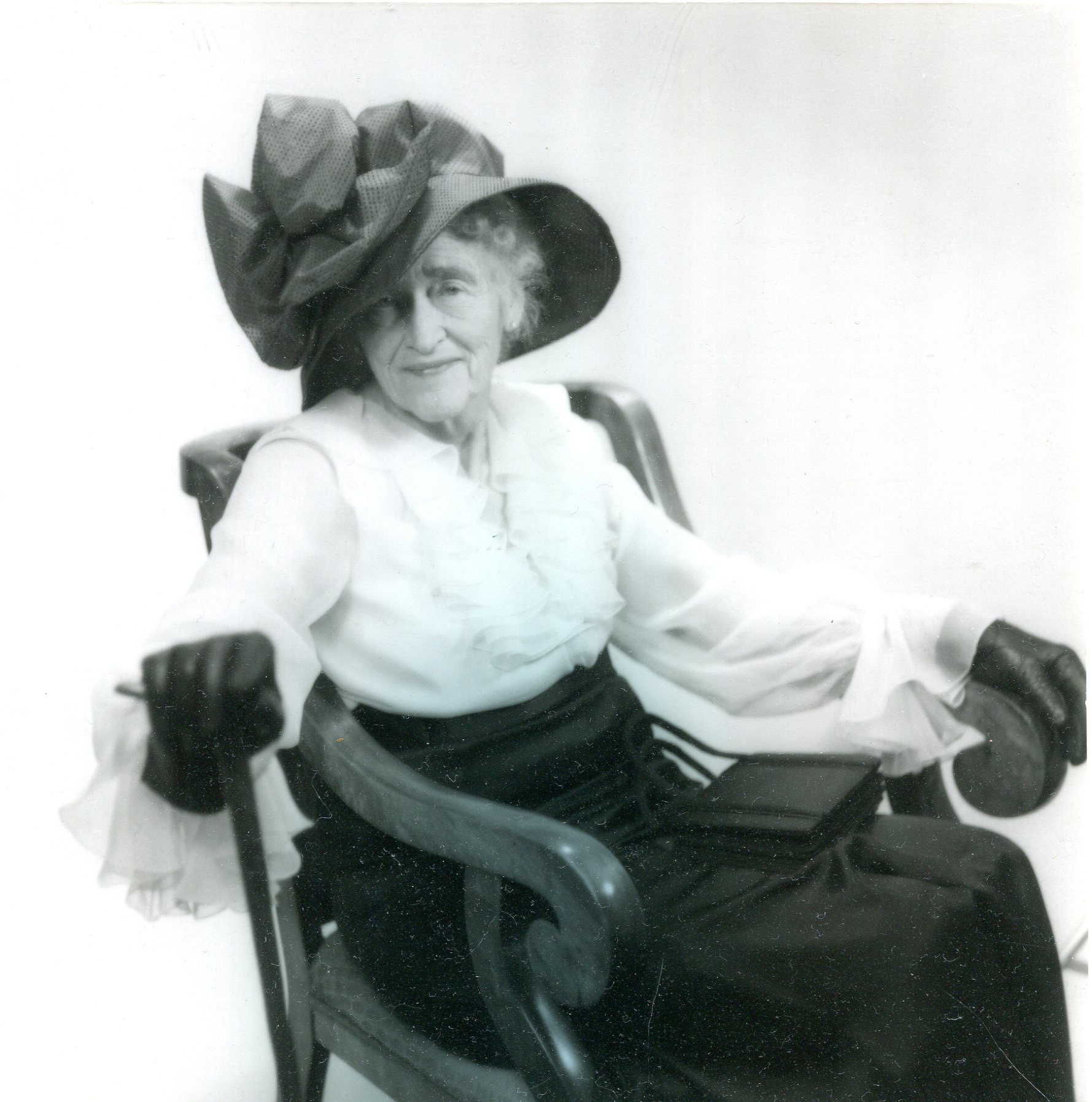
This is not Edith Wharton, of course, but I always think of Wharton when I admire this picture of my grandmother.  My grandmother aspired to looking like an Edith Wharton character.  Better yet, Edith Wharton.  She dressed up specially (note, in addition to the fantastic hat and blouse, the leather driving gloves and pocketbook) and had my mother take the picture. 
In the past month my students have been going crazy with dialogue in their stories.  Here is some advice from Wharton for us all:
“…dialogue, that precious adjunct, should never be more than an adjunct, and one to be used as skillfully and sparingly as the drop of condiment which flavours a whole dish.
“The use of dialogue in fiction seems to be one of the few things about which a fairly definite rule may be laid down.  It should be reserved for the culminating moments, and regarded as the spray into which the great wave of narrative breaks in curving toward the watcher on the shore.”
From The Writing of Fiction by Edith Wharton.

Add to FacebookAdd to DiggAdd to Del.icio.usAdd to StumbleuponAdd to RedditAdd to BlinklistAdd to TwitterAdd to TechnoratiAdd to Yahoo BuzzAdd to Newsvine

My Valentine


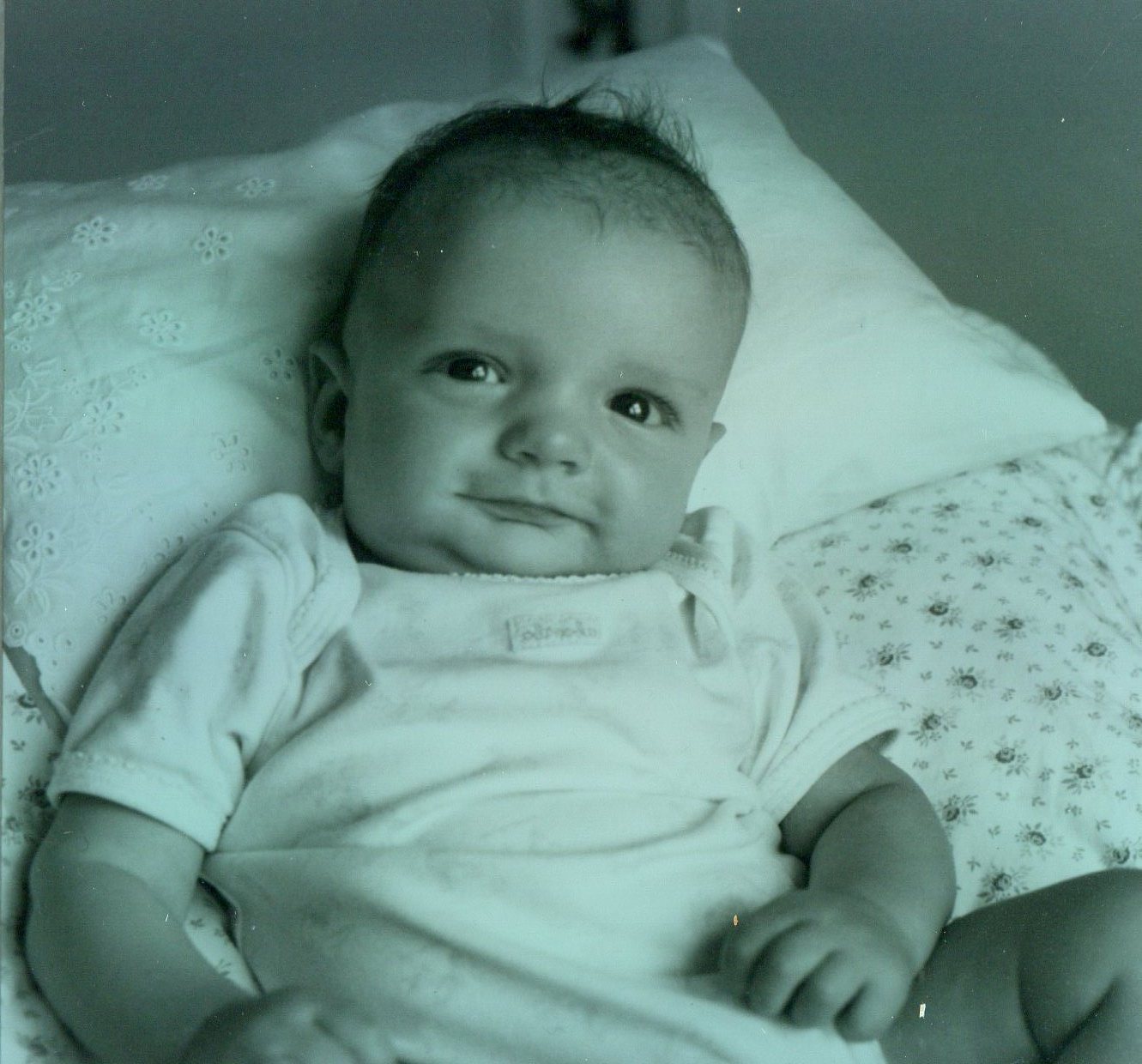
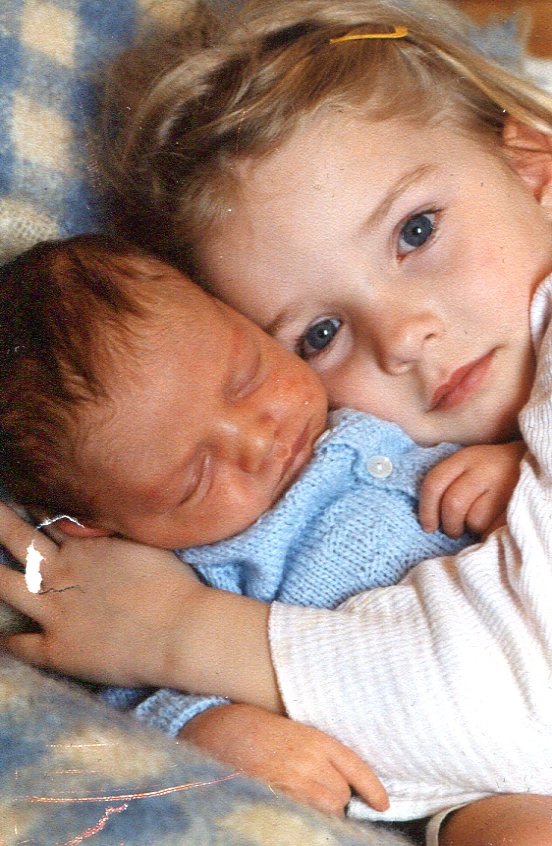
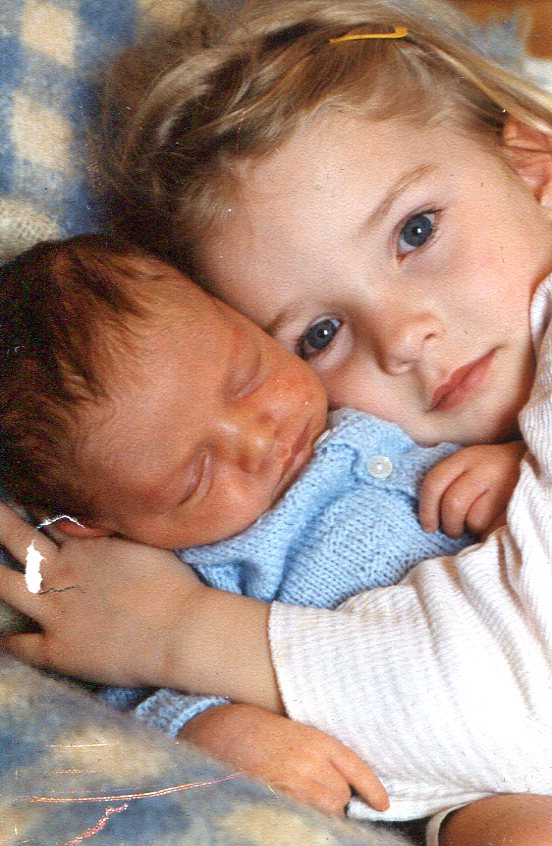
Jasper’s due date was my daughter’s birthday.  She was turning four that year and I worried that she’d feel neglected if Jasper arrived on her day.  A friend suggested I throw Livia a big party a few weeks before.  I chose Valentine’s Day.  I invited all her friends and all their parents and made an enormous feast and decorated the apartment and ordered a ridiculously expensive cake.  Jasper’s arrival would not steal from her.  The night before the party, having just finished the last preparations, I lay down.  My mother, who was coming to help, called to say she was stuck in traffic at the Lincoln Tunnel.  I told her not to worry, that I was in good shape for the party.  Just then I felt an enormous gush of water.  “I think my water just broke,” I said to my mother.  Indeed it had.  Jasper was born the next day, Valentine’s Day.  And, of course, Livia didn’t care.  And now 6 years later this is Jasper’s favorite story.  He asks me to repeat it all the time.  We have told him he couldn’t wait, he wanted to be at the party, that he likes to be right in the middle of everything—where the action is.  “I love to be in the middle of everything,” he says.  My love, my Valentine for life.

Add to FacebookAdd to DiggAdd to Del.icio.usAdd to StumbleuponAdd to RedditAdd to BlinklistAdd to TwitterAdd to TechnoratiAdd to Yahoo BuzzAdd to Newsvine

Travel Is the Most Important Form Of Education

Don’t forget Haiti

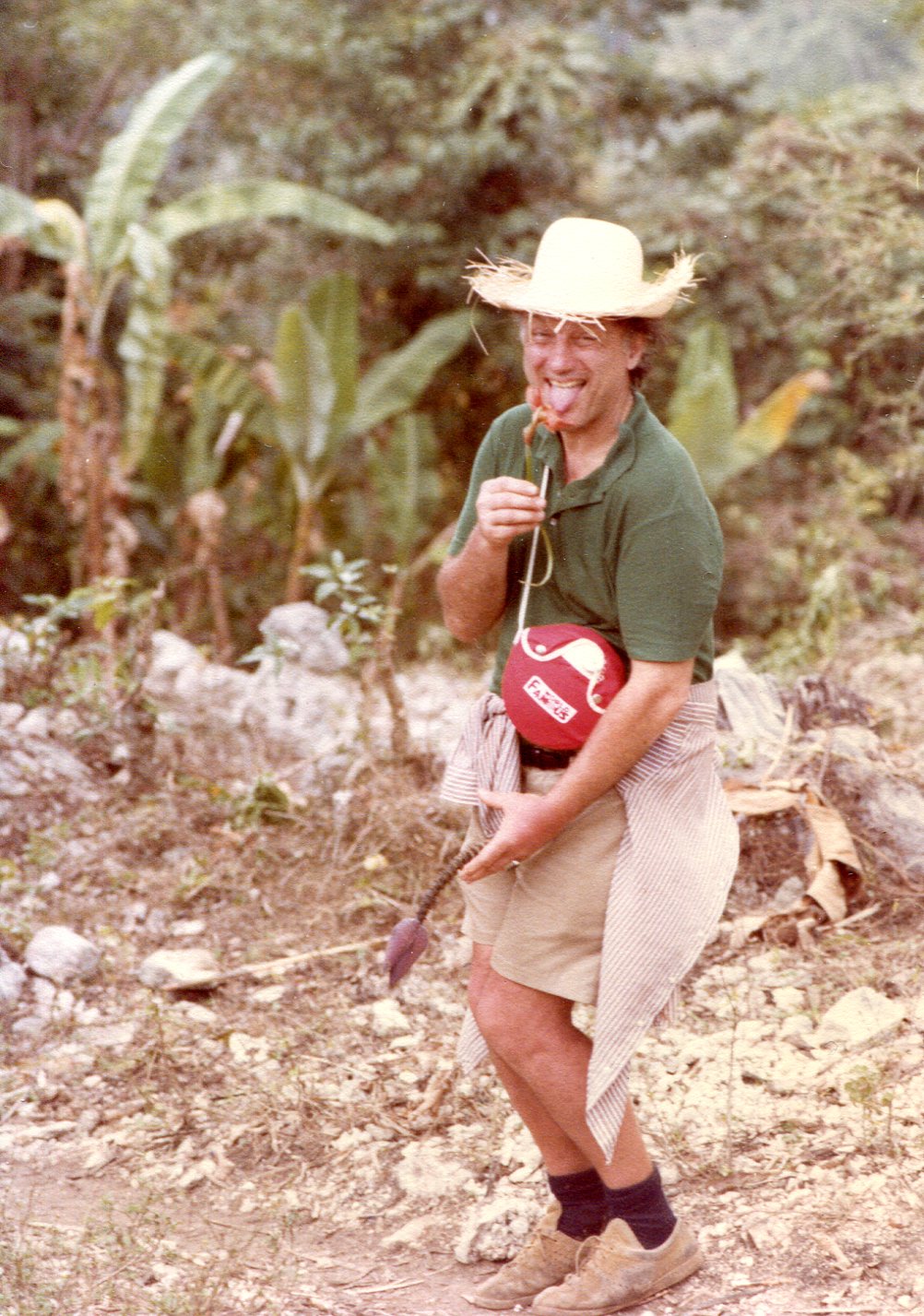
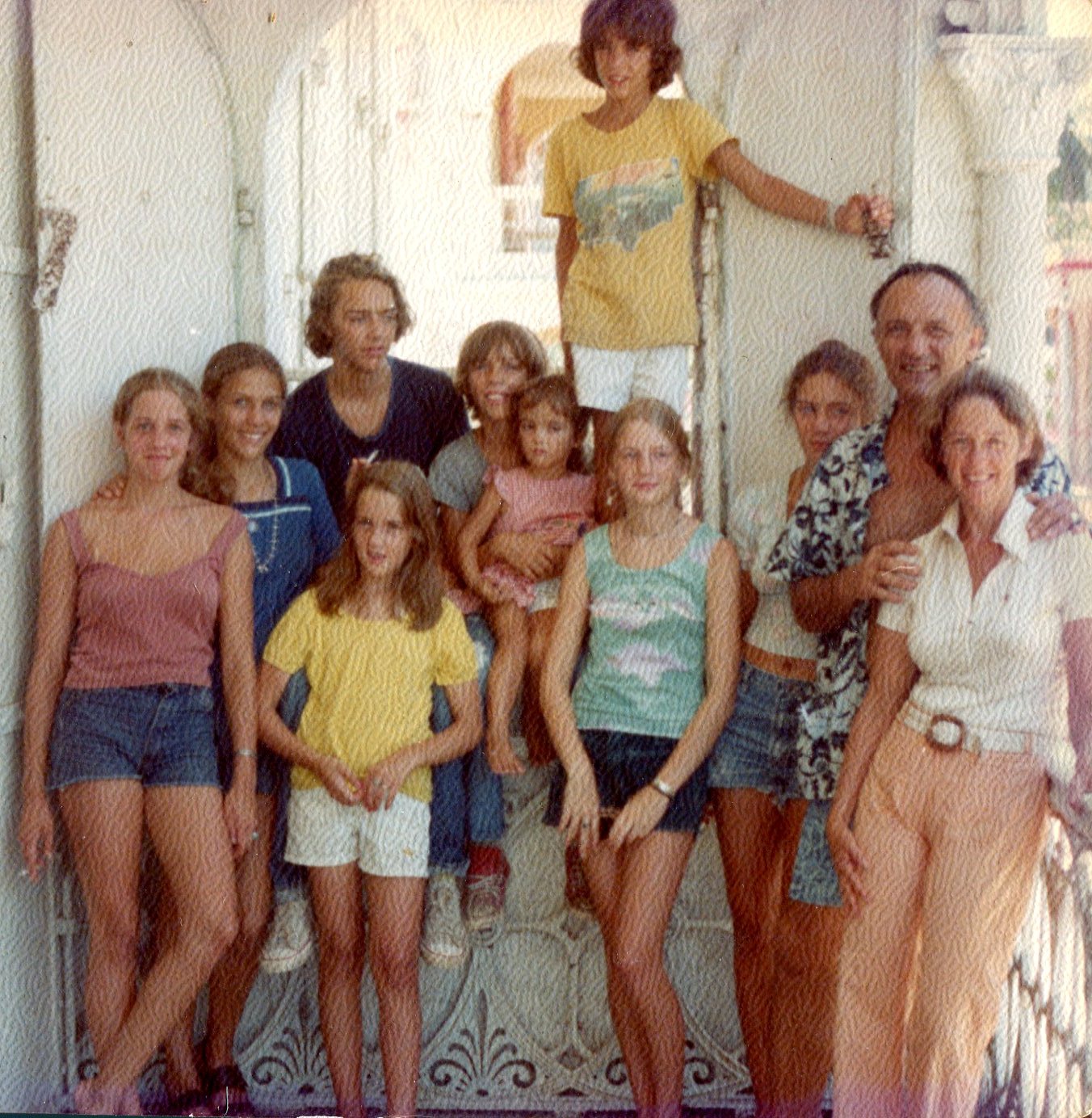
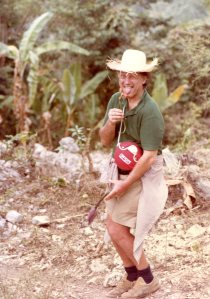
We went to Haiti when I was twelve years old. My stepfather, Dan, believed his kids should know the world, that traveling was the most important form education. If it had been up to him we wouldn’t have gone to school. Rather we would have traversed the globe. We went to Haiti because he loved it.  He had been both divorced and then remarried (to my mother) there. Their honeymoon was a hike from Kenscoff to Marigot through the mountains.  It was unclear if the divorce and the marriage were recognized in the States, but they were recognized by Dan and in turn by us, his ten children, so the rest didn’t really matter.

My mother and Dan on their honeymoon
We went for the month of August and stayed in Port-au-Prince at the Oloffson Hotel.  The older kids read The Comedians, all of us learned about Graham Greene.
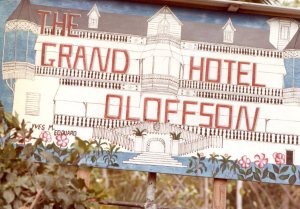
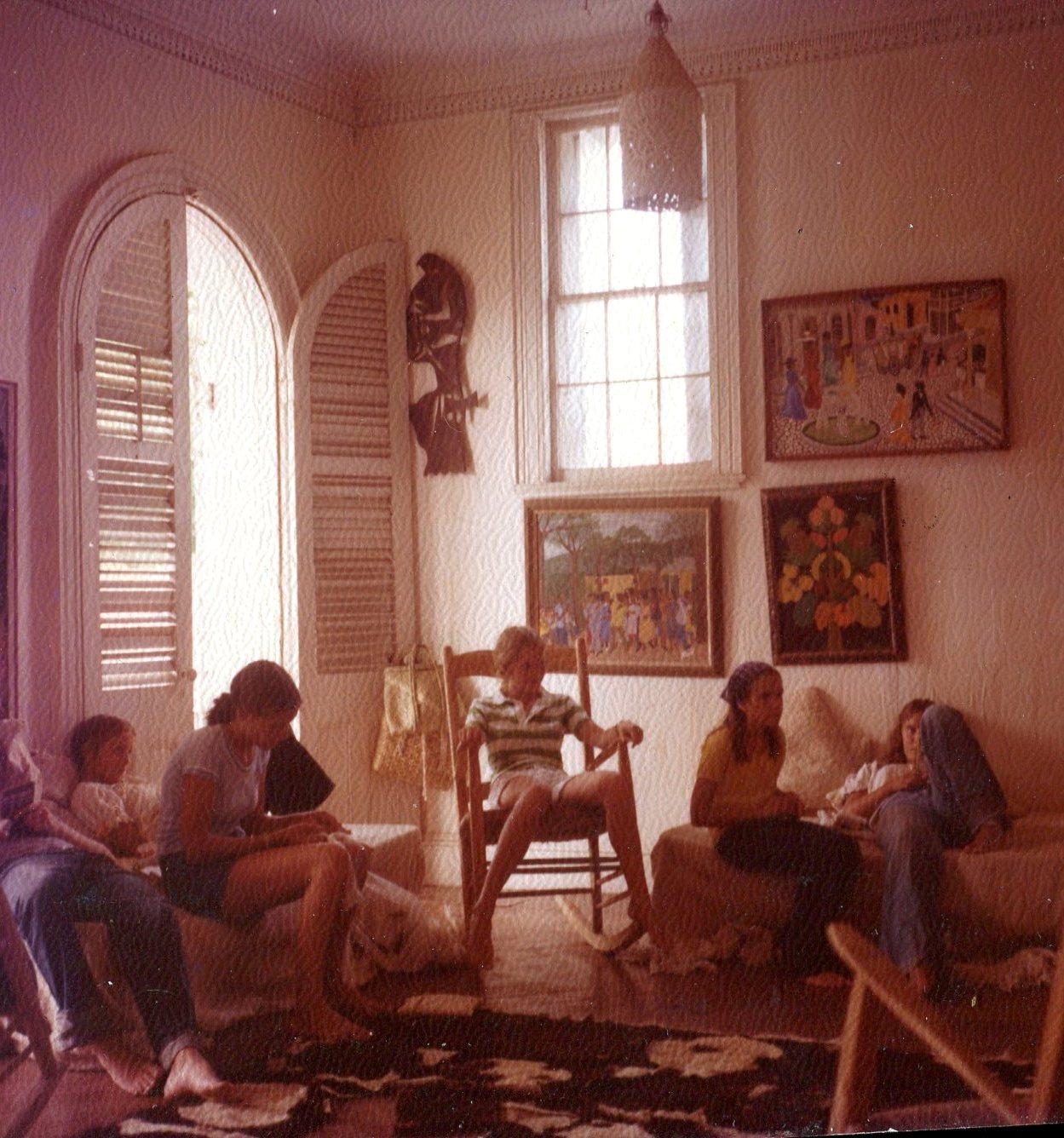
After a few days, we went to Jacmel, piling into a painted truck with wobbly wheels.  It carried us over a mountain pass on a road that the French were constructing but that wasn’t quite finished.  We were warned it was too dangerous and that we shouldn’t attempt it.  Dan disagreed.  Huge ruts, potholes the size of ponds, hairpin turns, sheer drops, no guard rails — no matter.  Somehow we’d manage.  Dan believed in the impossible always being possible.  In the middle of the night we had to give up and retreat, back to Port-au-Prince.  The next day we boarded a tiny plane and flew to Jacmel, landing on a grass runway.  We stayed in a French colonial house with filigree balconies overlooking the sea.   It was owned by Selden Rodman, an art dealer famous for bringing Haitian art to the white world.  The ground floor of the house was an art gallery.

Many of us on the Jacmel Veranda

Haitian art was everywhere.  And Dan seemed to buy up a good amount of it with money he didn’t have, borrowed from friends and his wealthy first wife: colorful paintings, steel drums flattened and carved into trees and birds and flowers, wood panels describing the Madonna breast-feeding baby Jesus, a pair of lovers.  Dan’s idea, you see, was to open a Haitian art  gallery himself, in New Hope, Pennsylvania not far from our home.
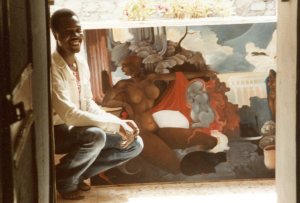
I remember a dinner in Port-au-Prince with local artists high up in hills above the city in a beautiful home.  Names cast about: Gorgue and Gerard Paul and Andre Pierre and Jerome Polycarpe and Audes Saul and Hyppolite and S.E. Bottex — some living, some dead: all possessing a mystery in their art that Rodman described as the crystallization of joy.  I remember the crates holding the art that we transported home.
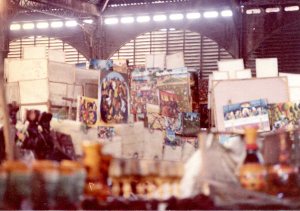
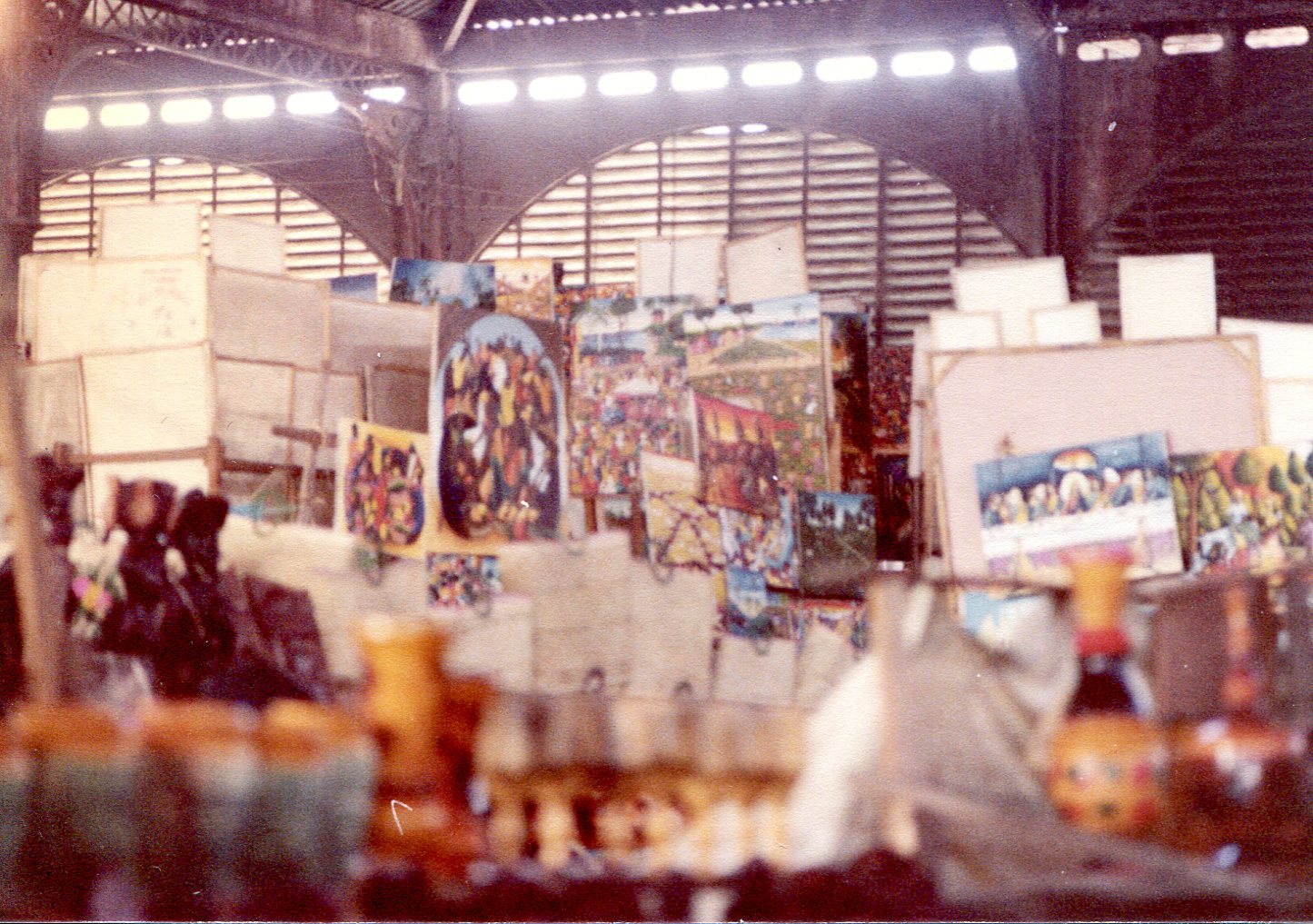
I remember visiting art markets, all of us allowed to choose our own painting.

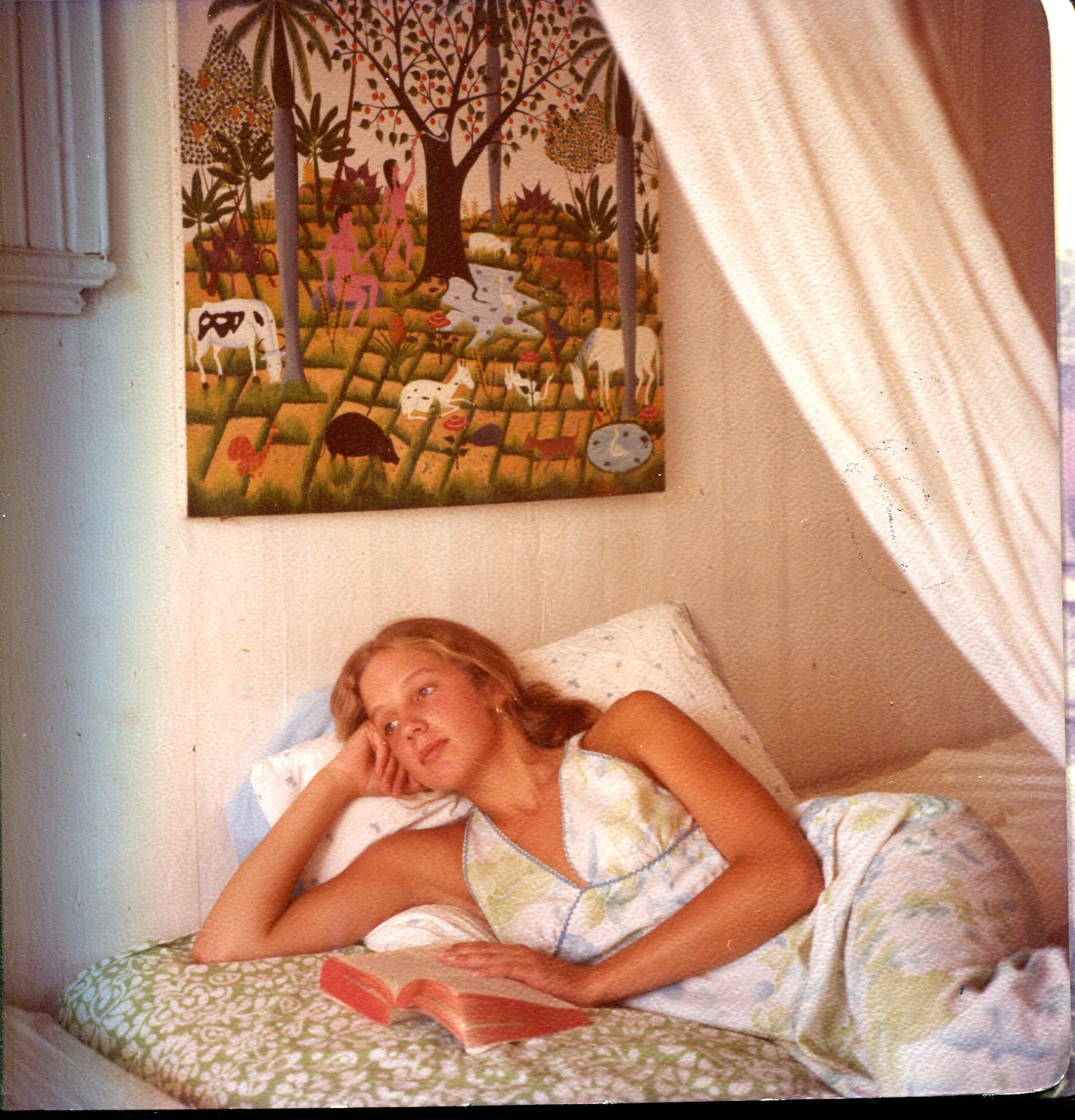
Sarah chose an extra one, of Eve plucking the apple from the tree while Adam watched.  She paid for it herself.  The artist was  famous, named Cherisme.  Even at 16 she had an impeccable eye.

Sarah with her Cherisme in Jacmel

The art was stored in our home, is to this day — hanging on all the walls.  The wood carvings, the paintings of Virgin Marys and funeral processions and bright peach-colored flamingos and fish and turkeys, an enormous blue crab,  and women carrying baskets of fruit, water in buckets on their heads,  of a whole village of people praying outside a church, of festivals, of voodoo ceremonies presided over by voodoo priests, jungle scenes.  A screen with blue owls, the repetition making the familiar bird a comforting abstraction.  The gallery is now long gone, my stepfather dead.  My mother, strapped for cash a few years ago, was told to sell her collection of Haitian art.  She refused.  “I love it,” she said.  “I will not ever let it go.”

But I digress.  It was an education Dan, and my mother, wanted to give to us.  They wanted us to understand what the world was, that it was much more complicated than the small and safe circumference of our comfortable (if exotic hippie) life in Ringoes, New Jersey.  On the streets of Haiti I began to see a world that I had not known before, a world that began to open up my twelve-year-old eyes. I saw people who had walked for miles to sell their food at the market.  I saw people disfigured by disease.  I saw small children with distended bellies.  I saw an old woman die in the road.  I saw soldiers with AK47s and learned of the TonTon Macoutes and of Papa Doc and Baby Doc Duvalier.  I began to understand that governments weren’t all the same and that people worked hard and starved anyway.  I was told that because the French were defeated by the Haitians so long before, the United States directly benefited, bought a large chunk of the south (the Louisiana Purchase) for next to nothing, pennies per acre, from the French for whom it no longer served.  In short, I began to understand that nothing swims isolated and alone in the universe. I landed in the middle of a crazy, beautiful jungle — a world that felt so very far removed from my own, totally unique. But by pulling on a string one could also find a through-line linking Africa and Louisiana and somehow even me.

Dan and my mother wanted us to understand something that is a rare commodity these days — they wanted us to appreciate complexity.  They wanted us to know that we are not all the same — know that there is nuance and struggle and tremendous beauty (the falls at Bassins Bleus that you can only get to on horseback — along a palm fringed beach, up jagged switch -backs in a mountain pass), that the world thinks many different things, people live many different ways — some because they can, others because they must.  And it was their belief that if we understood this, that our minds would begin to seek complexity and even begin to suspect or distrust simple, reductive views of the world, as compelling as simplicity can be.  Travel taught me that our culture, with all it has to offer, all its power and possibility and privilege, is but one small and limited portal on the truth of life’s vast and horrifying and marvelous spectrum.

I won’t forget Haiti.
Add to FacebookAdd to DiggAdd to Del.icio.usAdd to StumbleuponAdd to RedditAdd to BlinklistAdd to TwitterAdd to TechnoratiAdd to Yahoo BuzzAdd to Newsvine

Rocco, Attention-Loving Hamster


Rocco
I got five As in my school report card so
My mom bought me a hamster.
I called him Rocco
Because that is what my mom
Called me before I was born.
Rocco was attention-loving like
My great grand-mother grammy
Who sadly I never knew.
He did acrobatics on the bars of his cage
And ran so fast on his yellow wheel.
But he ate too much and became obese.
He stopped running
Got lazy.
One day he didn’t move anymore.
Sadly, he died.
My mother and I and my brother
Buried him in our back yard
Where sometimes when I am playing
I will stop and think
What a great hamster he was.

By Leandro McPhee, age 9 — my nephew
A real story

Add to FacebookAdd to DiggAdd to Del.icio.usAdd to StumbleuponAdd to RedditAdd to BlinklistAdd to TwitterAdd to TechnoratiAdd to Yahoo BuzzAdd to Newsvine

Find A Penny

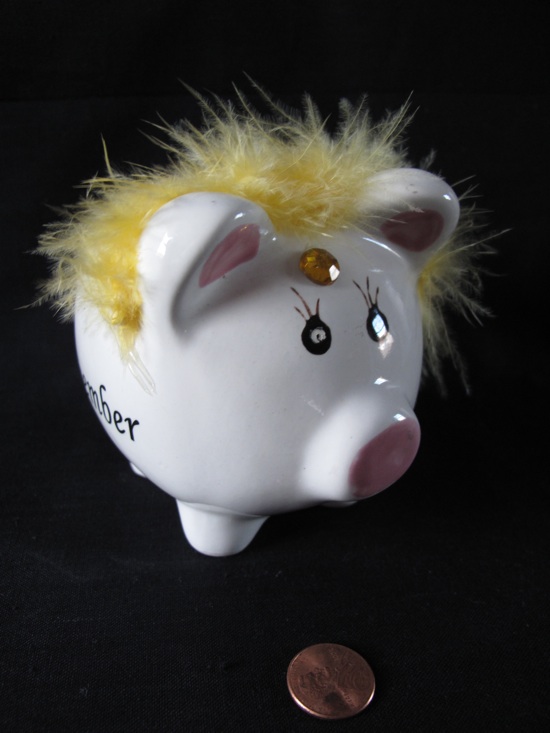
As part of Rob Walker’s Significant Object project, click on the links to find out more and to see how bidding on ebay for this charming piggy (with story—by me—attached) can benefit 826national a program which tutors youth in creative and expository writing. 

My grandmother gave me the piggy bank when I was four, for Christmas, wrapped in a box with bows.  She said, “A penny saved is a penny earned.”  She said, “Find a penny pick it up, all day long you’ll have good luck.”  She wore a beehive of blue hair, had piercing green eyes, dressed in expensive-seeming clothes.  “A lady of quality,” she said.  She sold Avon door to door and from the living room of her two-bedroom ranch on Lover’s Lane in Heather, Illinois.  Her house smelled like honeysuckle.   More on ebay

Add to FacebookAdd to DiggAdd to Del.icio.usAdd to StumbleuponAdd to RedditAdd to BlinklistAdd to TwitterAdd to TechnoratiAdd to Yahoo BuzzAdd to Newsvine

The Book Tour

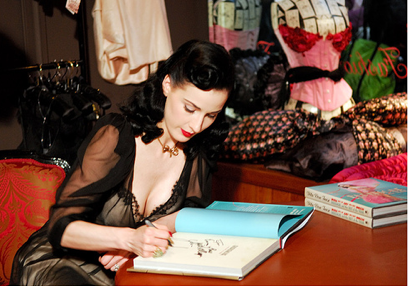
THE BOOK TOUR.  We’ve all heard about them: the author reading for an audience of three, two, one, none.  You fly across the country to San Francisco, feeling important.  You are chauffeured to the bookstore, attended by a literary escort.  Signs all over the store announce your event at 7 P.M.  A voice comes over the intercom: You’ll find India Palmer in the children’s section.  She’ll be reading from her new book, Generation of Fire, and signing copies.  Five minutes till show time. There, squeezed into the children’s section, between rows of Mazy and Olivia and Lilo and Stitch and Goodnight Moon, are a couple of dozen chairs in front of which stands a microphone and a table with your books neatly stacked, several standing prominently on display.

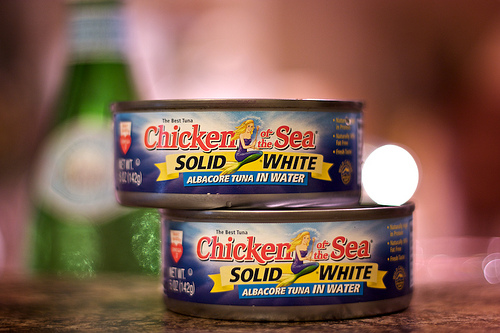
In the back row sits one old lady. It took six years to write Generation of Fire! Oh well, you think gamely, the show must go on.  You notice the old lady is unwrapping something from a paper bag.  She takes out a small tin and rests it in her gnarled, arthritic hand, and with her other hand she pries off the lid.  Her hair is long and white and unbrushed.  The can she has opened, you realize, though she is a good many rows removed from you, is tuna fish.  The oily smell wafts toward you.  She proceeds to eat it with a plastic fork pulled from the folds of her dress.

Onward!  You read for her.  With all the emotion you can muster.  There is someone else in the audience: a young girl, who arrives late.  When you’re finished, she raises her hand earnestly.  “Yes?” you ask.  Her eyes are bright and her skin is aglow with teenage youth.  She has an athletic build and an innocence that makes you ache for her.  “I have an assignment I need to do for my English class,” she says.  “I’m supposed to interview an author.  Can I interview you?”

From Chapter Nine of  Dear Money

Click here to read more.

Pre-order today

Add to FacebookAdd to DiggAdd to Del.icio.usAdd to StumbleuponAdd to RedditAdd to BlinklistAdd to TwitterAdd to TechnoratiAdd to Yahoo BuzzAdd to Newsvine