Shaping The Story

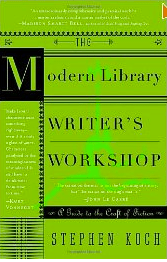
From Stephen Koch’s wonderful and very useful Writer’s Workshop.  He was a professor of mine at Columbia University.


“In Chapter 1, we pointed out that the Latin root of the word invent means “to discover.”  Writers do not make up stories. They find them.  They uncover them; they discover them.  Sometimes they find them in the real world.  Sometimes they find them in the depths of their imaginations.  In either case, they invent stories by finding them and, conversely, they find those very same stories by inventing them.  Which comes first?  That’s the elusive part—the interplay between making it up and digging it up.  Your imagination will not always know the difference.”


I find it incredibly helpful to remember and remind myself that stories don’t come out of thin air, that they are discovered. Koch’s book is enormously insightful.  I recommend it to all writers and teachers of creative writing.


Add to FacebookAdd to DiggAdd to Del.icio.usAdd to StumbleuponAdd to RedditAdd to BlinklistAdd to TwitterAdd to TechnoratiAdd to Yahoo BuzzAdd to Newsvine

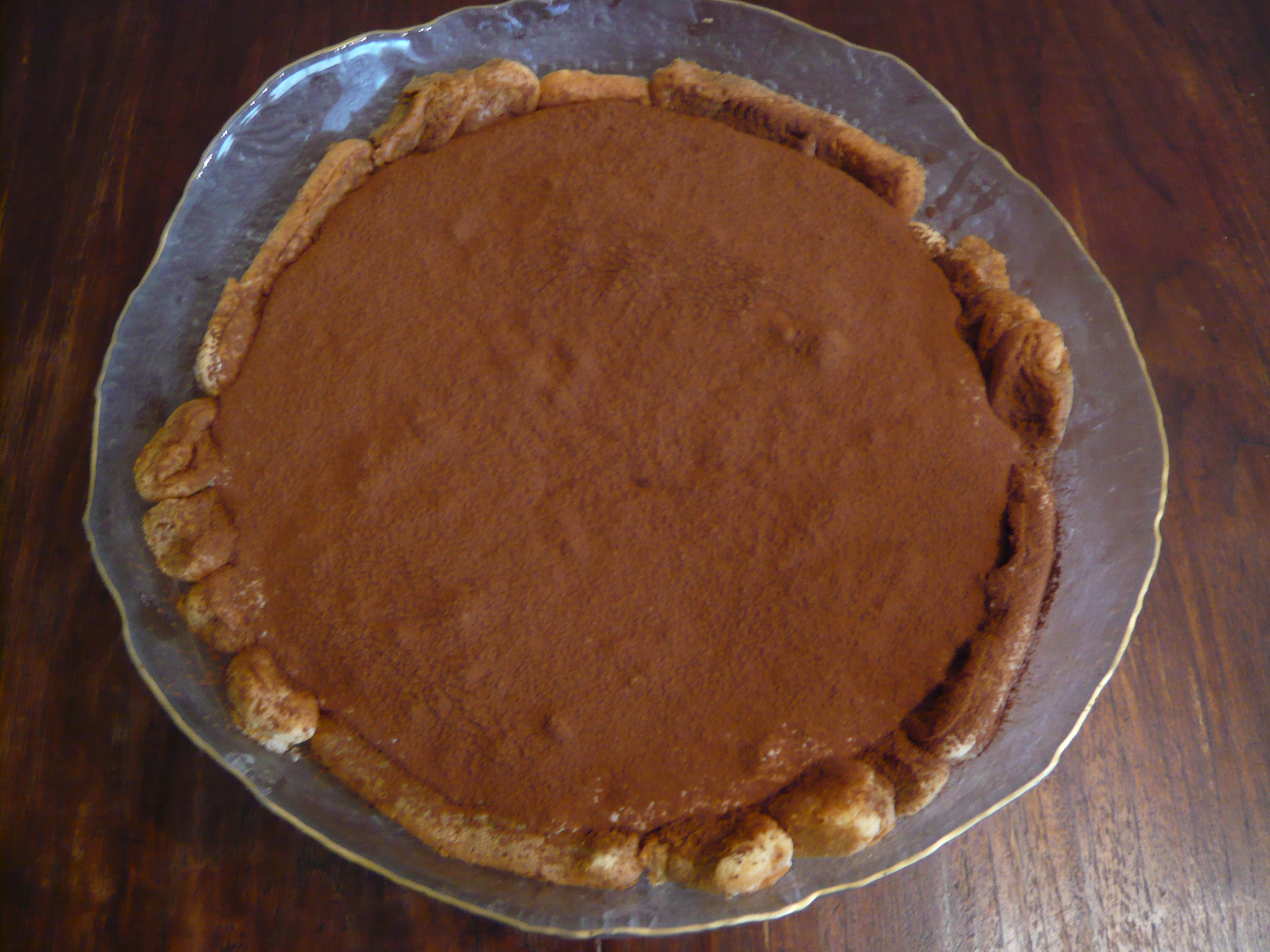
Classic Tiramisu: Revised


This summer, in Idaho, with my brother-in-law’s brother, Michele Passaleva from Florence, I learned that my classic tiramisu recipe was more complicated than it needed to be.  He taught me an even better method: his wife, Stefania’s.

Stefania’s Tiramisu

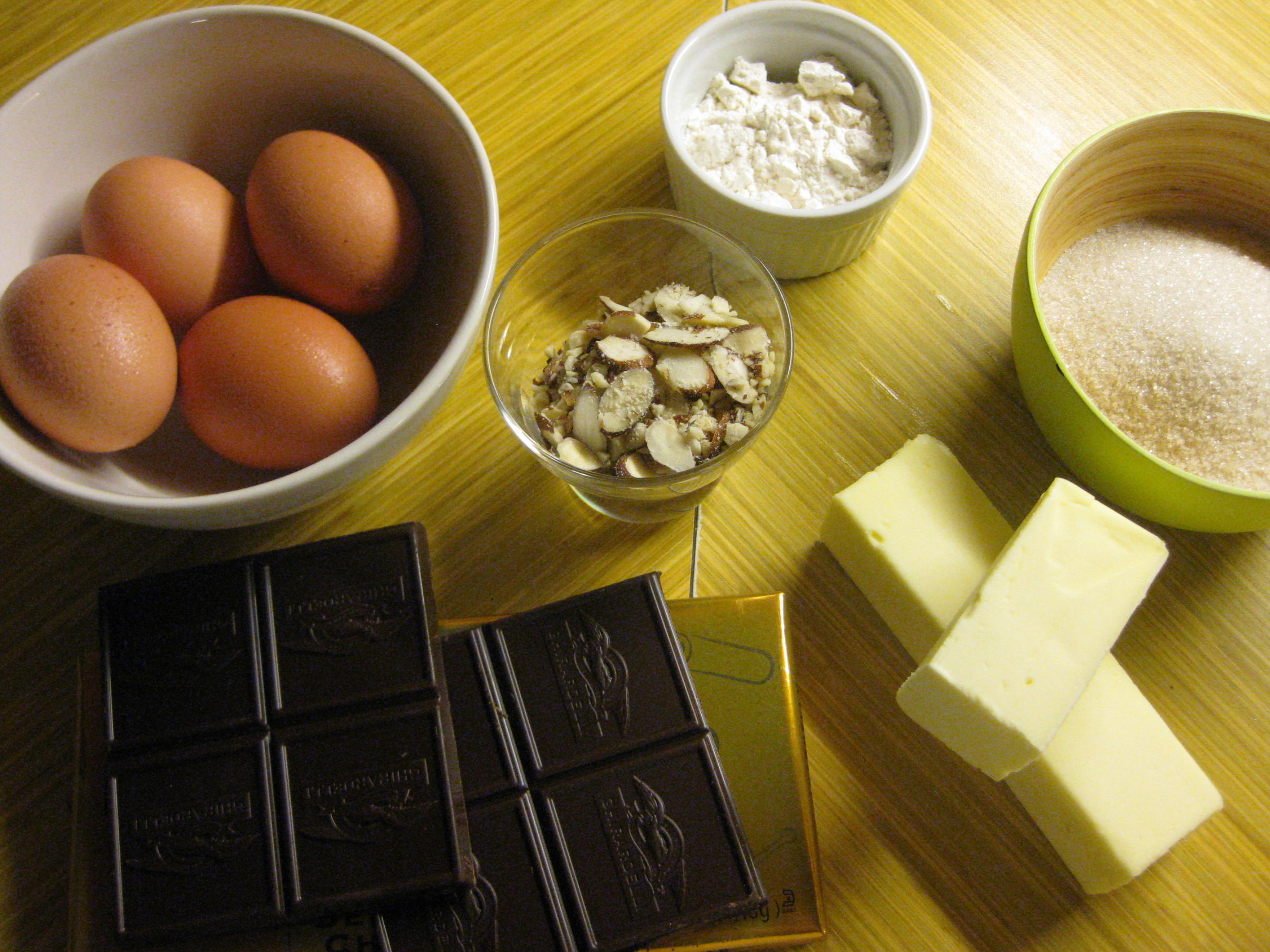
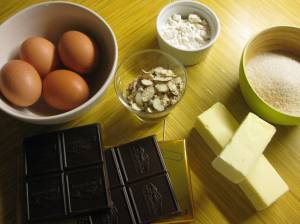
5 eggs, separated

5 big spoonfuls of white sugar

500 grams of Mascarpone

enough lady fingers (2 packages)

espresso for dipping the lady fingers (3/4 cup)

semi-sweet chocolate for grating (1 bar)

Combine the yolks and sugar and beat with a whisk until creamy and smooth and gorgeous.  Add the mascarpone and continue to stir until light and lovely.  In a mixer, whip the whites until stiff.  Fold into the yolks.  In a bowl place lady fingers in rows after lightly dipping in espresso.  Cover with mascarpone mixture, grate chocolate. Repeat as many times as the mascarpone mixture will allow (usually around 4 layers).  Dust the top with shaved chocolate.  Chill for 6 hours.  Know that it is always best on the second day. Serves 6-8.

Cook’s note:

1) This recipe can easily be doubled.

2) In America, with egg recalls, many people are skittish about using raw egg.  For an authentic tiramisu there is no way around it.  Whipped cream makes it too heavy.  Cooking the yolks in the top of a double-boiler (as I instruct in my previous recipe) doesn’t get hot enough to cook them and there are still the whites, which give air and lightness to the dessert, to contend with.  I happen to use eggs from my mother’s chickens.  In Idaho, without her eggs, we bought the most organic brand we could find.  And this was in the middle of the egg recall.

Add to FacebookAdd to DiggAdd to Del.icio.usAdd to StumbleuponAdd to RedditAdd to BlinklistAdd to TwitterAdd to TechnoratiAdd to Yahoo BuzzAdd to Newsvine

E. M. Forster On Plot

“Let us define plot.  We have defined a story as a narrative of events arranged in their time-sequence.  A plot is also a narrative of events, the emphasis falling on causality.  “The king died, and then the queen died” is a story.  “The king died, and then the queen died of grief” is a plot.  The time-sequence is preserved, but the sense of causality overshadows it.  Or again: “The queen died, no one knew why, until it was discovered that it was through grief at the death of the king.”  This is a plot with a mystery in it, a form capable of high development.  It suspends the time-sequence, it moves as far away from the story as its limitations will allow.  Consider the death of the queen.  If it is in a story we say “and then?”  If it is in a plot we ask “why?”  That is the fundamental difference between these two aspects of the novel.  A plot cannot be told to a gaping audience of cave-men or to a tyrannical sultan or to their modern descendant the movie-piblic.  They can only be kept awake by “and then—and then—”  They can only supply curiosity.  But a plot demands intelligence and memory also.  — E. M. Forster, from Aspects of the Novel


Add to FacebookAdd to DiggAdd to Del.icio.usAdd to StumbleuponAdd to RedditAdd to BlinklistAdd to TwitterAdd to TechnoratiAdd to Yahoo BuzzAdd to Newsvine

Measuring

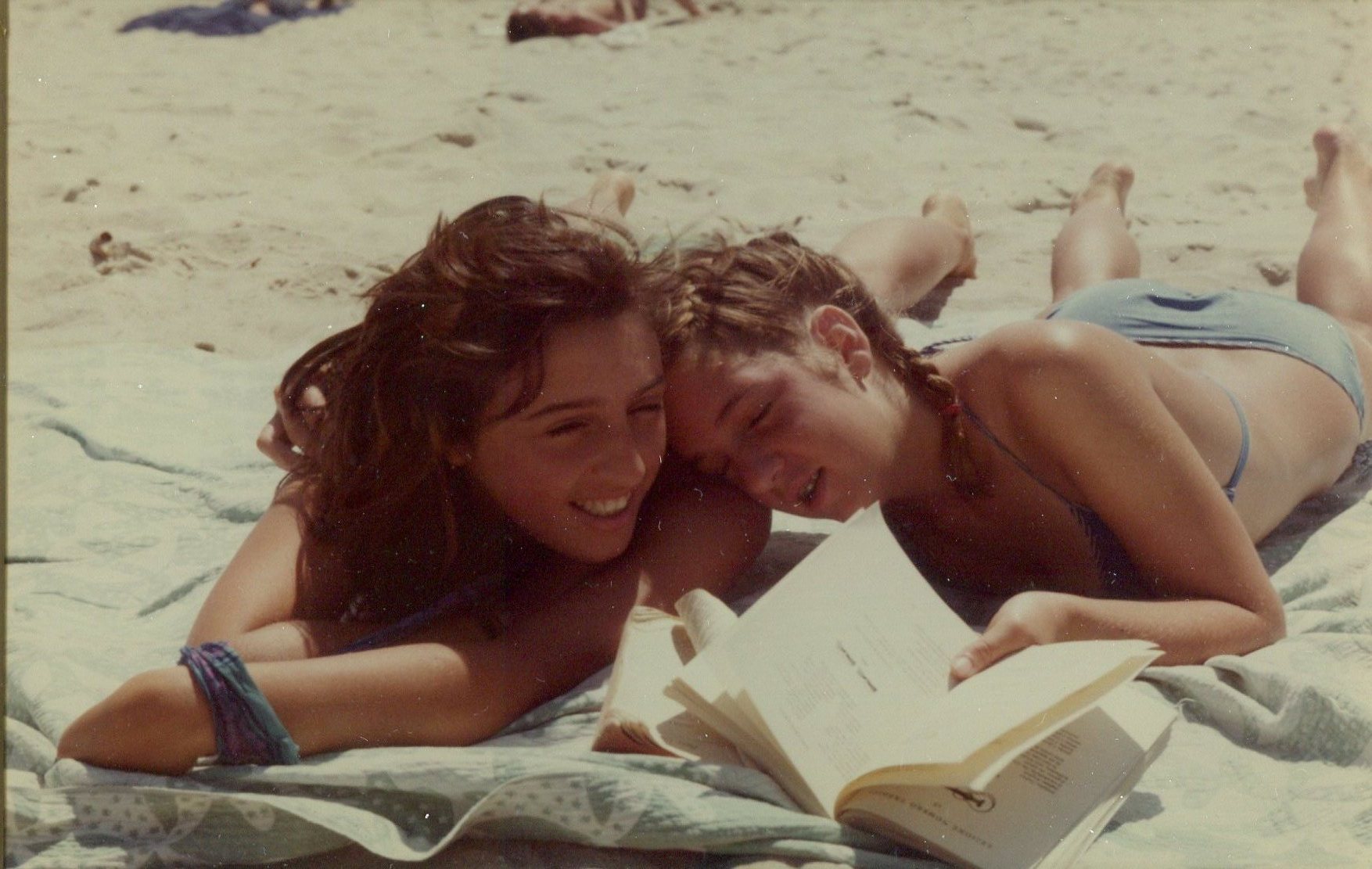
I learned most of what I know about cooking in Italy, from a family I lived with for two summers in high school and then for a year before college.  Mirella, the mother, and her daughter, Dodi, my best friend back then and still today, never measured anything, never really used a measuring cup or spoons.  Occasionally they’d pull out a scale, weighing in grams, eti, kili, but not much.  Their food was simple and elegant and the best Italian food I have ever had — lasagne and pasta al pesto and roast pheasant and spumoni and chocolate salami and involtini and pesce in burro.  I could carry on and describe it all and tell you, even, how to make it, but this is not a post about food.  It’s a post about measuring — about looking around at the world, at friends, at siblings, at ourselves comparing what they’ve got and are doing and giving against ourselves: what we’re getting and giving, trying to add it all up and make it equal and fair.  Just think off #franzenfreude.  “It’s not fair,” my children are constantly saying, it seems.  “You love him more.”

I am most impatient with myself most when I find myself measuring.  Growing up in a family with ten kids, there was a lot to measure: love, intelligence, beauty, work, money even. And family, of course, can be a microcosm for the world.  The other day, I found myself thinking about Dodi — she has a fantastic restaurant, Nonna Tata, in Fort Worth, Texas.  I was remembering visiting her there, watching her effortlessly prepare so much delicious food.  Beautiful dish after sumptuous dish emerging from her oven and stove.  A little of this.  A lot of that.  A master.  A star.  (As it happens, she just won a local Top Chef competition for Fort Worth, using no recipes.)  It occurred to me, quite simple really: if you know what you’re doing, you do not need to measure.
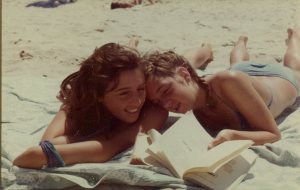
Martha and Dodi, Bay Head, July 1980

Add to FacebookAdd to DiggAdd to Del.icio.usAdd to StumbleuponAdd to RedditAdd to BlinklistAdd to TwitterAdd to TechnoratiAdd to Yahoo BuzzAdd to Newsvine

Life Is Sweet: Interviewed By Maribeth Clemente, A Prose-Writing Telluride Ski Instructor

What a lot of fun.  I love Telluride.  I loved meeting Maribeth Clemente.  She was the ski instructor of some friends’ children. They invited my son to join the instruction — lucky son, then lucky me.  Maribeth and I discovered we were both writers.  Over the summer she read Dear Money and interviewed me for her show.  Great questions and lovely insight.  A bonus: she’s helping arrange my return to Telluride, to The Wilkinson Public Library next March.

Click to link and listen

Add to FacebookAdd to DiggAdd to Del.icio.usAdd to StumbleuponAdd to RedditAdd to BlinklistAdd to TwitterAdd to TechnoratiAdd to Yahoo BuzzAdd to Newsvine

Rattlesnakes

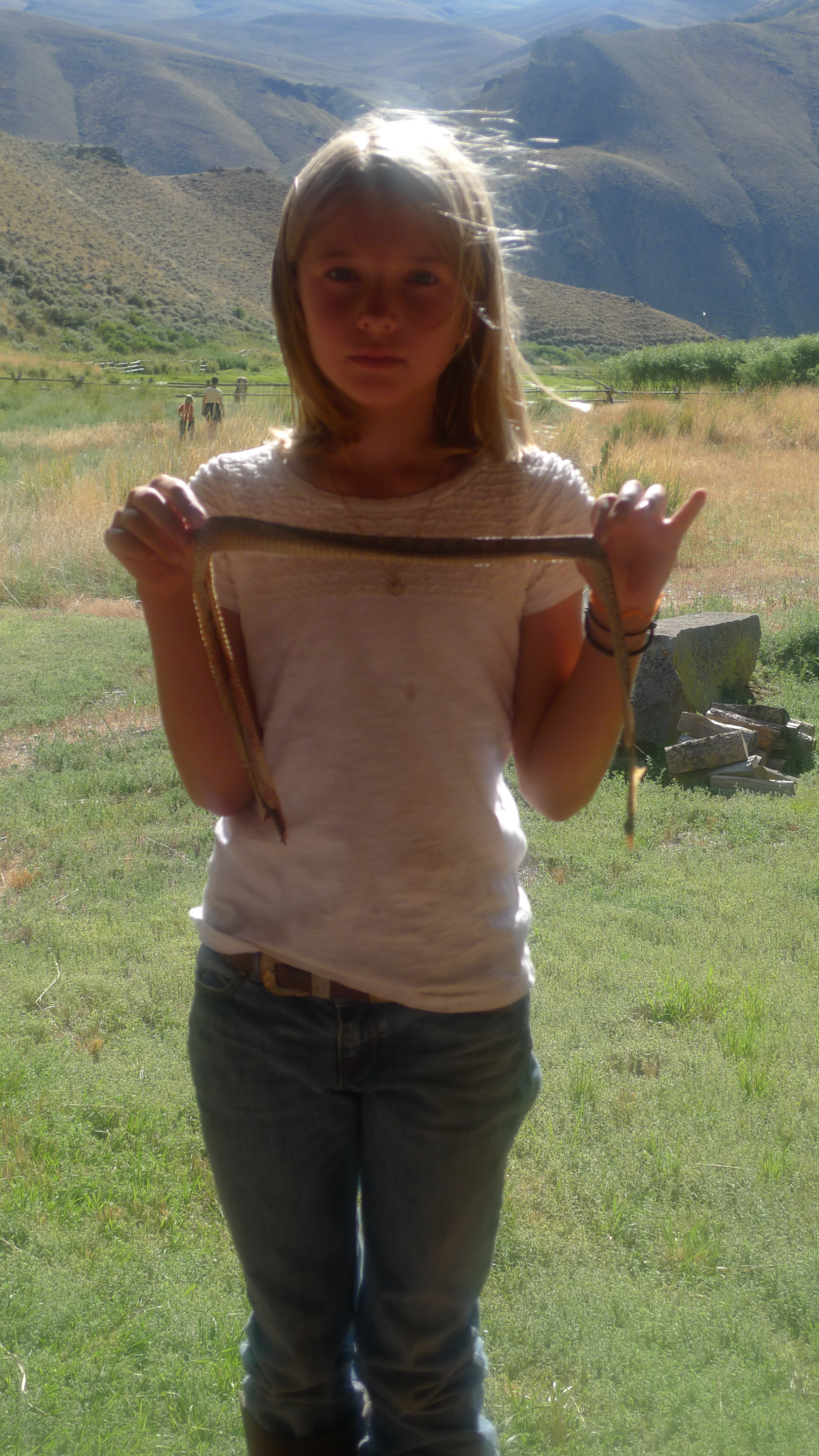
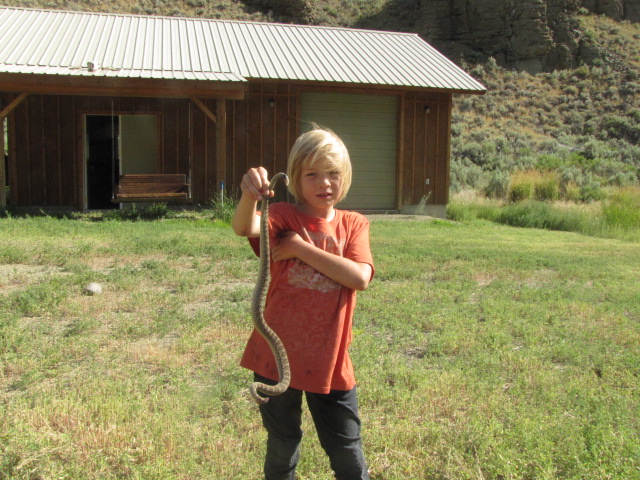
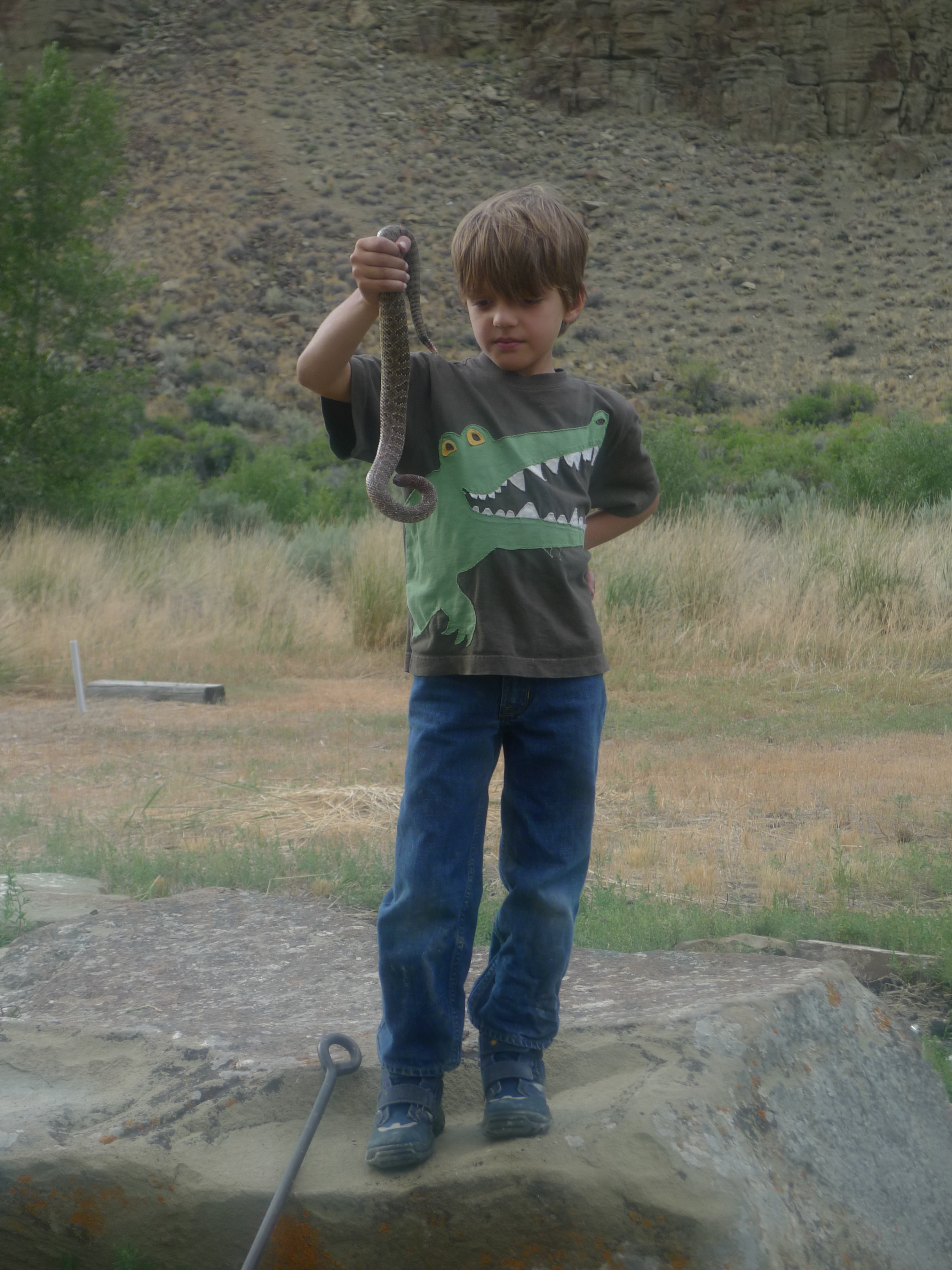
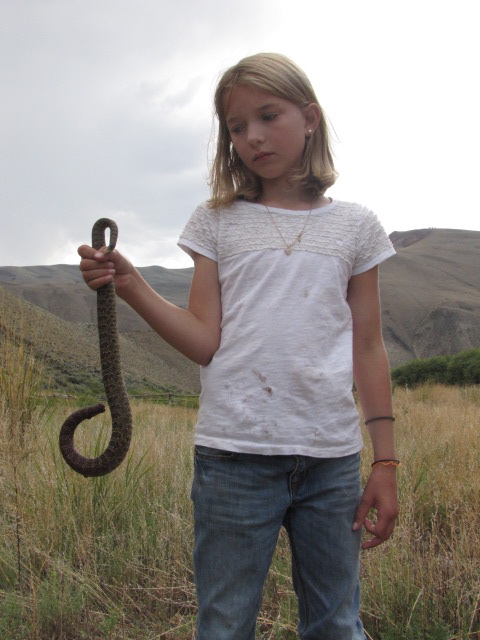
At a ranch on the banks of the Snake River in southern Idaho a rattlesnake coiled, began to rattle.  My son was a few inches away, frozen, fascinated, terrified.  We’d been warned about the rattlesnakes, told to wear boots and chaps.  But we’d just arrived and Jasper was in shorts and sneakers.  My husband came from behind Jasper and with a shovel struck the snake down.  We’d been told how to kill them if we’d had to, that they don’t die until sundown so to immediately bury the head.

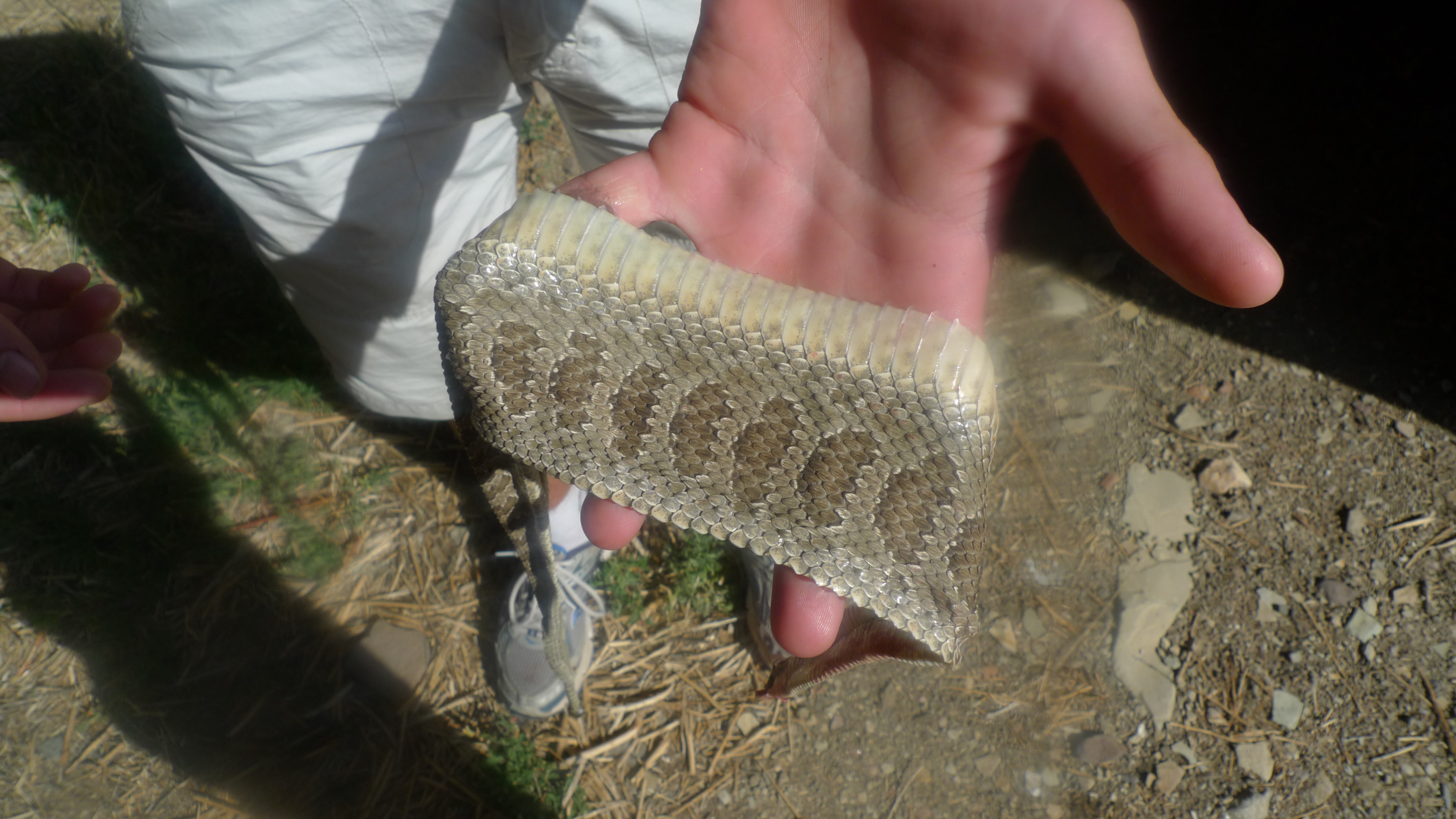
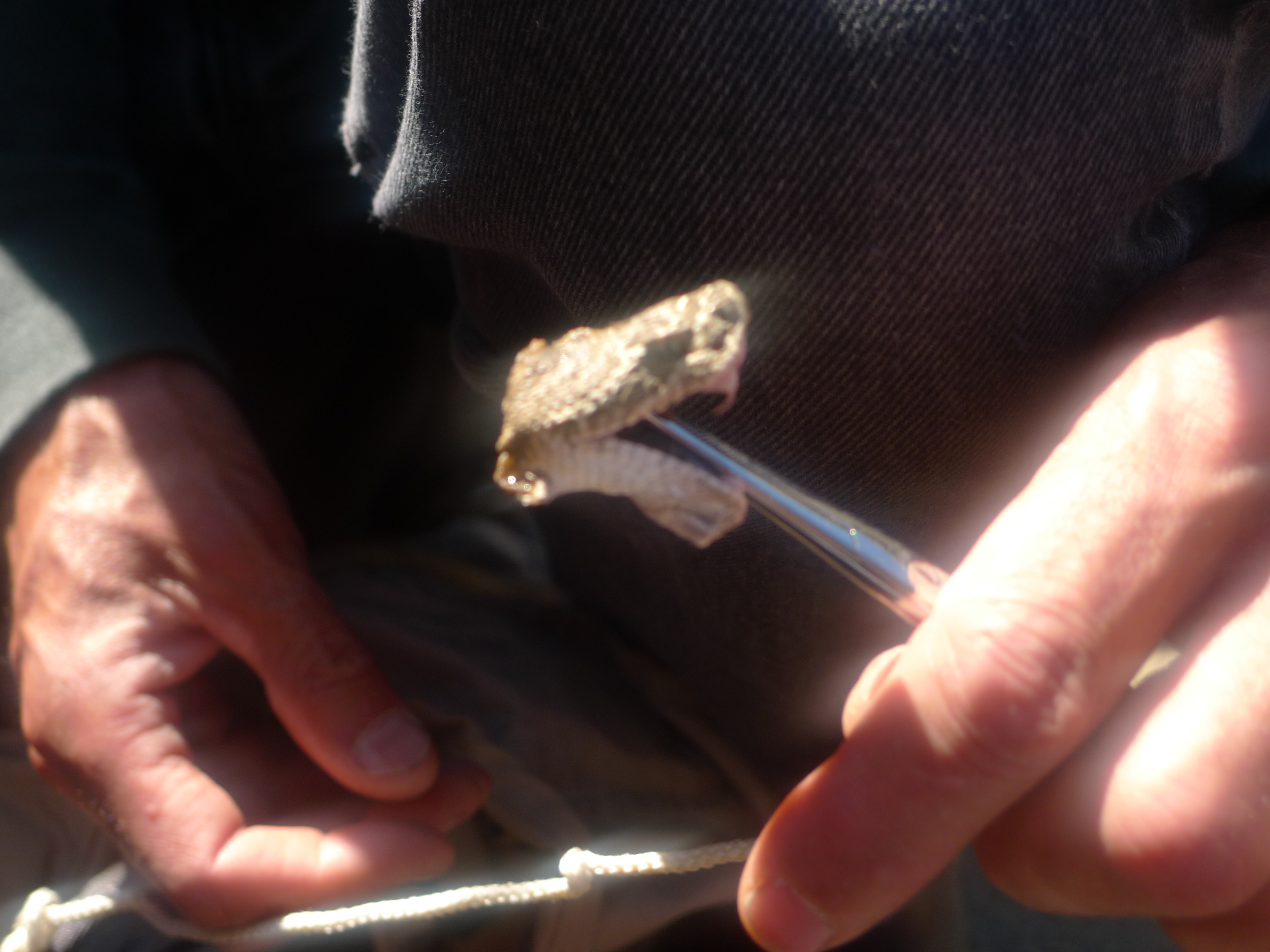
Indeed they continue to live for quite a while.  The mouth continues to bite and the body to coil and the heart to beat.  Bites at this point are still poisonous.  We buried the head and then cleaned the body, examining the innards, keeping the skin and the rattle.  In the morning one of the children decided he wanted the head so he dug it up and cleaned it off with water and preserved it in alcohol.

As it happened, I felt sort of bad.  I later read on the internet that rattlesnakes are very slow moving and they give you so much warning to get away from them that really it is unnecessary to kill them.  They don’t attack.  Like so many other animals they’re  afraid.  As a child in Montana, my grandmother shot rattlesnakes while riding through the sage brush, blasted them to hell and gone because they irritated her horse.  She didn’t feel bad, recounted the stories with a certain pride in the precision of her aim at ten years old.  But of course that was 100 years ago and everything was different.

I told my Dad about the rattlesnakes.  (Actually, by the end of our stay we’d had three encounters.)  He told me that his whole life he’d wanted to see a rattlesnake, but never had.  His friend, Sam Candler, upon learning this, took him to the most infested rattlesnake areas he knew of.  My father didn’t see a one.  He was thoroughly impressed that I’d seen so many.  “Did you eat it?” he asked.  “They’re delicious.”   In Rising From The Plains and in Silk Parachute he has a couple rattlesnake stories of his own involving exotic meals and even a murderer.  I now know where I’ll take my father next summer and I know too what I’ll feed him for dinner.

Add to FacebookAdd to DiggAdd to Del.icio.usAdd to StumbleuponAdd to RedditAdd to BlinklistAdd to TwitterAdd to TechnoratiAdd to Yahoo BuzzAdd to Newsvine

Summer Reading

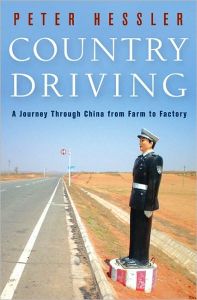
Country Driving by Peter Hessler

A Romantic Education by Patricia Hampl

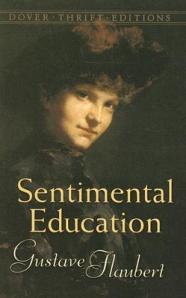
Sentimental Education by Gustav Flaubert

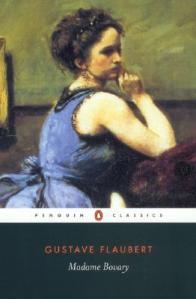
Madame Bovary by Gustav Flaubert

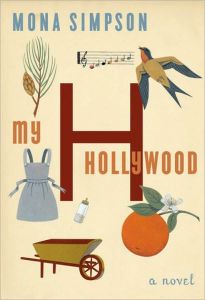
My Hollywood by Mona Simpson

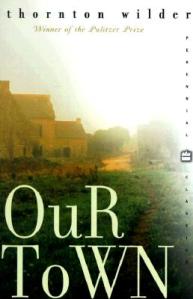
Our Town by Thornton Wilder

This summer I have read so many books.  That’s what I get to do when I don’t have my students and their work to take care of.  I read a few terrible novels, but was saved by the books mentioned above.  Country Driving was given to me by my father because Peter Hessler was his student and he loved the book.  It was an indelible portrait of China in the first decade of the 21st Century.  Using driving and the sudden explosion of the automobile and highways as the organizing principle, it is an astonishing portrait of everything from laws of the road to country life to the factory towns.  I couldn’t put it down.  A Romantic Education is simply a gorgeous memoir.  Hampl came to Hofstra to speak in the fall and ever since I’ve wanted to read her work.  Her insights and the beauty of her language are spellbinding.  For my book group we are reading Madame Bovary and Sentimental Eduction. I haven’t gotten to the first.  Sentimental Education I have now read three times.  Every time I read it, it is new all over again.  This time I appreciated especially the use of descriptive writing to capture the mood and meaning of the characters.  I was led there by reading James Wood’s How Fiction WorksMy Hollywood: I love Mona Simpson and became a writer because of her, in part.  Here, she captures the relationship with the babysitter that all mother’s, in one way or another, must negotiate.  I felt as though she wrote the experience I lived, so able is she to tap into the universal.  And lastly, my cousin Charles recommended I read Our Town for the best description of consciousness in literature.  He suffers from ALS and can no longer speak.  The third Act, reading it, was  as though Charles were speaking to me, generously inviting me in to understand what all of us seem to so often miss.  I have been thinking about the play since I read it in June, at 2AM, unable to sleep.  I think about it when my children disrupt me from something that seems utterly important, that isn’t of course, to see something that they find utterly important.  Sometimes, I confess, I find all their demands a sort of tyranny, but then I’ll think about Our Town and will think of having a long conversation with Charles, of how brief this all is — their childhoods and the demands and the beauty of my complete presence , for them, as hard as it is to achieve.  My first impulse after reading the play was to send it to everyone I love.

Add to FacebookAdd to DiggAdd to Del.icio.usAdd to StumbleuponAdd to RedditAdd to BlinklistAdd to TwitterAdd to TechnoratiAdd to Yahoo BuzzAdd to Newsvine

Rainbow Trout Caught With A Willow Switch Rod

Wildhorse Creek, Idaho

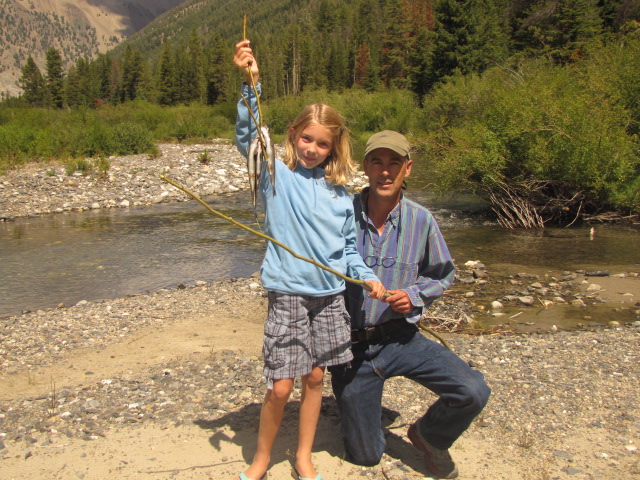
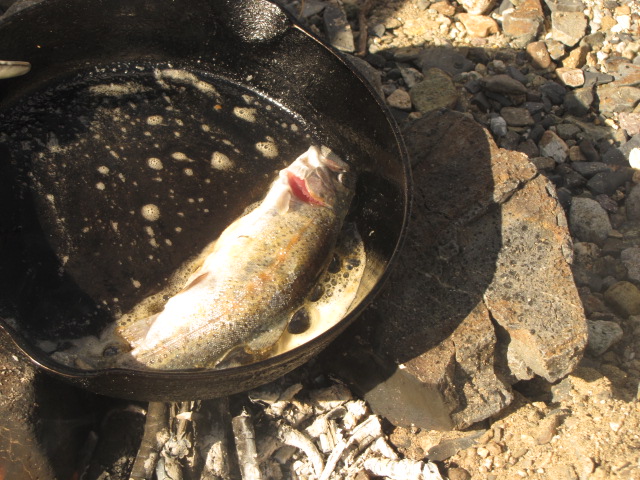
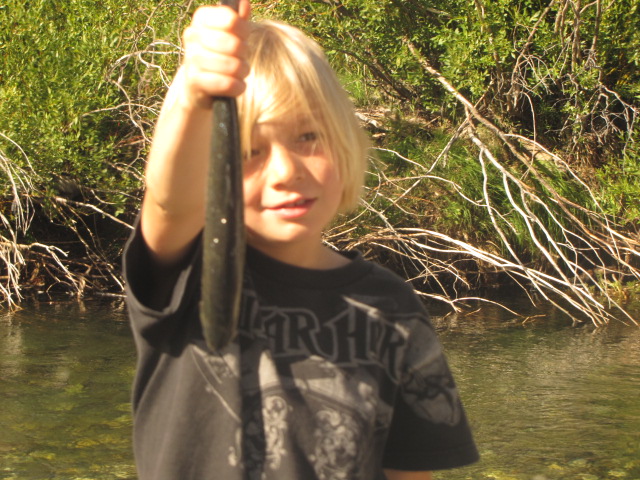
Bob Griswold, handsomest cowboy in the Sawtooth’s, cut a willow branch with a knife, tied on some line and a hook, placed a bright red salmon egg on the end of the hook and let Livia drop it in Wildhorse Creek, in a pool close to the bank.  She pulled out three trout.  Bob made a campfire and set up a cast iron pan at the edge of it, on some rocks.  Livia, bitten, went back with her willow switch rod to catch another and she did, immediately.  Alone, she wasn’t sure what to do with the fish as it flopped about on the bank.  Another friend, Matt, showed her what to do, and then gave a lesson in gutting the fish.  Livia cleaned her own.  Others caught a river char, and Leandro McPhee, on his tenth birthday, caught the longest trout of all.  On a sunny bank of a creek in a valley of the Sawtooth’s, we ate butter fried fish with lemon.  I thought of my grandmother 100 years ago, a six year old, in Montana, in the wilderness, fishing with nothing more than a switch, catching dinner for her mother and little sister — in what was then, for them, with no money and little food, something of a necessity.


Add to FacebookAdd to DiggAdd to Del.icio.usAdd to StumbleuponAdd to RedditAdd to BlinklistAdd to TwitterAdd to TechnoratiAdd to Yahoo BuzzAdd to Newsvine