My First Event For Dear Money, and for a good cause

April 10, 2010 | 3:30pmThe Center For Fiction and Read This | 17 E. 47th Street, NYCClick here to view full event

Panel Discussion: Writing About Money, the Novelists: Jonathan Dee, Adam Haslett and MARTHA McPHEE

Man Against Man, Man Against Nature…How about Man Against the Federal Reserve? These critically acclaimed writers have recently penned novels set in the world of financial privilege and power. Dee (The Privileges), Haslett (Union Atlantic), and McPhee (Dear Money) talk with Lindgren (executive editor of Businessweek) about what they learned about money while writing about human nature. They will be joined by the financial reporters from the 2:30 p.m. Money Panel.

Add to FacebookAdd to DiggAdd to Del.icio.usAdd to StumbleuponAdd to RedditAdd to BlinklistAdd to TwitterAdd to TechnoratiAdd to Yahoo BuzzAdd to Newsvine

My Husband is a Poet: It’s Poetry Month

A Crossing

From them the dust and from them the storm,

and the smoke in the sky, and a rumble in the ground;

and from them the very sky seeming, from afar, parabolic;

from the curve or girth beyond the eye’s reach;

                                                            from/across/& through—

a beautiful level and fertile plain—

with soggy bottoms of slender allium

or nodding onion the size of musket ball,

white, crisp, well-flavored; from the high grass stretching 

                                                            into tomorrow

the welcoming committee assembles & gathers—

each dark visage a massive escarpment

that stares out of bewilderment;

—from their river crossing, and from somewhere

                                                            inside the huff, hieratic ohm—

the beck-and-echo, returning call

of calves mothering-up; from the dark script

of the herd, frequently approaching more nearly

to discover what we are,


                                                            with/across/& to

the cataract of time:

this steady, animal regard,

this gaze of theirs, the size and scale of it,

so amassed,

arrests the men, who look them back

                                                            as they must/& do/& will—

from a bookcase, from a window sill.

From Empire Burlesque  by Mark Svenvold

Add to FacebookAdd to DiggAdd to Del.icio.usAdd to StumbleuponAdd to RedditAdd to BlinklistAdd to TwitterAdd to TechnoratiAdd to Yahoo BuzzAdd to Newsvine

Booklist Makes Me Really Smile

BOOKLIST
Issue: April 15, 2010
Dear Money.
Advanced Review
McPhee, Martha (Author) Jun 2010. 352 p. Houghton, hardcover, $25.00. (9780151011650).
With four moderately successful novels under her belt, India Palmer knows better than to pin her hopes for financial independence on the publication of her fifth. Unlike her husband, avant-garde sculptor Theodor Larson, who truly believes in art-for-art’s-sake, India has no illusions that her writing will ever be able to support her insatiable catalog of wants and her family’s interminable list of needs. So when Wall Street tycoon Win Johns swoops into her life like an Armani-clad avenging angel with promises to turn her into a bond-trading whiz kid, India accepts his challenge without so much as a backward glance. Has she willingly allowed herself to become Galatea to Win’s Pygmalion or unwittingly sold her soul to the devil? Although no one can profess to comprehend the complexities of the current economic quagmire, McPhee dishes its jargon with all the aplomb of someone who TiVos CNBC. Delivering virulent social satire with a velvet, humanitarian touch, McPhee’s timely send-up deftly parodies the fallout from misplaced priorities.
— Carol Haggas

Add to FacebookAdd to DiggAdd to Del.icio.usAdd to StumbleuponAdd to RedditAdd to BlinklistAdd to TwitterAdd to TechnoratiAdd to Yahoo BuzzAdd to Newsvine

One Goes Broke In A Thousand Small Ways

One goes broke in a thousand small ways: birthday presents, the ticket of admission to those fancy birthday parties; house presents; ballet classes, lessons in general; theater subscriptions, for us and for the children; dinners out with the mothers, with the parents who want to get to know you better; fundraisers, (God forbid you don’t have your name on the donor list); contributions; dinner parties; out-of-network doctors for my asthmatic daughter, the pulmonologist, the allergist, well-childcare not covered, the dentist; bills—electricity, cable, telephone; clothes for the kids, uniforms; taxis, when too tired to take the bus; haircuts even for Theodor, the girls, myself (Do you really need one, I’d find myself thinking); movie theater tickets and the requisite popcorn and soda—all of it adding up constantly in my mind, a spinning calculator, accumulating numbers with astonishing (and frightening) speed. 

From Dear Money 

With taxes approaching and the constant onslaught of bills, I’m thinking my character, India Palmer, is much smarter than I.  And I’m jealous.  She actually took the Wall Street tycoon up on his proposition and went off and became a bond trader.   Now she’s having a grand old time while I’m still struggling to pay the bills.

Watch the Dear Money book trailer: Let’s Blow It All

Add to FacebookAdd to DiggAdd to Del.icio.usAdd to StumbleuponAdd to RedditAdd to BlinklistAdd to TwitterAdd to TechnoratiAdd to Yahoo BuzzAdd to Newsvine

For Writers, Plots Emerge With Time

Mona Simpson, at Hofstra for The Great Writers Great Readers series, put it quite simply: “The older I get the more interested I become in plot.”  Why?  Because with time life’s plots reveal themselves unequivocally.  One begins to understand that while there may be as many stories as there are people, there are a finite number of plots. Patterns emerge, but it takes a life of gossip and talk about those lives to begin to recognize those selfsame patterns—and how they might in some way become useful to a writer of fiction. The most popular girl in highschool becomes a prostitute in her twenties.  By her thirties she’s in rehab for drug addiction.  In her forties, you hear through friends, she’s married to a banker, living on Park Avenue.  Marriages end, dreams fail, friends die tragically, murders (yes even murders) occur, sickness fells a young mother, careers skyrocket, fame graces a few fortunates, hardwork pays off and also it doesn’t, children grow up and bring along their own new plots, the prince and princess for whom your maid also works ends up blowing their astronomical wad, leaving a trail of debt in their wake.  By the way, these are all true stories.

When I wrote my first novel, Bright Angel Time, I did not care about plot at all.  My professor at Columbia University’s MFA Program in Fiction, Robert Towers, kept asking me, “Where’s this going, Martha?”  I can still hear the faint drawl of Texas in the sound of his words, still see him puzzeled, sitting at his desk.  By this point in his life, he must have known many plots—his own and those of others.  I knew only the stories of my childhood.  They were abundant and fertile, but still truncated.  Time hadn’t had its way yet with these lives and I didn’t quite appreciate the extent of pleasure and destruction that could and would occur.   So as a young writer, by default really, I cared mostly about language.  I recall a student in workshop saying, “Martha’s language is too rich, like a dark chocolate.”

Thinking about plot, I realize I have come to care about it much more too.  Dear Money, my latest novel, has plot as its engine.  It was a challenge I set for myself.  I wanted the book to be linear (all of my previous novels were anything but linear) and I wanted there to be a clear forward momentum—a character wanting something and going after it.  (By the way, I also didn’t want anyone to die, and I almost got away with that: there are only two deaths in the novel.  Both are insignificant—if you can say that about death—to the storyline.)  What I hadn’t understood was that age led me to this.  The plot of Dear Money in some ways follows that of Shaw’s Pygmalion, itself a variant of the “stranger comes to town” sort—in this case a big wheel in Wall Street offers a modern-day “flower” girl (a middle-aged, mid-list writer) the chance to chuck it all and step into the world of the mighty and the powerfully rich during a foolish decade in which the plots of the mighty and the powerful seemed to obliterate everthing else.

Dear Money Book Trailer: Let’s Blow It All

Add to FacebookAdd to DiggAdd to Del.icio.usAdd to StumbleuponAdd to RedditAdd to BlinklistAdd to TwitterAdd to TechnoratiAdd to Yahoo BuzzAdd to Newsvine

Secrets To A Perfect Risotto


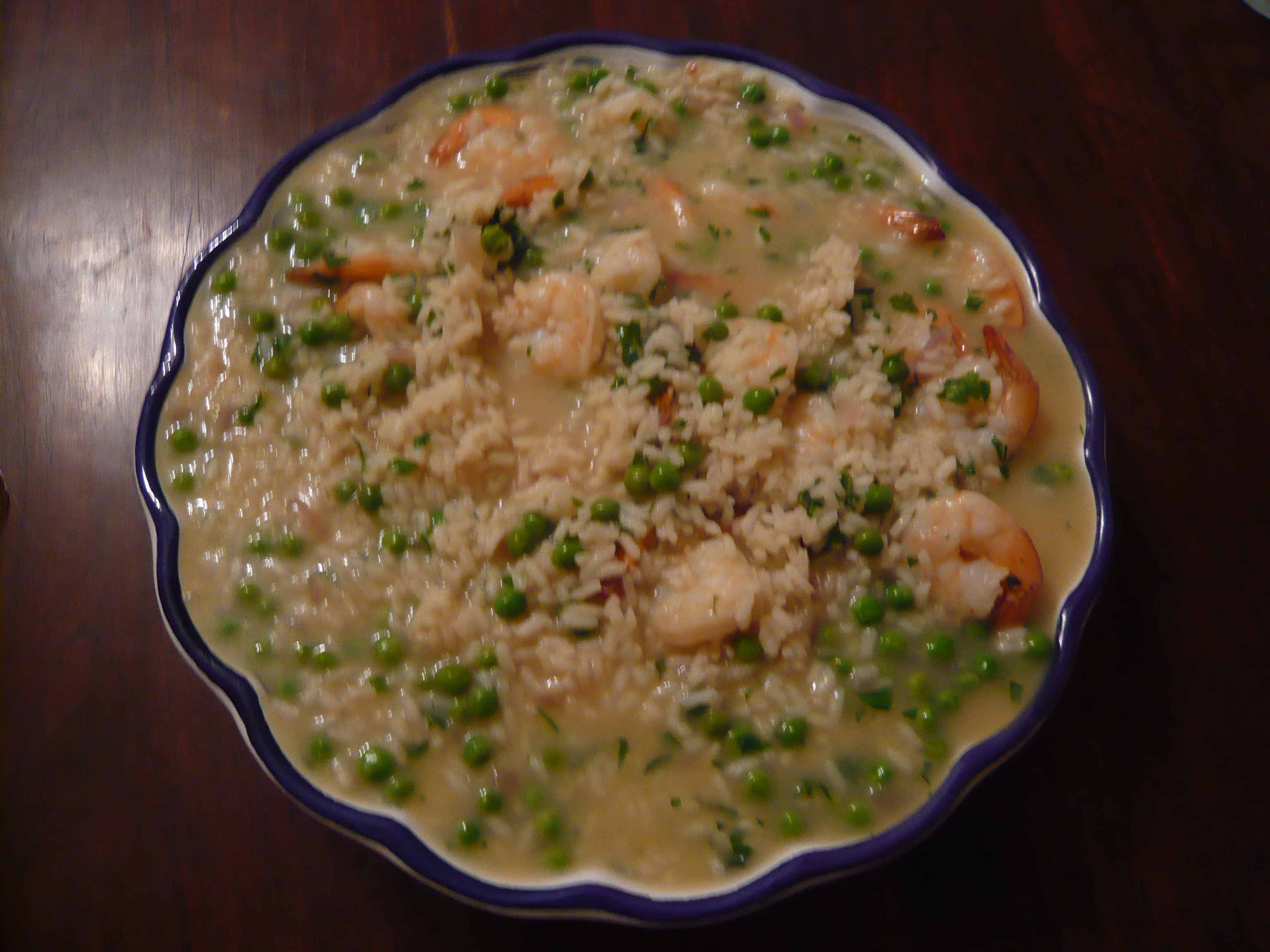
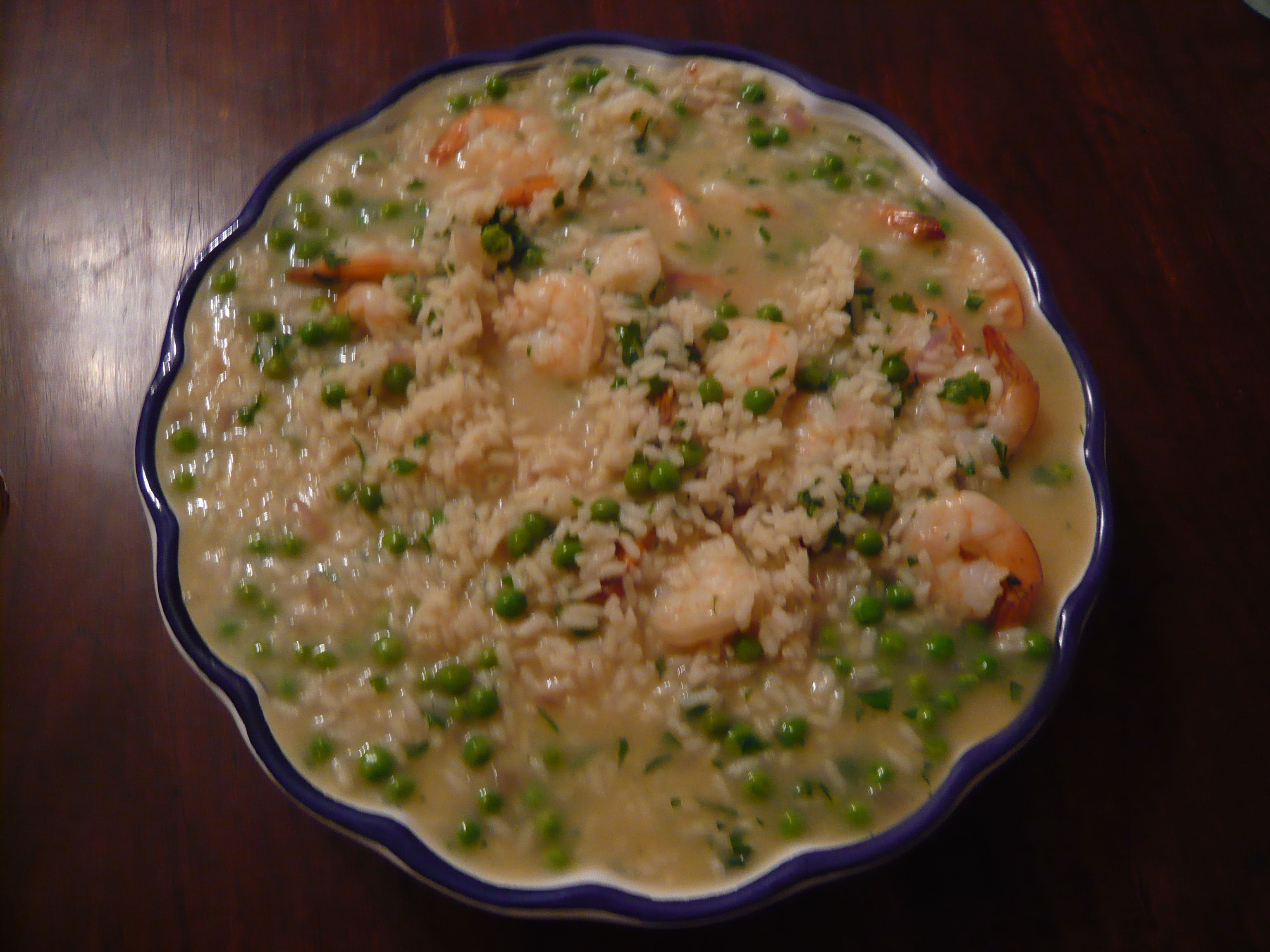
Luca’s Risotto With Shrimp And Lemon

First, the secrets:

1) A heavy pan, cast iron, perhaps a Le Creuset
2) A highish heat
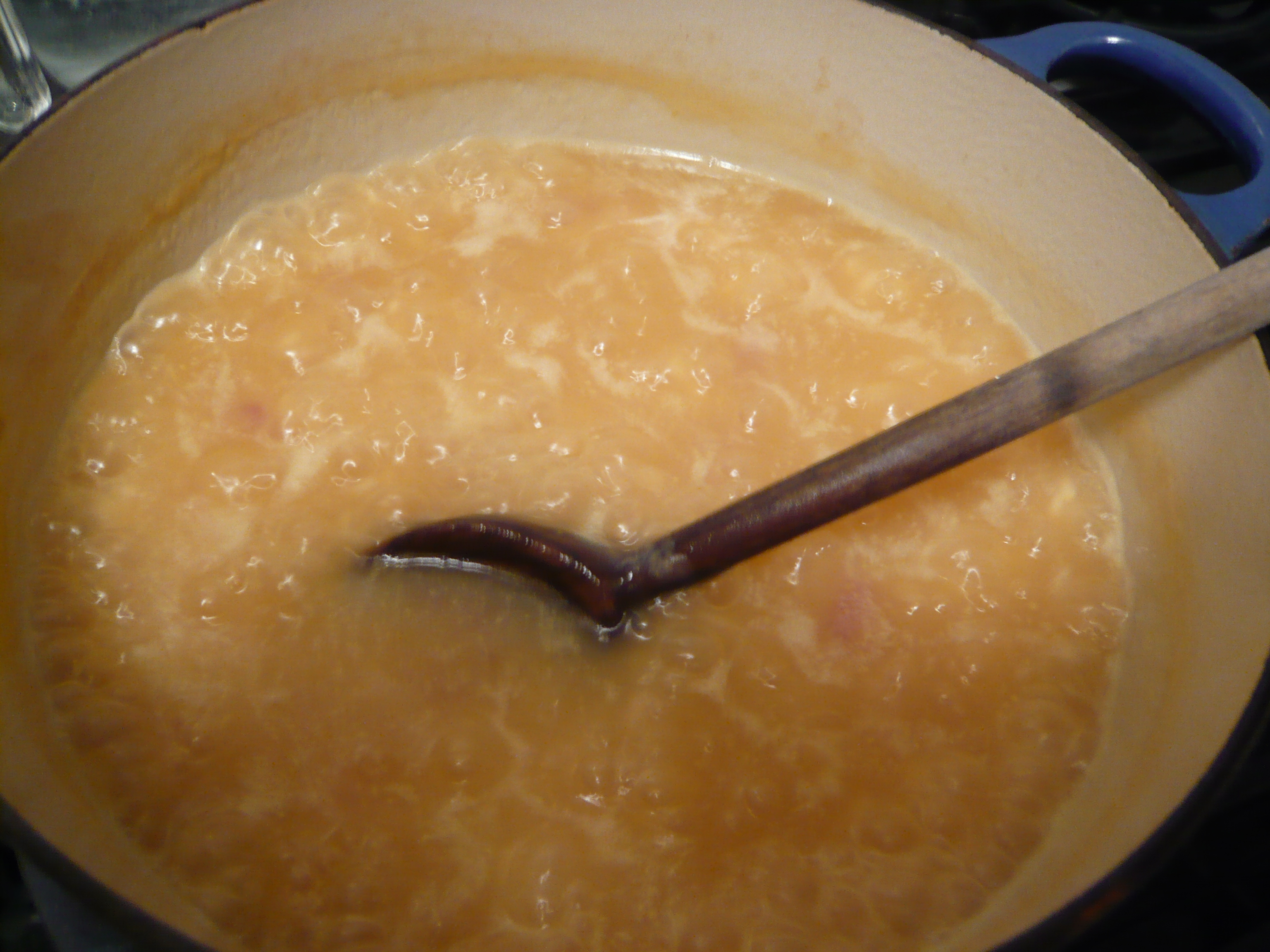
3) Abundant liquid. Keep the rice well soaked with broth even to the far end. It should be almost soup-like when you turn the heat off.
4) When finished cooking, pour the very wet risotto onto a platter. It will continue absorbing the water, but more slowly as it is away from the heat and on a cooler surface.

These tips work for all risotto. I don’t generally measure, so the following recipe is more or less, but, as with all the recipes I use, this one is very forgiving. More or less is good enough.

Shrimp Risotto (serves four — doubles, triples easily, as long as you follow the secrets)

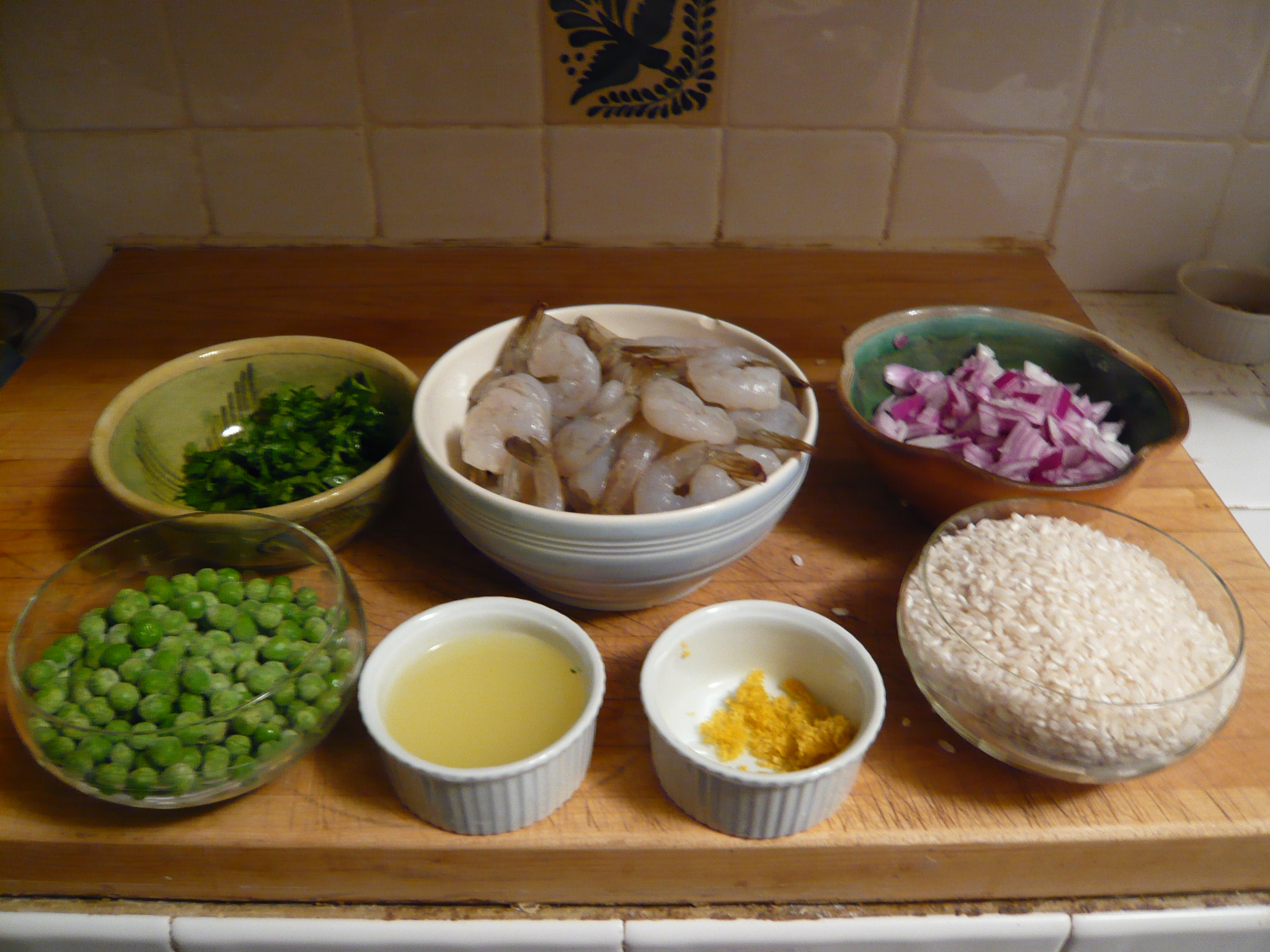
Ingredients:

1/4 cup red onion, chopped

2 tablespoons of olive oil

1 cup of risotto

1/3 cup dry white wine

2 tablespoons of grated lemon rind

1/4 cup of lemon juice

10 ounces of medium shrimp, deveined

3/4 cups frozen small peas

1/4 cup of chopped Italian parsely

5-7 cups of stock which should be heated in another pot.  If you run out of stock, use water.

Salt and pepper to taste

In a heavy pot heat olive oil, add onion, cook about 3-5 minutes until translucent.  Add rice, coat with oil and onion.  Add wine.  Let absorb a little.  Add an ample laddle of stock, stir constantly.  Before all the stock is absorbed add another laddle of stock.  Stir.  Repeat.  REMEMBER always keep the rice wet.  Don’t let the stock vanish.  This should take about 15-20 minutes.  When the rice is al dente, add a second to last laddle of stock.  While stirring it in add the peas and the shrimp, lemon zest and lemon juice.  Stir until the shrimp turn pink and curl.  About 2-3 minutes.  Add a final laddle of stock.  The risotto should look almost soupy.  Stir in the parsely.  Transfer to a platter and serve. 

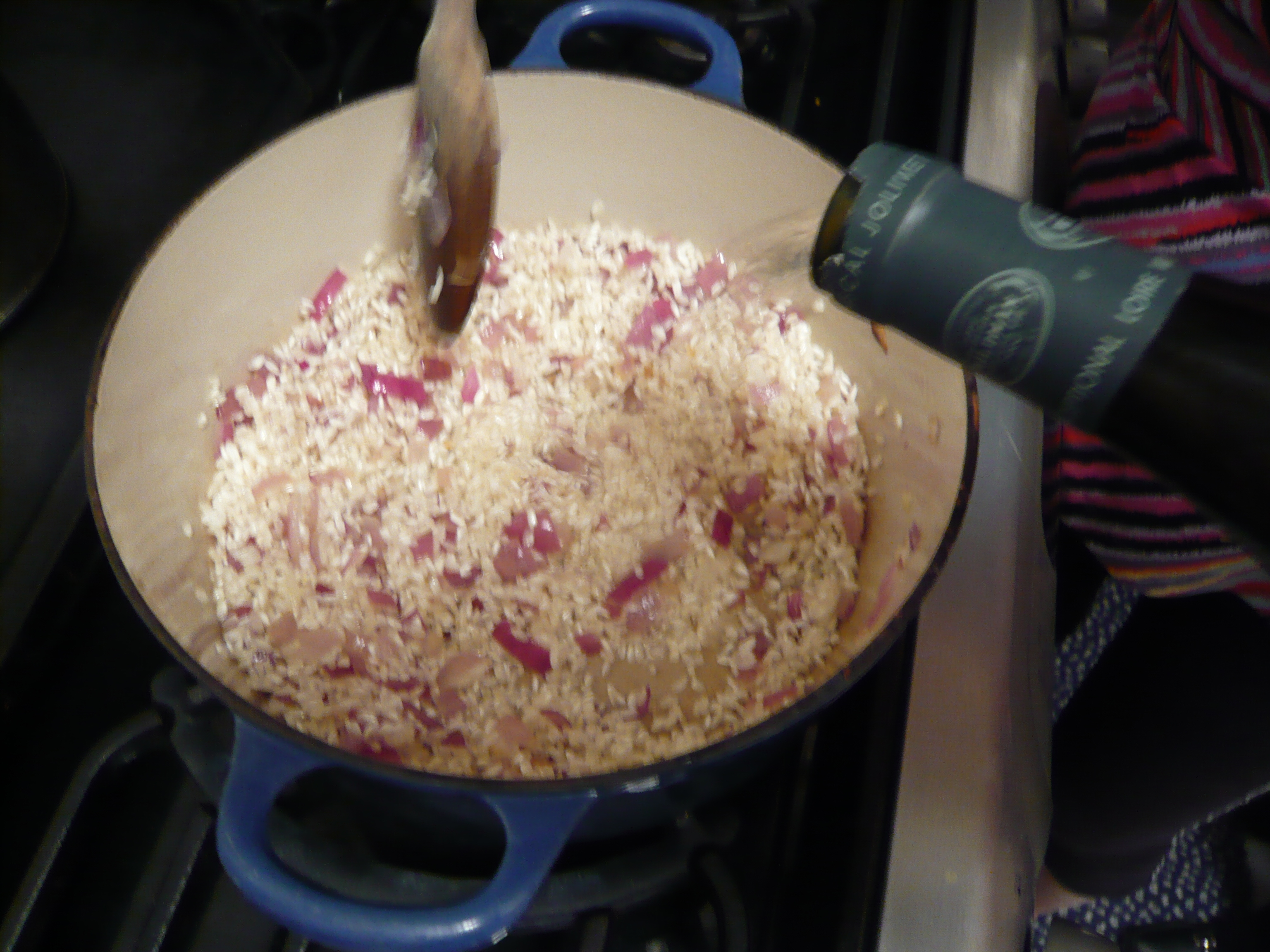
Adding the wine.

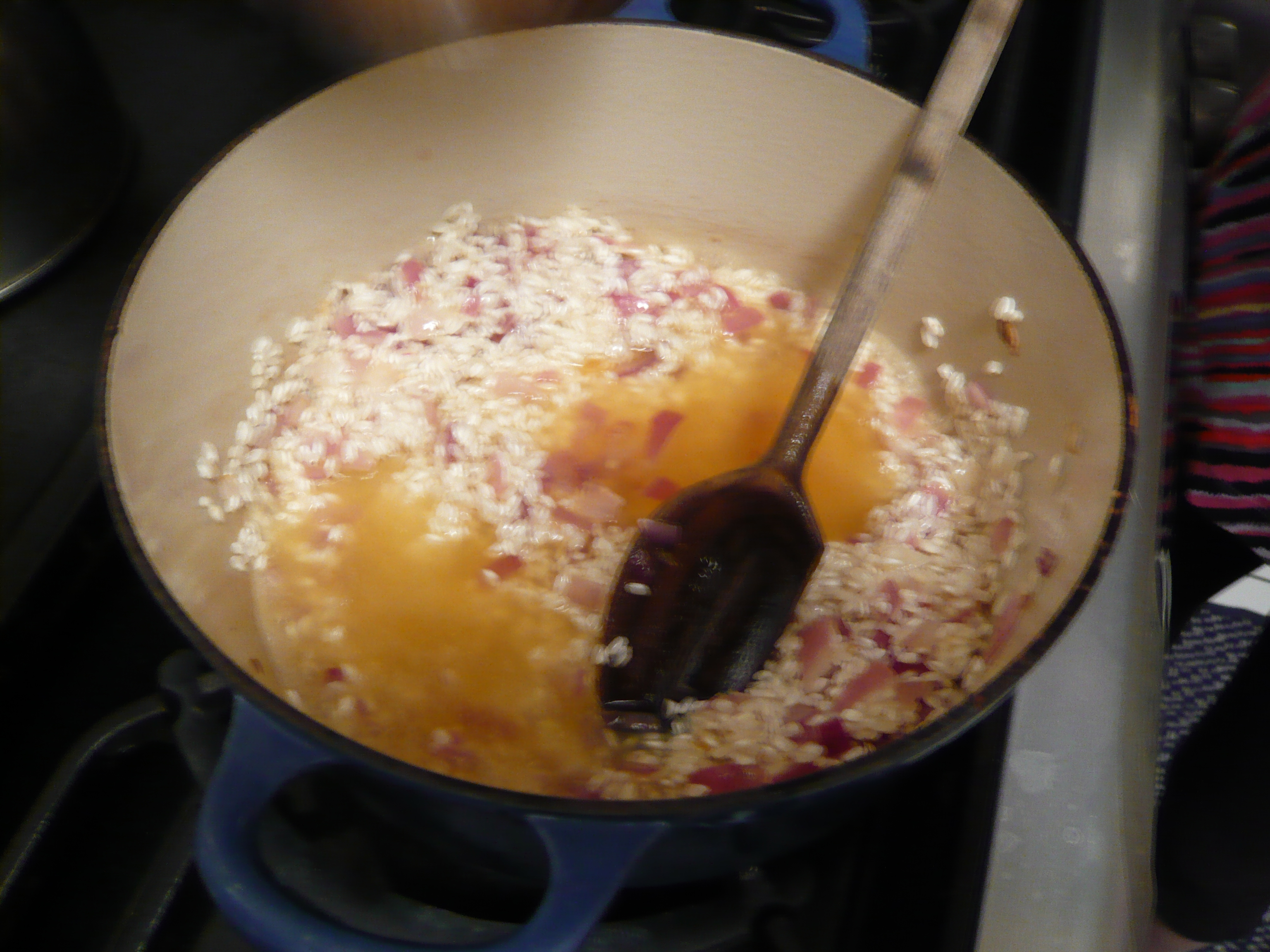
Absorbing the wine and the first bit of stock.

Keeping the risotto wet as you stir and cook.

Ecco: the final product.  Serve and enjoy! 

Note: NEVER serve with cheese.  As any Italian will tell you, cheese and fish do not go together.

Add to FacebookAdd to DiggAdd to Del.icio.usAdd to StumbleuponAdd to RedditAdd to BlinklistAdd to TwitterAdd to TechnoratiAdd to Yahoo BuzzAdd to Newsvine

I’m Honored To Present Mona Simpson


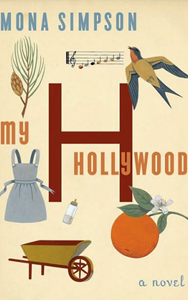
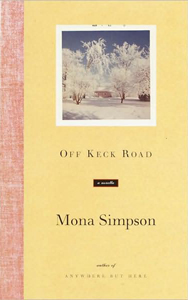
Mona Simpson is coming to Hofstra University on Wednesday, March 10 at 7PM to read in the library’s Cultural Center Theater.  You are welcome to join us.

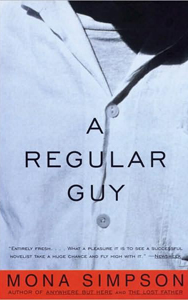
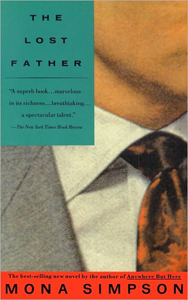
In 1988 my father introduced my sisters and me to Mona. We were all living in New York City then and so was Mona. She had recently published her first novel, Anywhere But Here, and my father had read it, loved it, and given it to his girls because he thought we might love it too. He met Mona at Princeton University where he teaches.  That year she was the fortunate recipient of a Hodder Fellowship.  I’ll never forget how I devoured her book, realizing as I read it that I had to be a writer too, that I wanted to study it, each sentence to see how it was made. And I will never forget the dinner at my sister Laura’s old apartment on 108th Street, meeting this spectacular woman whose work I so admired. We became fast friends, shopping together, running together, being single in New York together.  I looked up to her, asked her about writing, trying to glean from her the big lessons of this career.  Generous and loving and kind, after a while my father referred to her at his fifth daughter.  Young writers are so fortunate if they have a role model.  She was mine.  She and her work, without doubt, drove me to have the courage to write my own fiction. 

Now all these novels and years later, I bring Mona Simpson to Hofstra University’s Great Writers Great Readings series because I want to share her with my students and the larger Hofstra community. I know she will inspire all.  Please come.

Next in the series is the poet Rosanna Warren on April 14th.  Same place.  Same time.


Add to FacebookAdd to DiggAdd to Del.icio.usAdd to StumbleuponAdd to RedditAdd to BlinklistAdd to TwitterAdd to TechnoratiAdd to Yahoo BuzzAdd to Newsvine

Made My Day

KIRKUS REVIEWS (starred, up-front essay)
March 1, 2010
DEAR MONEY
By Martha McPhee

Nearly everybody who reads—newspapers, magazines and websites, in addition to fiction—recognizes the plight of the midlist novelist. Not the brand-name superstar, whose annual connect-the-dots release invariably shoots to the top of the bestseller list. Not the highly touted newcomer, whose debut captures the fancy of so many critics, with raves spawning a flurry of other raves, a consensus that will likely curdle with the sophomore effort. Not even the literary trophy novelist, whose renown far exceeds any recent commercial success, but whose prestige adds luster to the publisher’s catalog.

No, the classic midlister is no household name, except in the households of some book reviewers, and perhaps in those of the few others who avidly monitor book reviews. Such a readership might represent a cult fandom and guarantee sales in the low thousands. Enough that some imprint, though maybe not the same one, will publish the author’s next novel, without expectations on anyone’s part that it will fare much better.

Martha McPhee’s fourth novel wouldn’t be so funny if it didn’t ring so true. As the narrator of Dear Money, India Palmer has published four novels, none of which has sold more than 5,000 copies, and has written a fifth, which she had “come to hope…would be the winning ticket in the literary lottery where art met commerce.”

Though it would be a mistake to reduce India to an authorial stand-in, the delicious irony of McPhee’s novel is that it deserves to be her own lottery winner, the breakout book that attracts a popular readership exceeding those drawn by the critical notices and prize nominations for her earlier work. Yet her novel recognizes what a daunting challenge this is, how the publishing industry and celebrity culture make it easier for a tabula rasa newcomer to achieve such attention than for an author who has already established a track record.

Finding herself “consumed by want,” India suffers even more because she and her artist husband have become close friends with a wealthier couple who can easily afford the standard of living to which the novelist guiltily aspires. Their expansive social circle encompasses a playboy financier who tempts India into something like an affair, only one where the lust is for money.

McPhee has a lot of fun with a couple of archetypes—a Pygmalion transformation of the novelist into a financial high roller and a “city mouse/country mouse” exchange of ambitions—but what makes this novel work so well is that India continues to engage the reader’s empathy, even affection, as she forsakes literary high-mindedness for filthy lucre. The novel reflects just how much of an industry publishing is, and how success in financial speculation involves crafting a compelling narrative.

Upping the metafictional ante is the question of whether India’s bond-trading experiences will inspire her to write another novel—maybe even one as culturally subversive as McPhee’s.

Add to FacebookAdd to DiggAdd to Del.icio.usAdd to StumbleuponAdd to RedditAdd to BlinklistAdd to TwitterAdd to TechnoratiAdd to Yahoo BuzzAdd to Newsvine