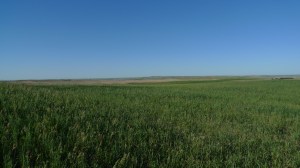
On the Svenvold farm
After 19 years together, my husband took me to his father’s childhood home on a farm outside of Glendive, Montana and I met more Svenvolds than I knew existed—cousins and second cousins and cousins once and twice removed. I’m rich with in-laws I didn’t know I had. Their grandfather, Rasmus, came from Norway at the end of the 19th century. He bought a cattle brand at auction to discover there were some 2000 cattle. In 1909, to take advantage of the Homestead Act he sold the cattle brand and became a rich man. He didn’t need to farm, so he didn’t. A gentleman farmer was he. With his cash, he built a state of the art farm house with electricity and running water, married a Norwegian girl from an adjacent farm. Her name was Sandra Waag and she came from Norway to take care of her brother, Ingvald.
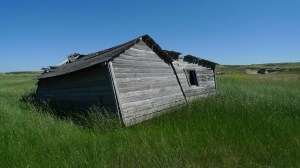
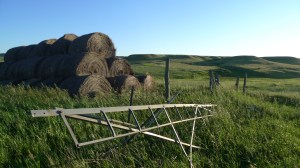
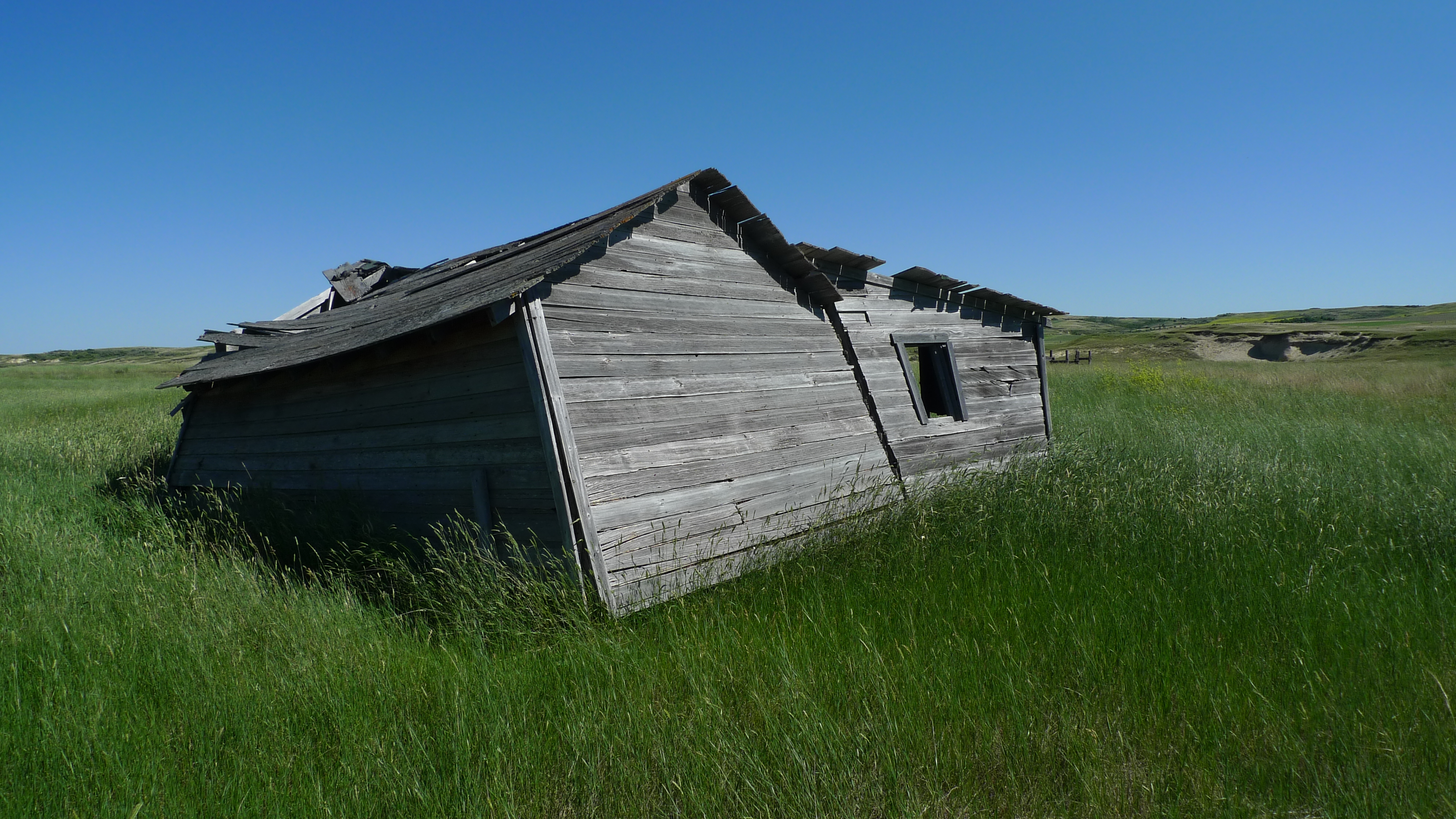
The remains of Ingvald’s homestead
Sandra and Rasmus had four boys. My husband’s father, Harold, was one of those boys. Some years later, quite ill, a traveling preacher swindled Rasmus for everything but the farm. Rasmus and his sons never went to church again. His youngest son, Raleigh, started farming the land to make ends meet, planting high protein wheat as his other brothers went off to pursue their own lives and dreams. Raleigh and his wife had six children, five boys and a girl. All of those children were in Glendive this July to celebrate their mother’s 90th birthday.
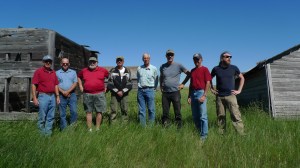
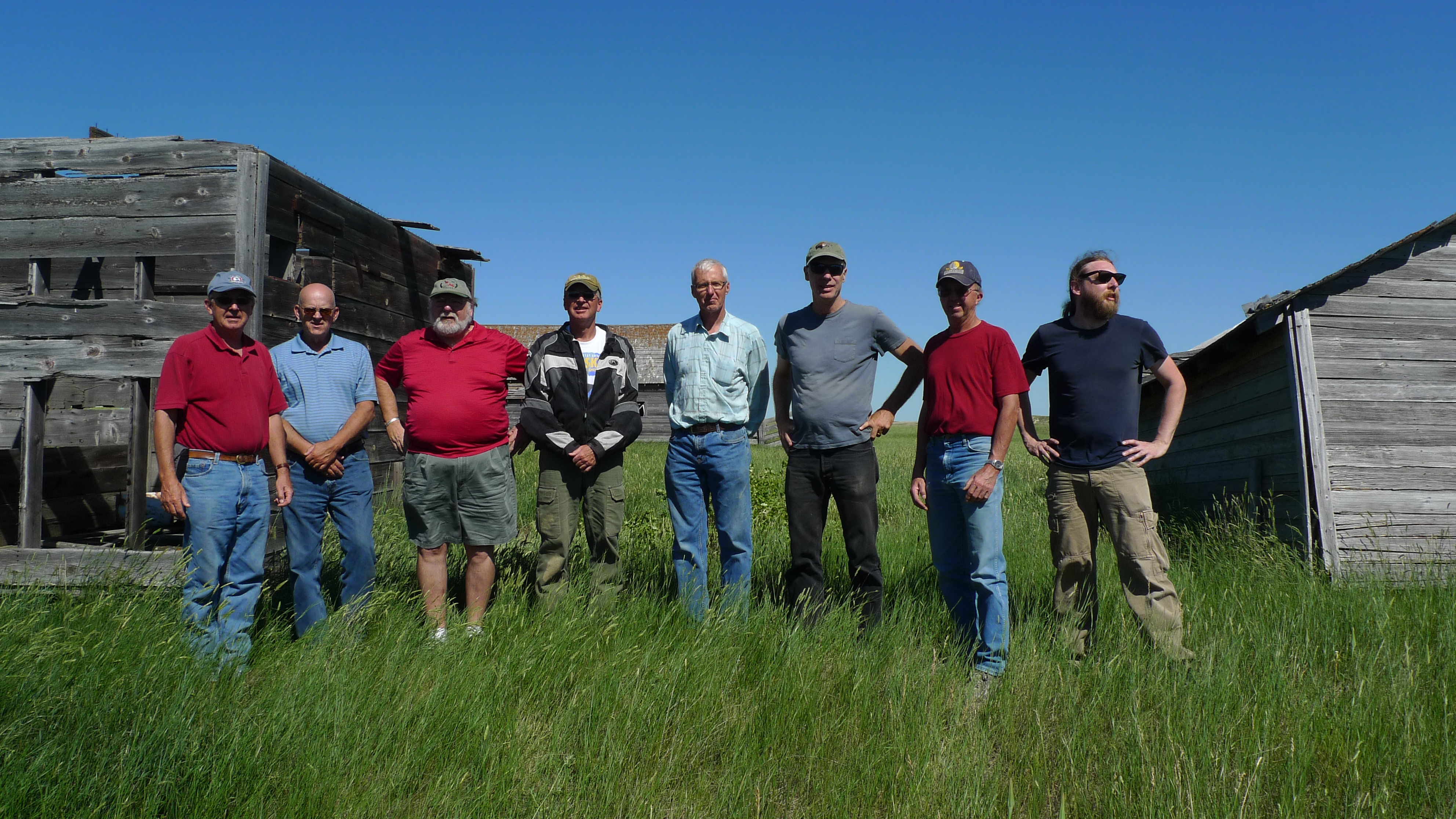
Some of the Svenvold men
As it happened, my grandmother came to Glendive when she was 6 years old, in 1910. She came with her little sister and my great grandmother, Glenna.

Glenna was fleeing her husband who had, as my grandmother liked to tell me, “a wandering eye for women.” In Montana, she became an itinerant school teacher, traveling wherever need led. There was a lot of need. Rural one room school houses dotted the landscape and school teachers lasted only briefly. Glenna got schools up and running and then moved on to the next hardship post.

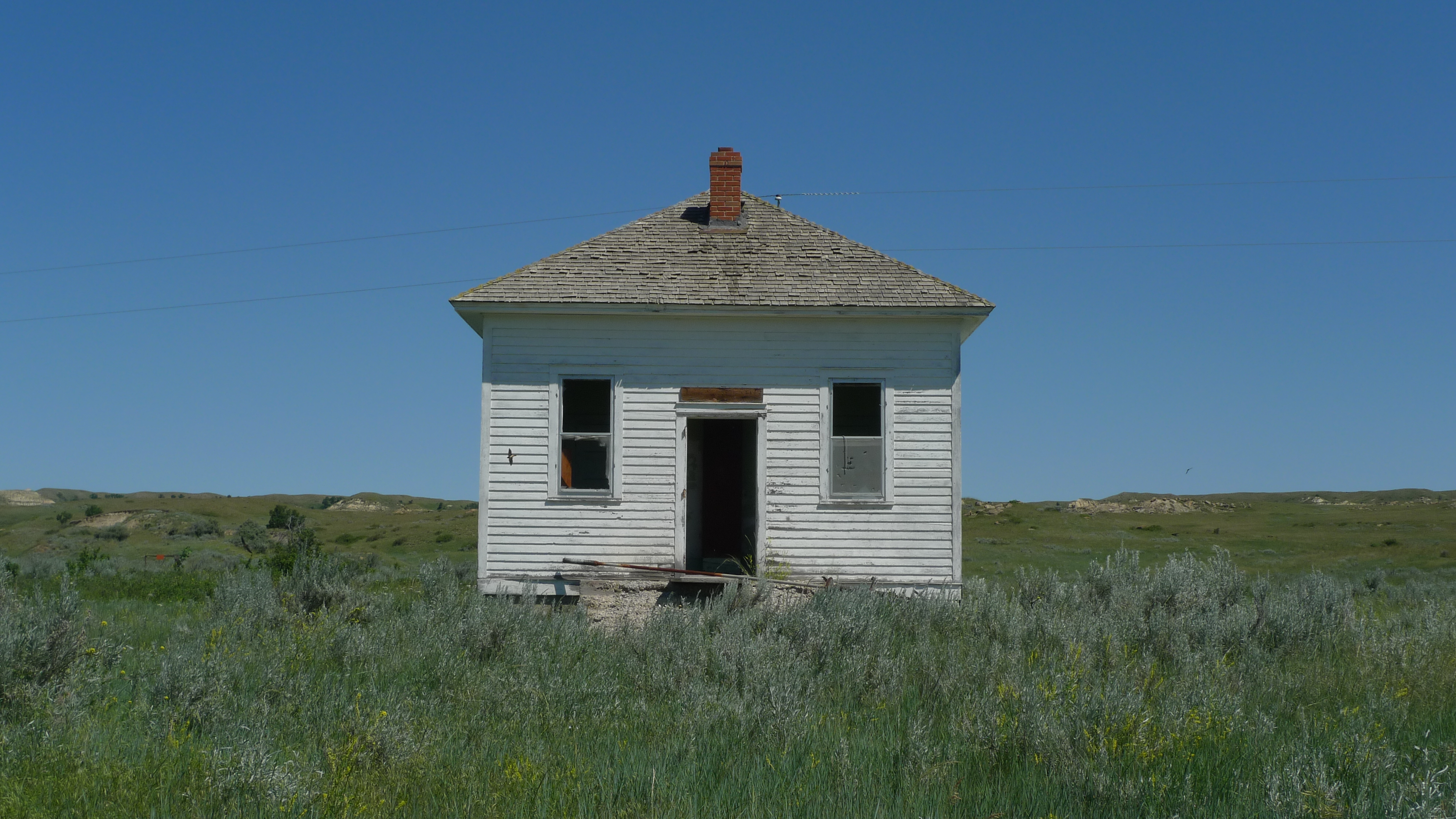
Upper Seven Mile School
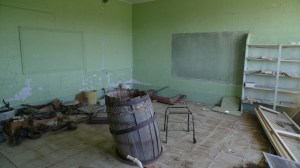
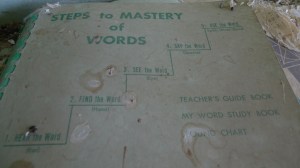
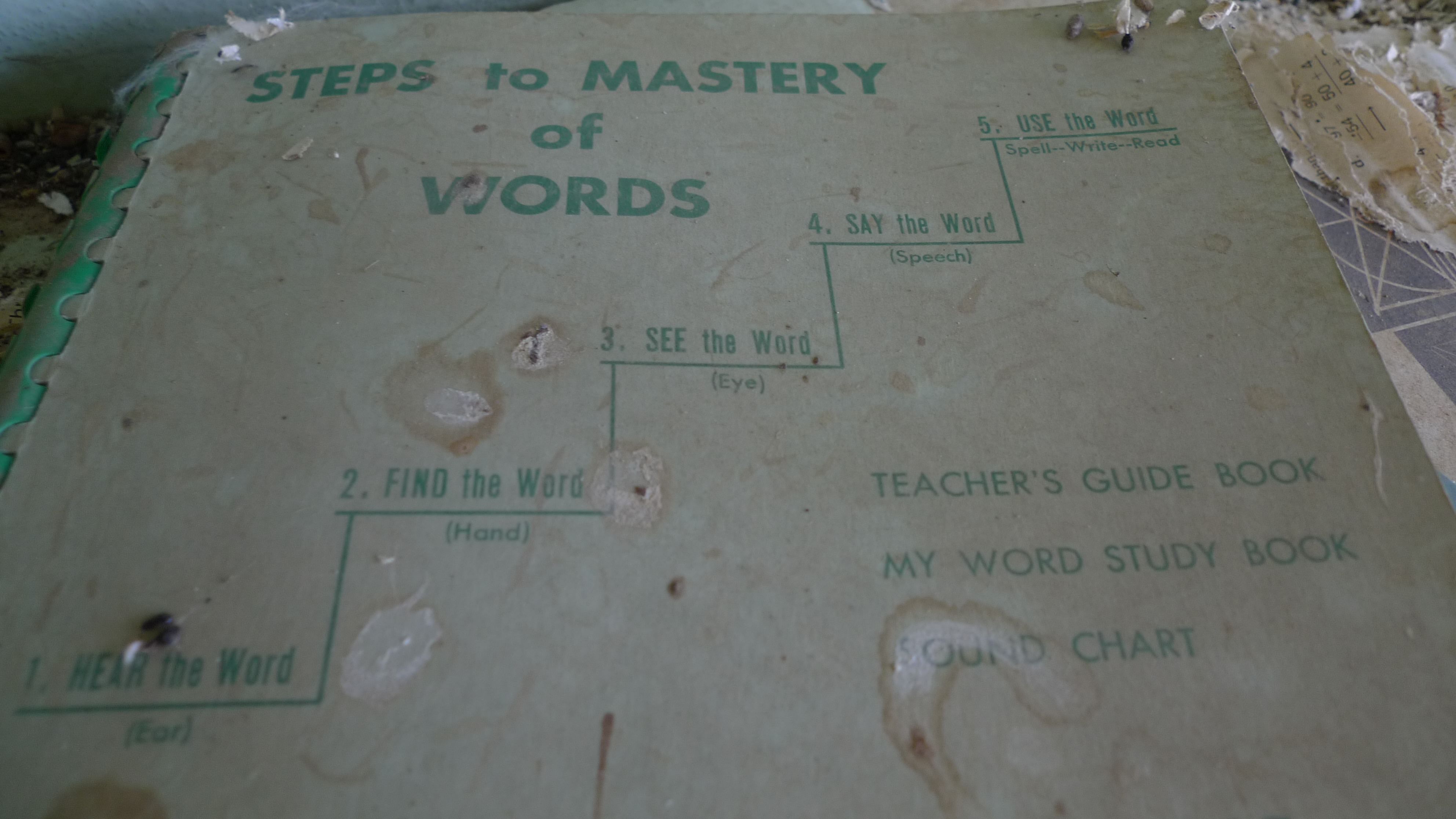
What remains inside the Upper Seven Mile School
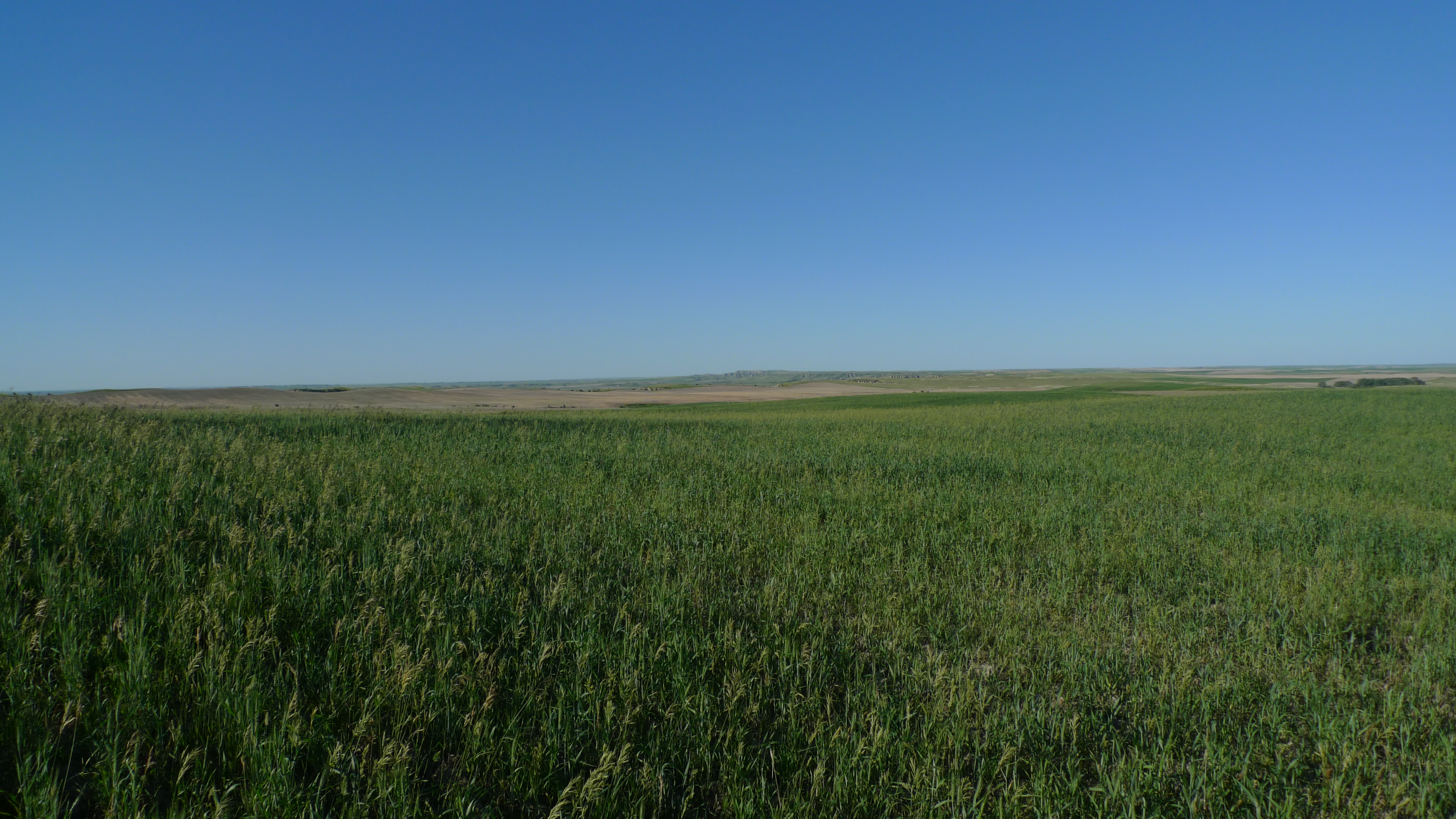
She left her young daughters in town to fend for themselves. The landscape hasn’t much changed since Rasmus and Glenna were alive — ravines and gullies, mesas like towers all draped in green. The Svenvold farm is on a table that sits high above the carved land, over fifteen square miles of wheat and cattle, spreading out like an ocean—one gorgeous farm house, 100 years old, in the middle of it all in which my husband’s father was raised. I never knew him. He died before I met his son. Surrounded by Svenvold men, the highest concentration of them I have ever or ever will encounter, welcoming and warm and loving, I felt I met Mark’s Dad. I feel I know him now. Out there in the midst of all this it occurred to both my husband and me how once long ago in 1910 we were both there in our grandparents. Our daughter said to us, “I have an idea. Write a novel in which Rasmus and Glenna meet. It could have happened that way. They meet, you know,” and she winked.









 MARTHA McPHEE