Where Do Titles Come From?

Bright Angel Time, my first novel had so many terrible working titles, but I wrote the book so long ago I can’t remember what they were.  I do remember that my editor wanted to change the title from Bright Angel Time to Falling Backwards. I refused because a Michael Douglas film was recently out called Falling Down and I didn’t like the association.  And, also, I loved my title.  I found it while hiking in the Grand Canyon with my husband a few months before finishing the book.  He had taken me there for inspiration. We were camped beneath the stars near the Bright Angel Trail and I can remember still the cool, desert air, being tucked in my bed roll, dreaming quite literally that I was the daughter of Clint Eastwood—the Eastwood of the spaghetti westerns that I love so much.  I remember waking up disappointed that the dream wasn’t true.  (Forgive me, Dad.)  Hiking out of the Grand Canyon, I knew even then, long before giving birth, that it would be the hardest thing I would ever ask my body to do—harder than childbirth.  (I thought of that when my first child was born.   And, by the way, I was right.)  As I hiked out, like a flash it came to me: Bright Angel Time would be the title of my novel.  Bright Angel is the name of a shale in the canyon that represents a period of time some 500 million years old from the Cambrian period in the Paleozoic.  Bright Angel shale, as a layer of the canyon’s strata, lies between Muav limestone and Tapeats sandstone.  Metaphors about time started bombarding me.  And I loved all the names.
Gorgeous Lies, my second novel.  I had many bad working titles.  To name two: Quo Vadis (I cringe to write that) and Farther India (which comes from an old map of Hindoostan.)  My editor thought that Farther India sounded either like Father India or a travel guide.  I agreed.  I despaired as I had no other ideas.  My mother suggested that I read some of my husband’s poems, promised me I’d find a title there.

From the last stanza of “Memo: From The Course of Empire By Bernard DeVoto”

How do I love thee, and why? O, congeries
of gorgeous lies, I’ve lost my way,
and rivers flow into other rivers, and they
flow into rivers that flow into the sea

From Empire Burlesque by Mark Svenvold
L’America, my third novel.  I was also asked by my publisher to consider something else but couldn’t think of anything I liked as well.  I was in love with an Italian man once and he used to say “l’America” quite a lot, with a sense of humor and impossibility—as though only in America.  A beautiful admiration and absurdity.

And finally, Dear Money, my fourth novel.  At first, and for most of the writing of the book, it was called I Can’t Keep Up: The Truth About The Joneses. I jettisoned The Truth About The Joneses, and then toward the end jettisoned I Can’t Keep Up-–because, I discovered, the main character keeps up and boy does she.  She transforms herself from struggling novelist to MBS trader. I thought very briefly about using Our Times, a shortened version of “a sign of our times” or “our foolish times.”  But it seemed t0o much like Hard Times or In Our Time. Then I read the brilliant biography of Maxwell Perkins: Editor of Genius by Scott Berg and found in there a letter to Perkins from Fitzgerald. Here, the last paragraph of that letter:

“I think Tom Boyd’s book is excellent—the preface is faintly pretentious but the stories themselves are great. By the way I think my new collection will be called Dear Money. It ought to be awfully good and there will be no junk in it.

Yours in a Tremble,
Scott”

Fitzgerald jettisoned Dear Money for his collection of stories, calling it instead All The Sad Young Men. In my family, filled with writers, when we hear something we like we jut our hand into the air and say, “That’s mine.”  It means no one else can use it.  That’s mine, I said to myself.  That’s it.  That’s the title of my fourth novel.  As a book that is quite interested in the subject of money, who better to offer me its title than Fitzgerald?

A tip: working titles, as bad as they may be, help you in ways you might not understand through the first drafts.  Don’t be embarrassed by them, but know they are rarely, in my experience, the final title.   Use them for what they offer and then laugh about them later.

Another tip: If in your heart you love your title and your publisher asks you to change it, DON’T—unless, of course, a convincing argument is made that you believe in, in your most artistic heart.  My husband let go of the title he desired most for his first book on nonfiction.  His title was A Century’s Corpse.  A great title.  It comes from a Thomas Hardy poem.  Mark’s book was about a corpse that traveled from freak show to freak show across the 20th Century.  His title was perfect but the publisher thought people would be turned off by the word corpse so used the corpse’s name instead: Elmer McCurdy. Mark regrets giving in to this day.

Special thanks to F. Scott Fitzgerald for discarding his working title.

Where do your titles come from?  Please let me know.

Add to FacebookAdd to DiggAdd to Del.icio.usAdd to StumbleuponAdd to RedditAdd to BlinklistAdd to TwitterAdd to TechnoratiAdd to Yahoo BuzzAdd to Newsvine

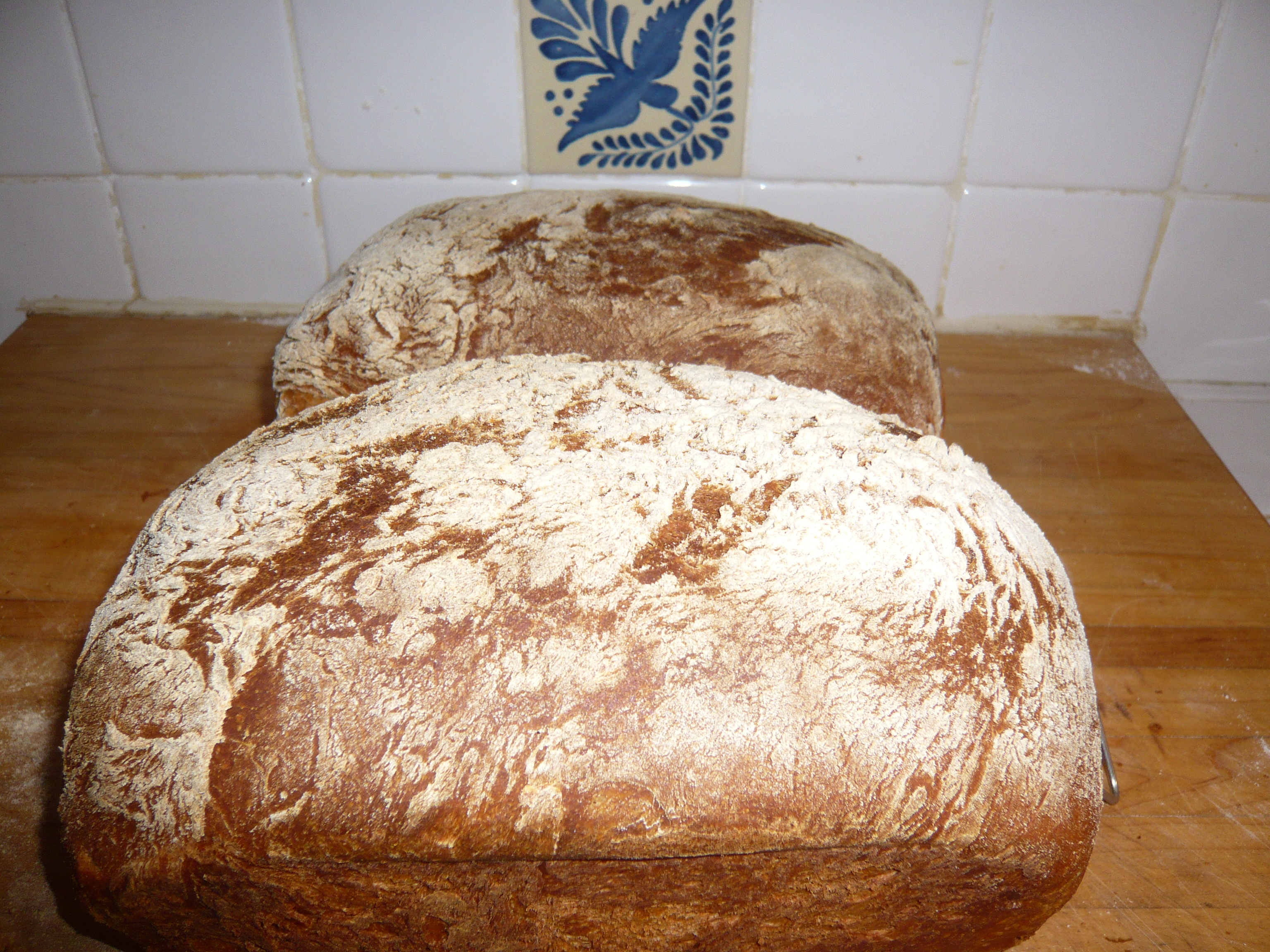
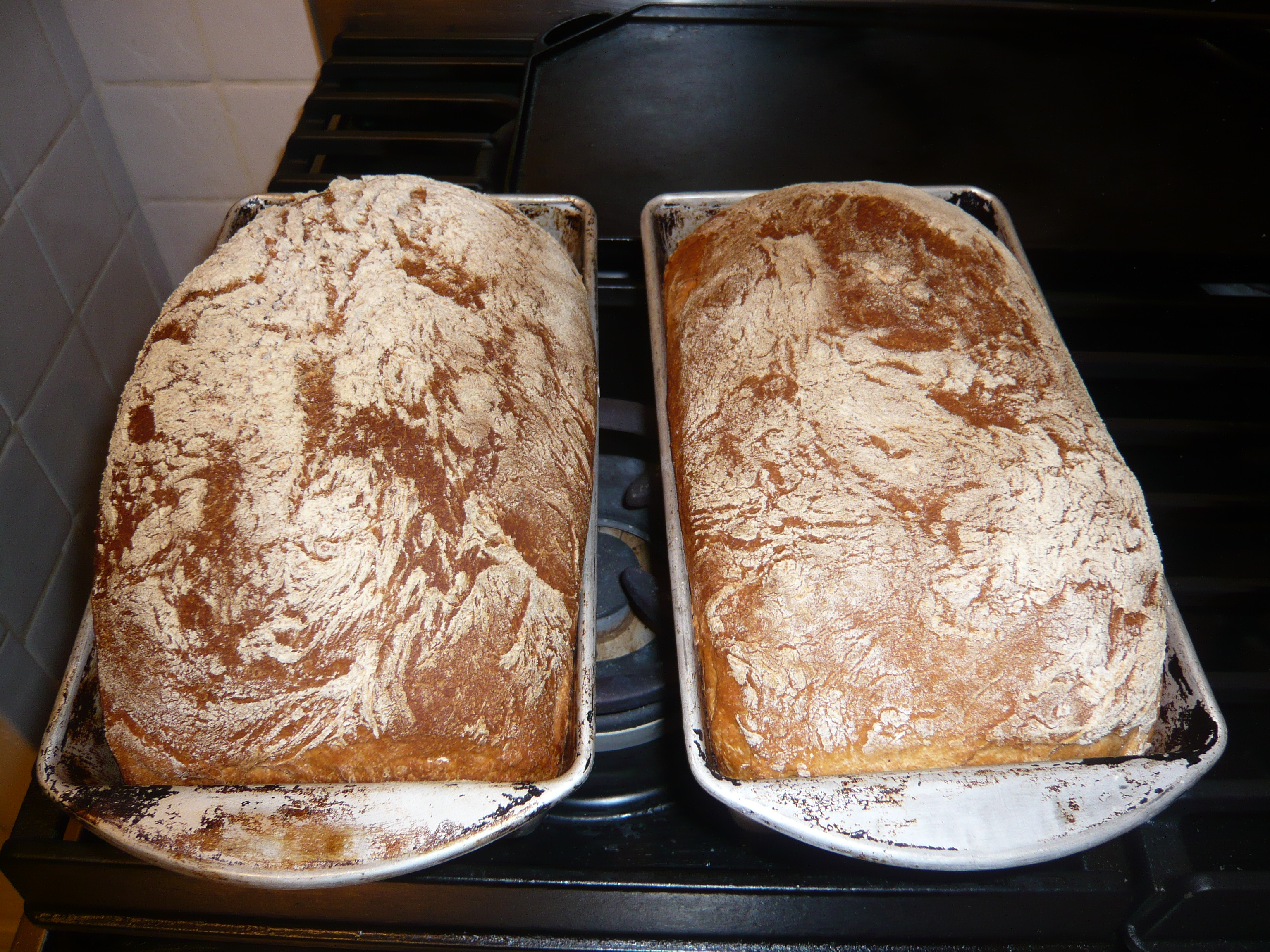
This Is What I Do When I Can’t Write,

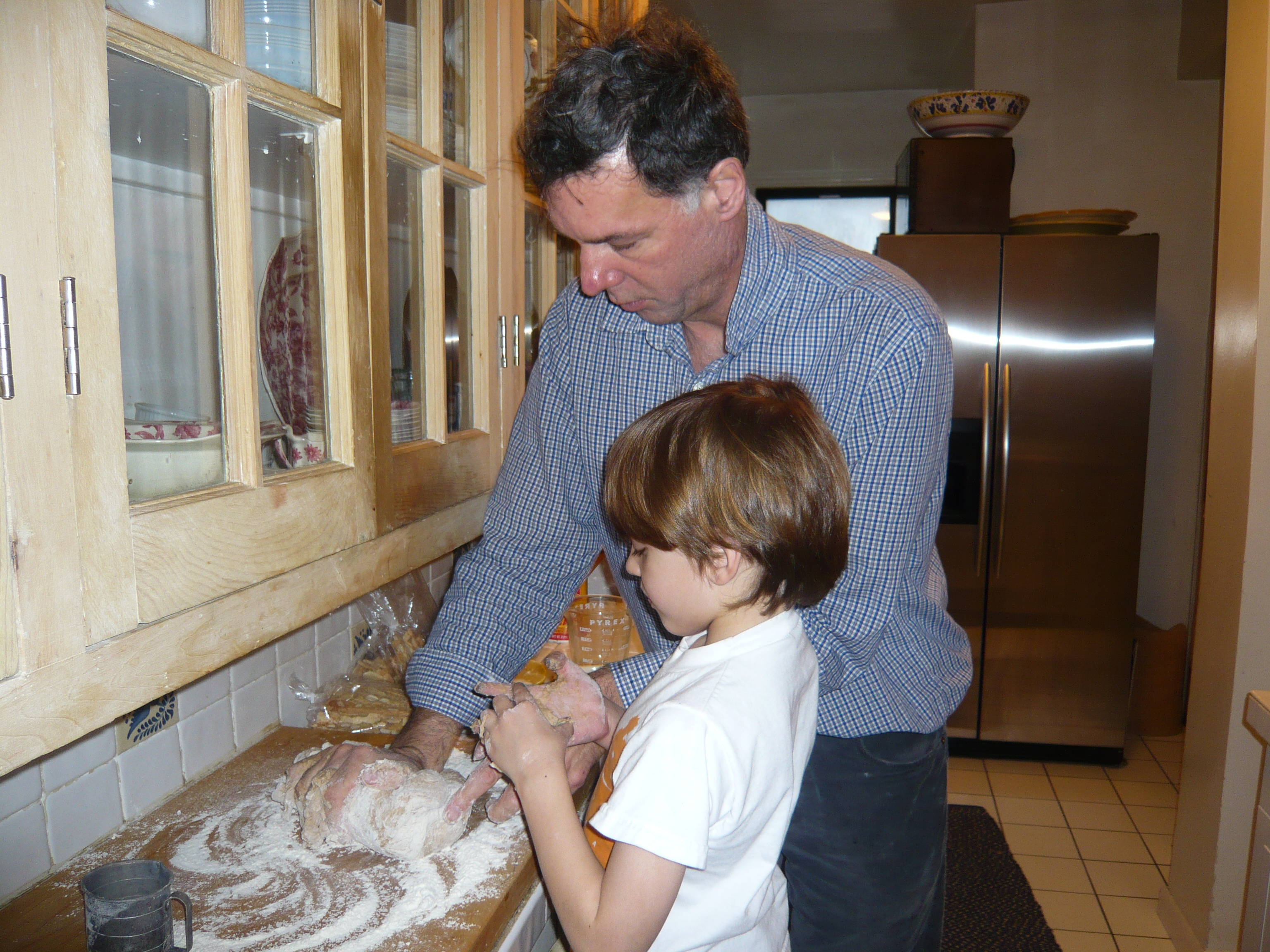
bake bread with my son.

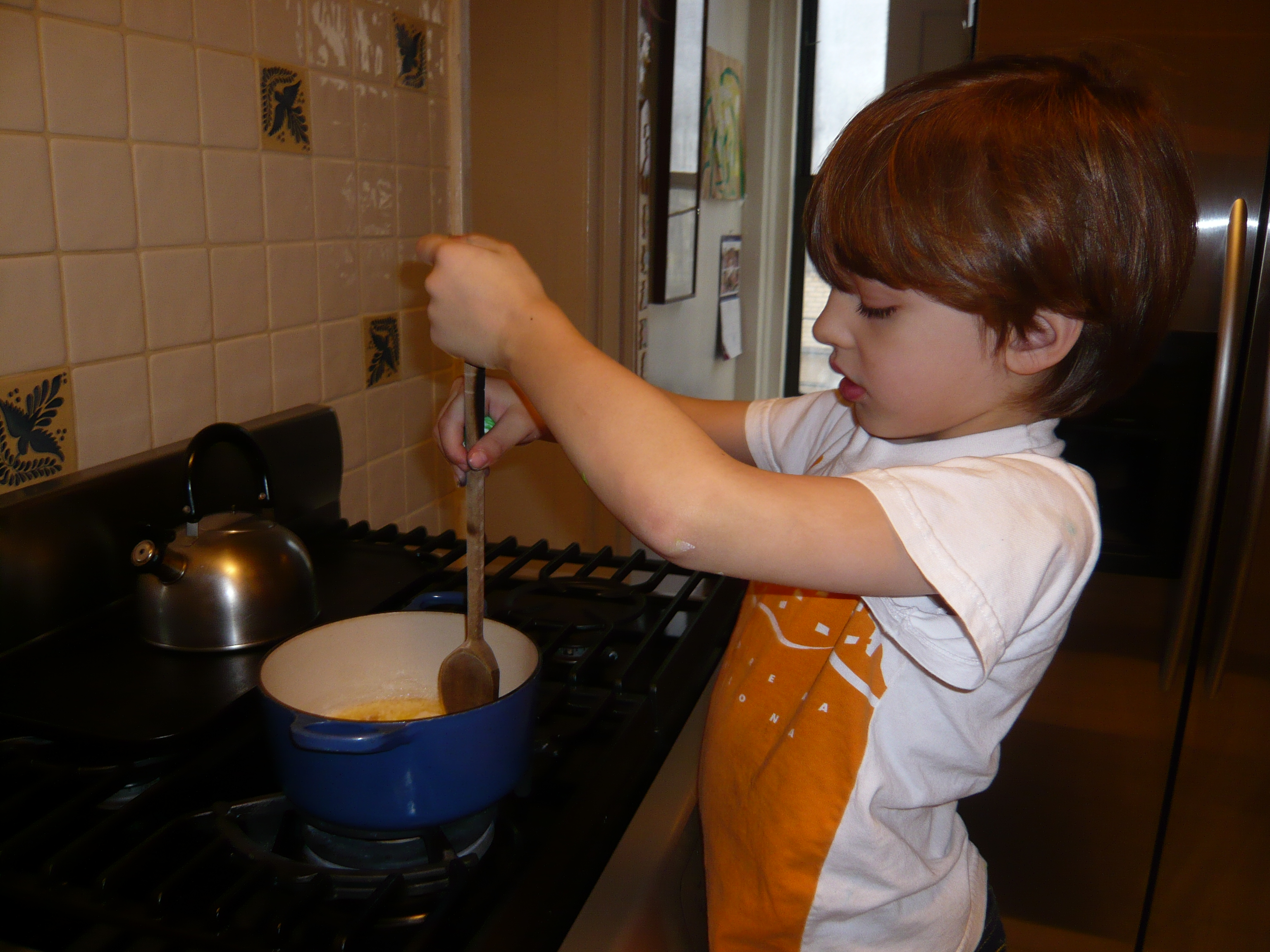
Jasper

Whole-Wheat Bread

1/2 cup milk

1/2 cup brown sugar

1/2 cup butter

4 teaspoons salt

1 3/4 cups lukewarm water

2 teaspoons sugar

2 packages active dry yeast

3 cups whole-wheat flour

3 cups white flour

Heat the milk, brown sugar, butter and salt together in a saucepan.  Stir constantly and remove from heat when butter melts completely.  Cool until lukewarm.  Mix the water and sugar.  Sprinkle the yeast on top. Stir once and then let stand 7-10 minutes.

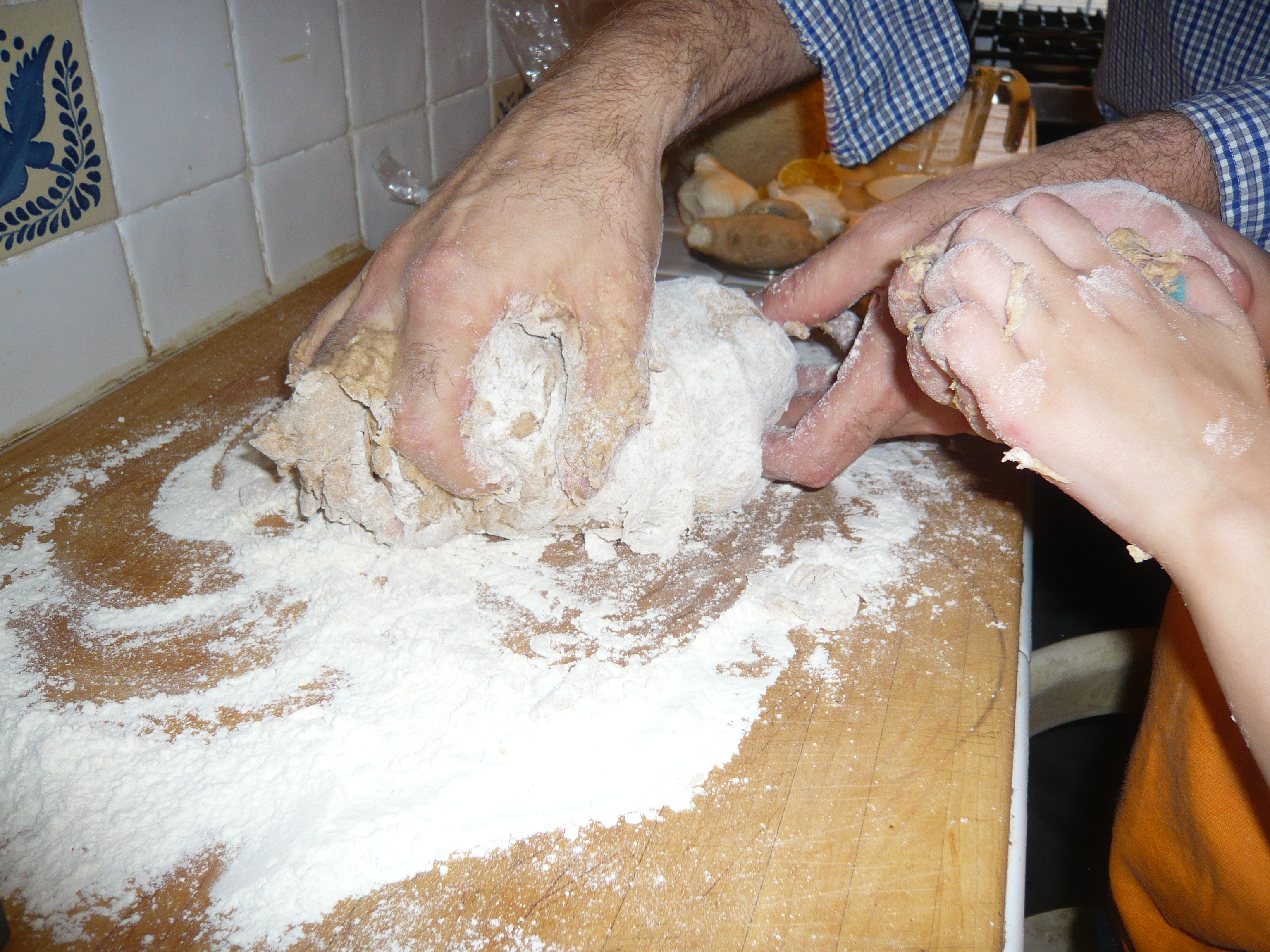
Mix in the warm milk.  Stir together the whole-wheat and white flours.  Make a well in the center of the flour and pour in the yeast mixture.  Work the flour into the yeast, a little at a time.  Beat well, turn out on a lightly floured board.  Knead until smooth and elastic–at least 5 minutes.

A little help from Mark

Place in a greased bowl, cover with a dish towel and let rise until doubled in bulk, over an hour.  Turn out on a board and knead again for 1-2 minutes. Divide in half, and shape into loaves.  Place in greased bread pans, 9x5x3 inches.  Cover and let rise again until center of dough is slightly higher than the edge of the pan, about 45 minutes.  Bake at 375 for 40-50 minutes.  The top should be brown and the bread should sound hollow when tapped lightly with the fingers.  Remove from pans immediately and cool on wire racks.

Add to FacebookAdd to DiggAdd to Del.icio.usAdd to StumbleuponAdd to RedditAdd to BlinklistAdd to TwitterAdd to TechnoratiAdd to Yahoo BuzzAdd to Newsvine

In Glaring Contrast

“We must work passionately and indefatigably to bridge the gulf between our scientific progress and our moral progress. One of the great problems of mankind is that we suffer from a poverty of the spirit which stands in glaring contrast to our scientific and technological abundance. The richer we have become materially, the poorer we have become morally and spiritually.”

Martin Luther King, Jr.

Add to FacebookAdd to DiggAdd to Del.icio.usAdd to StumbleuponAdd to RedditAdd to BlinklistAdd to TwitterAdd to TechnoratiAdd to Yahoo BuzzAdd to Newsvine

The Books I’m Reading Next

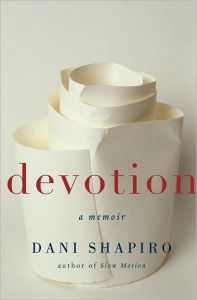
Because I’ve asked and been asked the same questions about belief.  I’ve admired Dani for a long time.  She leads a thoughtful life and she’s a beautiful stylist.

Devotion by Dani Shapiro

Book Trailer

danishapiro.com

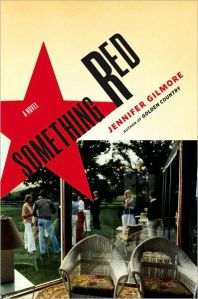
Because the description of the book makes me nostalgic for the 1970s (crazy), and I want to see what Gilmore does with that history and her abundant talents with language.  Her trailer is fantastic, jazzy and urgent, and led me to preorder the book immediately.

Something Red by Jennifer Gilmore

jennifergilmore.net

View the book trailer

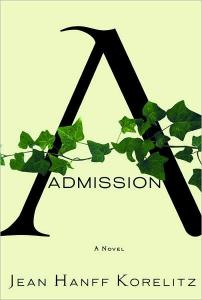
Because Koelitz is so smart, her prose rich, and who doesn’t want to know about the secret life of a Princeton admissions officer…

Admission by Jean Hanff Korelitz

jeanhanffkorelitz.com

Literally, because the book is such a gorgeous object—beautiful cover, rough cut pages, French flaps.  All that and it is a paperback original.  Then last Sunday it received a rave in the New York Times Book Review.  My friend, Elisabeth Schmitz, is the editor and I love her taste.

The Disappeared by Kim Echlin

New York Times Review of The Disappeared


Because I’ve been following her for a while now, her project speaks to me, I’ve felt the things she’s felt about days being long, years short.  I want to practice appreciating what I have more.  Because I admire her tremendously for her determination, her positive approach.  Her book trailer made me cry; I didn’t pause long enough when my children were so young, to enjoy the simple rituals that create their childhoods.  But they are still only 5 and 9, so it is not too late.

The Happiness Project by Gretchen Rubin

gretchenrubin.com


Add to FacebookAdd to DiggAdd to Del.icio.usAdd to StumbleuponAdd to RedditAdd to BlinklistAdd to TwitterAdd to TechnoratiAdd to Yahoo BuzzAdd to Newsvine

Soiree with Focaccia

Saturday night the amazing and inspired Debbie Stier of Harper Studio organized a wonderful group of people that care deeply about the future of books and who are all carrying them forward, in one way or another, into the 21st Century, with the help of the internet.  I hosted the soiree at my apartment with Debbie and my husband.  A collection of writers and readers and thinkers and dreamers and makers and doers.  It’s been a long time since I’ve been in a room filled with strangers all of whom I wanted to speak with. Jonathan Fields and Dani Shapiro talked about social networking, how one must enter it in the spirit of being helpful or useful in some capacity. Readers easily sniff out mercenary motives. Sometimes writers misuse Twitter, for example, when they have a book come out. They start tweeting about their book tour, etc, and they clearly haven’t invested any time in establishing a community—of offering anything to the community. “It would be like walking into a party like this and, after two minutes, trying to sell you something,” said Fields. In short, the community, and one’s investment in it, comes first. The trick is to find something you want to spend time writing about, as a community member, and be of service to that community. Dani Shapiro has been writing about issues that writers face. Jonathan has been helping people re-think their ideas of entrepreneurship. Both are areas of interest each has anyway. When one of their books comes out, it’s just something else added to the mix.

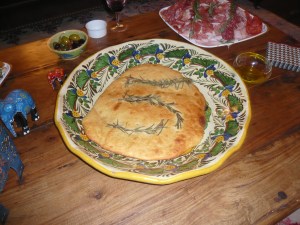
I love collecting people and then feeding them.  I wanted to keep it simple so I ordered wine from Whole Foods Wine Store, on Columbus and 100th Street using Veronica there to help me choose.  She has a vibrant vocabulary for wines, making them all sound exquisite: “It’s like a Sauvignon Blanc that’s gone on a tropical vacation,” she said of one white.  I made focaccia and ordered plates of various salumi from Salumeria Rosi, my new favorite restaurant on Amsterdam and 73rd in NYC.  The focaccia recipe is my friend Dodi’s and it is easy and very forgiving.

Click Soiree with Focaccia to watch a slide show of focaccia preparation, before the guests arrived.  Ron Hogan is pictured.  He was the first to arrive. We promised to take pictures, but were too busy having fun to think about the camera…

Recipe for Focaccia—easy and forgiving

1 1/2 cups regular flour

1 1/2 cups bread flour

2 cups of water

1 package of yeast

1 Tablespoon salt

2 Tablespoons sugar

1/2 cup of olive and vegetable oils, mixed — 1/4 cup each

Let yeast activate on top of warm water for about 10 minutes.  Add all ingredients.  Stir to combine.  Let rise for 1 1/2 hours covered with a cloth. Line a baking sheet with parchment paper.  Pour dough onto parchment, patting down with wet had.  Sprinkle with sea salt and fresh rosemary.  You can chop it.  I don’t because I end up being too lazy or in too much of a hurry. Cook at 425 for 10 minutes.  Reduce heat to 400 and cook for another 20 minutes.  Drizzle with olive oil after removing from oven.  Serve immediately.   If you have leftovers, it’s so good for breakfast dipped in warm milk.

Some of the people who came:

Debbie Stier

Julia Cheiffetz

Charlotte Abbott

Jonathan Fields

Pablo Defendini

Ami Greko

Ryan Chapman

Richard Nash

Constantine Markidos

Iris Blasi

Aubrey Lynch

Ron Hogan

Dani Shapiro

Michael Maren

Jennifer Gilmore

Mark Svenvold

Hilary Stout

Peter Truell

Guy Wiggins

Rose Kernochan

Margot Gilman

Stephen Tympanick

Kamy Wicoff

At some point, Mark picked up his guitar. Constantine ran to get his harmonica and they moved on into “Fulsom Prison,” with Kamy swooping in on harmony. They stayed until midnight sharing some of their favorite music: Low, The Dimes, a terrific band from Portland, Oregon, and Jose Gonzalez, among others.  And after talking to Constantine, we’re now dreaming of a trip to Cypress from where Constantine’s family comes.

After Saturday night, surrounded by these astonishing people, I feel exhilarated, hopeful about the future of the book.


Add to FacebookAdd to DiggAdd to Del.icio.usAdd to StumbleuponAdd to RedditAdd to BlinklistAdd to TwitterAdd to TechnoratiAdd to Yahoo BuzzAdd to Newsvine

Home For The Holidays

The Farm, Christmas 1973

I remember coming home for Christmas, from college, from my years in Italy, from my early days in New York City, as a new mother.  I remember on one occasion lying on the couch, reading the essay On Going Home by Joan Didion and feeling just as lethargic as she had, incapable of doing much other than lying on the couch as the chaos of nine siblings and various others swirled around me.  I remember the years and years of going to my father’s on Christmas Eve, returning to my mother’s by midnight — a decree imposed by the  court on my divorced parents.  It became a ritual of sorts that carried on long after my sisters and I became adults.  I remember holidays in Sri Lanka and Nepal and Hawaii, anywhere but home, trying to find my own way.   But they were never as happy as I wanted them to be.

Of the people in the photo above, my stepfather and his mother, Merle, have died, otherwise this year nine of the ten children and my mother were at the Farm with our various children and friends passing through.  For Christmas dinner we were twenty-three.  We ate pork loin stuffed with dried fruits in a Madeira and molasses sauce; mashed potatoes; French beans with pomegranate seeds (made by Jenny who learned the recipe in London, where she lives, “They make it so much over there, at all the dinner parties, that it’s actually now a cliché to serve it.”); a salad of mache with pears and crushed almonds dressed with shalots macerated in equal parts lemon juice and white wine vinegar.  For dessert: bourbon pecan tart; pumpkin tiramisu; bread pudding with whiskey sauce.  We like to eat.  We eat well.  It snowed the day before, a vast blanket covering the fields.  On Christmas Eve we read the children “Yes, Virginia, There Is A Santa Claus” as Santa ran across the rooftop, scaring the littlest one.  No one fought.  In the morning: presents were opened one by one.  A howling wind and bitter cold, a gray sky which seemed to promise more snow.  The big beautiful tree lit with colored bulbs that first glowed in the 1960s, my grandmother’s glass ornaments.  The kids raced down the hill on toboggans, wrapped in scarves and hats and gloves and bulky coats.  They made a snowman, collected chicken eggs, forgot to shut the door to the coop, chased chickens, made a movie on a Flip about bad guys who not only get away with it, but convert the good guys to bad guys.  My father and stepmother, Yolanda, joined us for dinner.

All of us have tried other Christmases, elsewhere.  The chaos, the mountain of presents, the tension created by expectation, the energy of so many personalities can be too much.  But since 1973, our first Christmas at the Farm as a blended family, we have—all of us, my sisters and my step-siblings—kept trying to make it beautiful.  We have kept coming back.  We don’t give up.  Thirty-six Christmases have passed since 1973.  And this year we did get something very right.

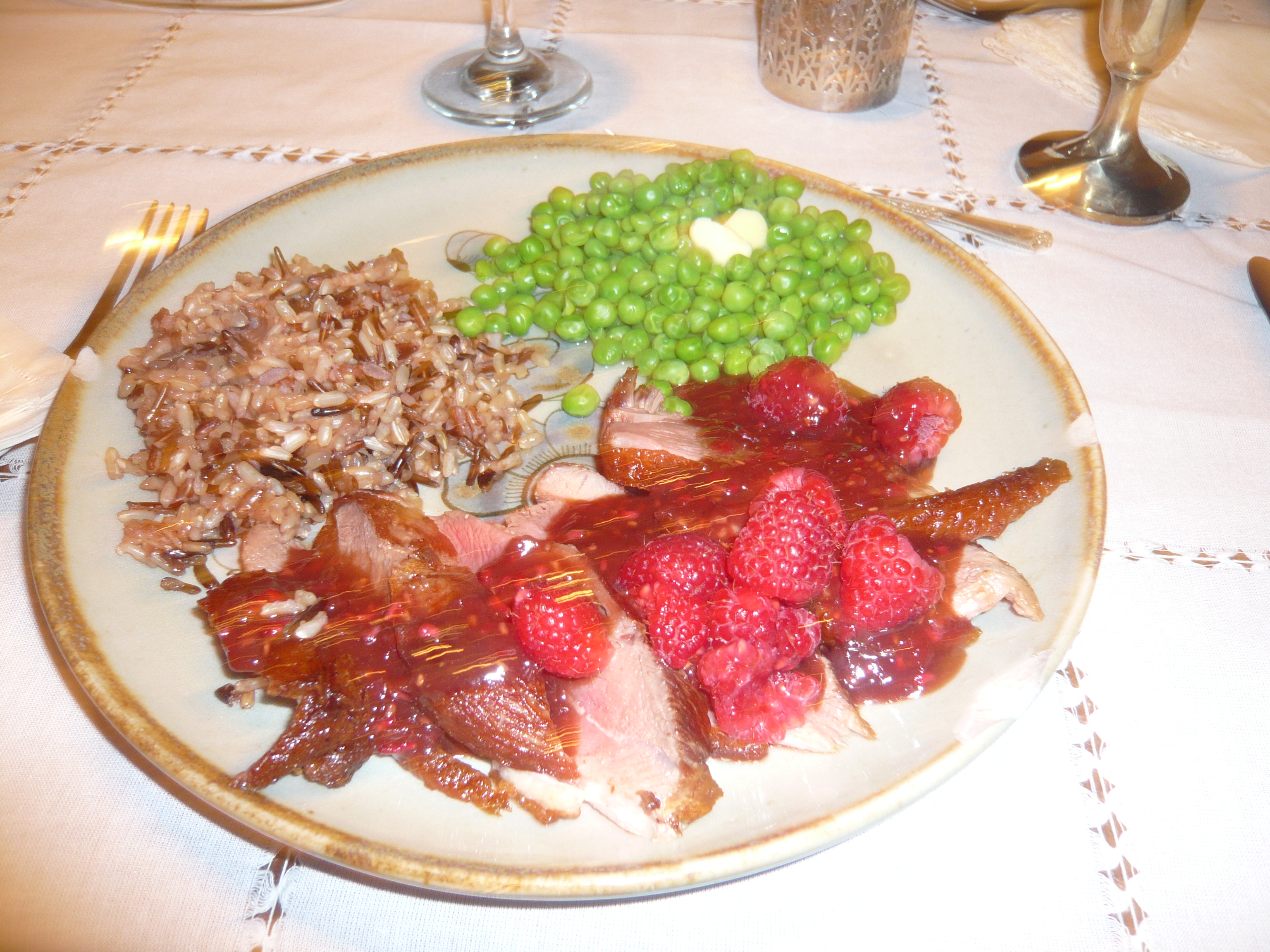
Another holiday feast: Sarah’s Raspberry Duck with wild rice and peas

A few gathered to watch the children’s movie about the bad guys winning

An essay for the NYTimes on the hazards (and blessings) of Christmas: it happens to be, of my essays, my favorite

Add to FacebookAdd to DiggAdd to Del.icio.usAdd to StumbleuponAdd to RedditAdd to BlinklistAdd to TwitterAdd to TechnoratiAdd to Yahoo BuzzAdd to Newsvine

Christmas Cookies

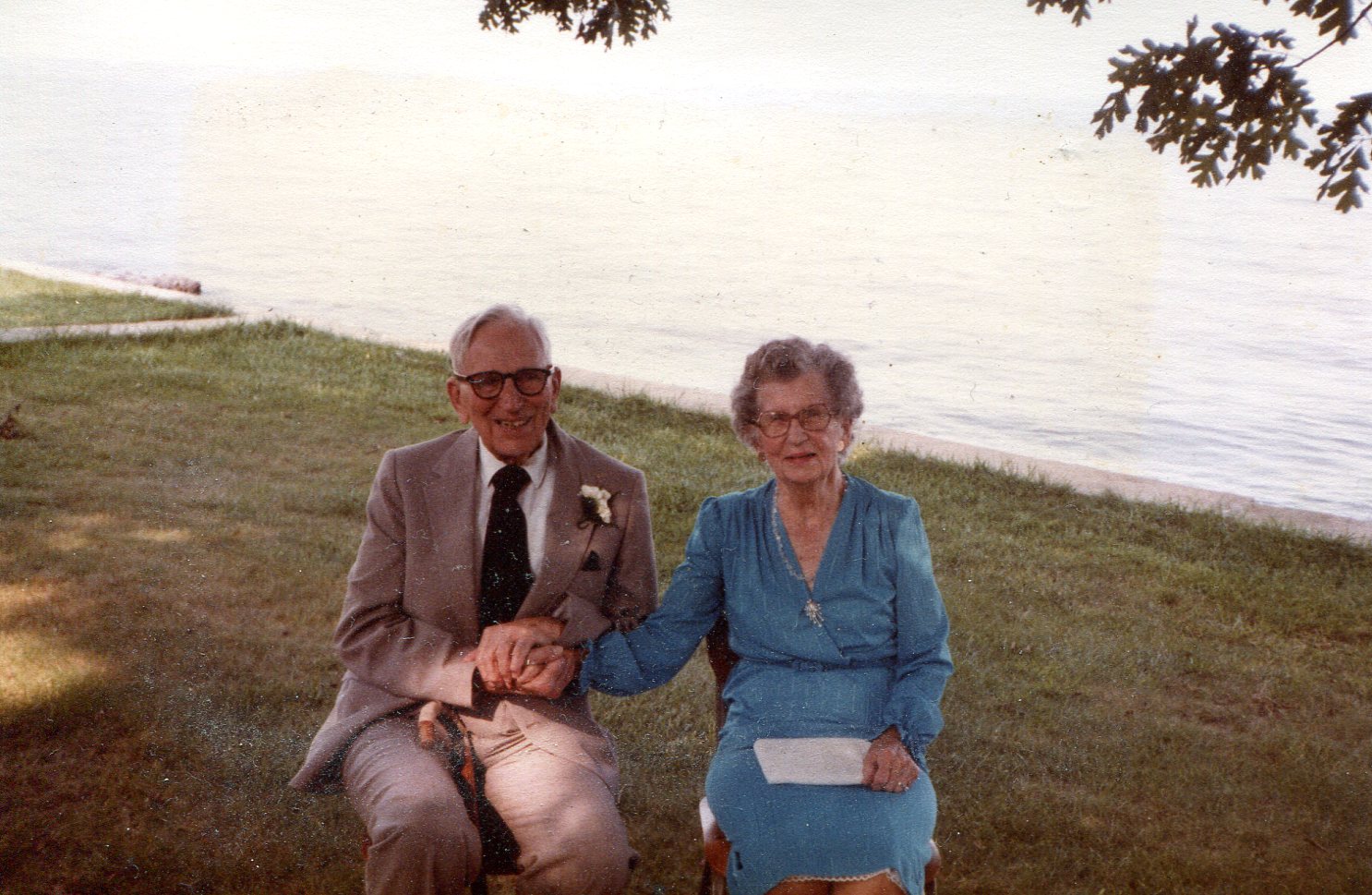
At a very young age, along with my older sisters and cousins, I made Christmas cookies with our grandmother.  She had a special recipe that my entire, extended, enormous family still uses though she died many years ago (1997) at the bright age of 100.   I still see her hands rolling the dough, patiently helping me place the cutters, the kids pouring the sparkles all over everywhere—and can smell that hint of burned sugar.  Making the cookies meant Christmas was here.

Mamie and Mickey at the edge of Carnegie Lake, Princeton

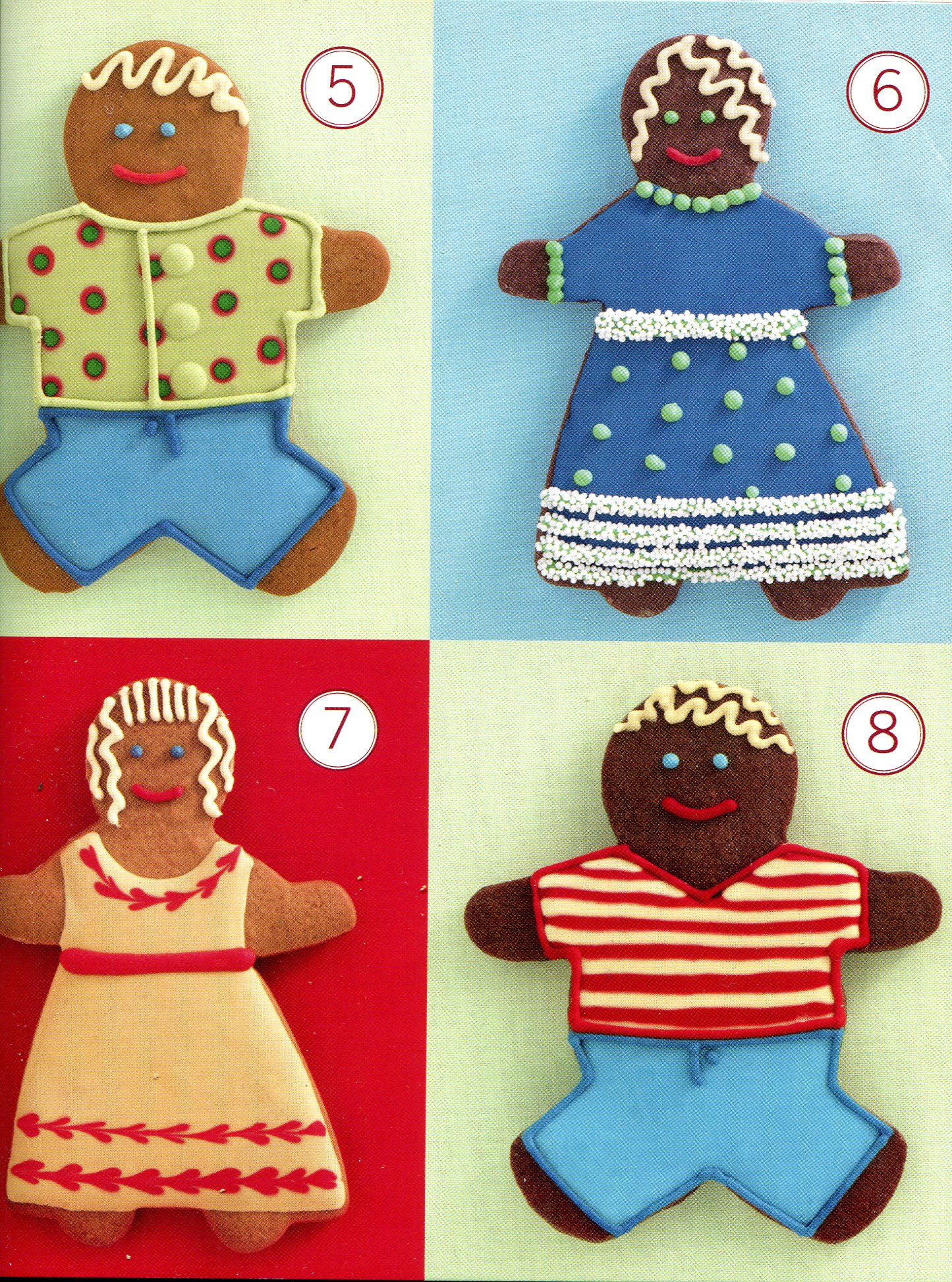
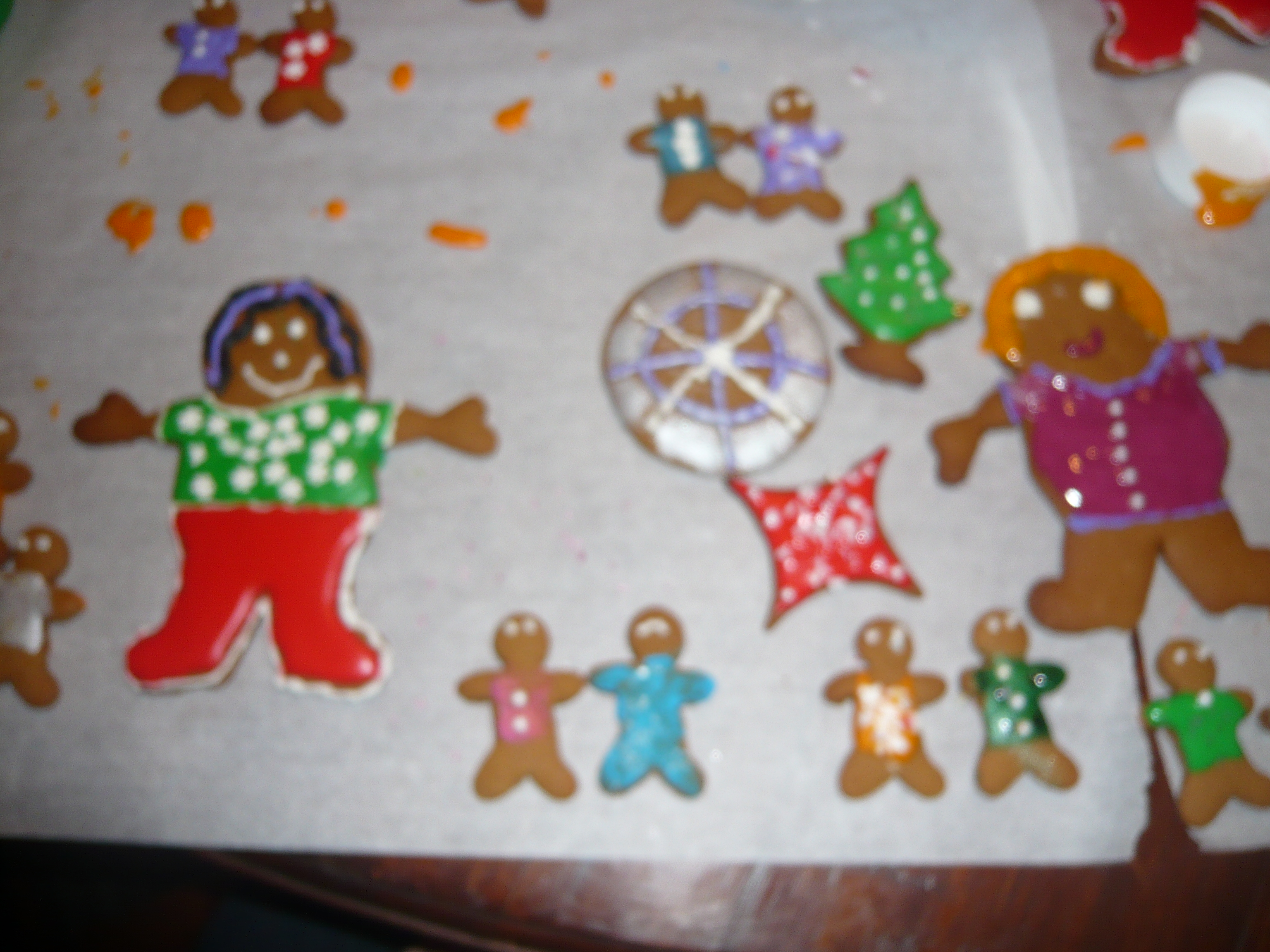
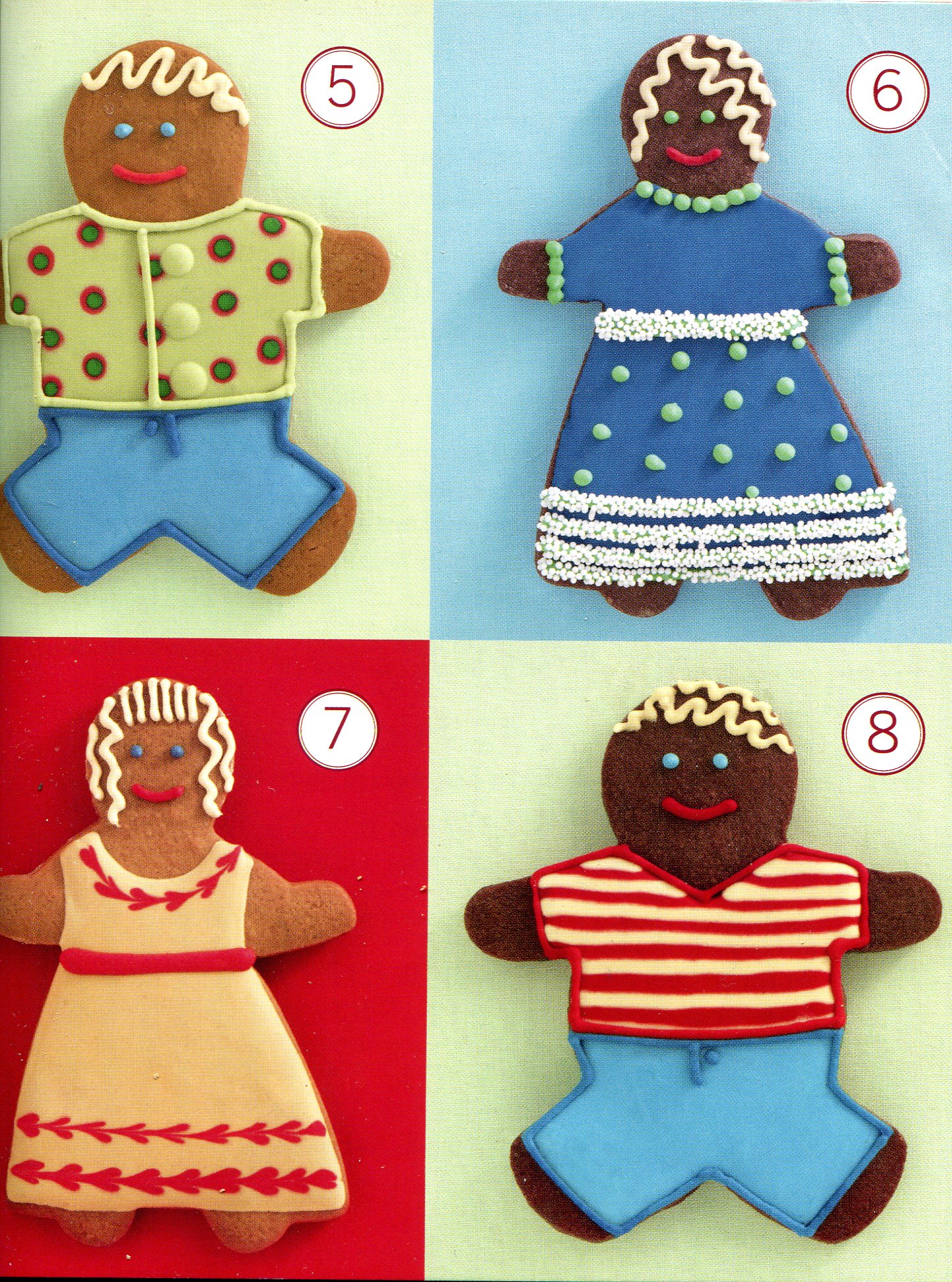
This year, however, I broke the tradition.  Livia decided she wanted to make more elaborate cookies, cookies we would paint and glaze and color and luster dust and pipe and flood and blow with sanding sugar—terms I’d never heard of.  She found this cookbook:

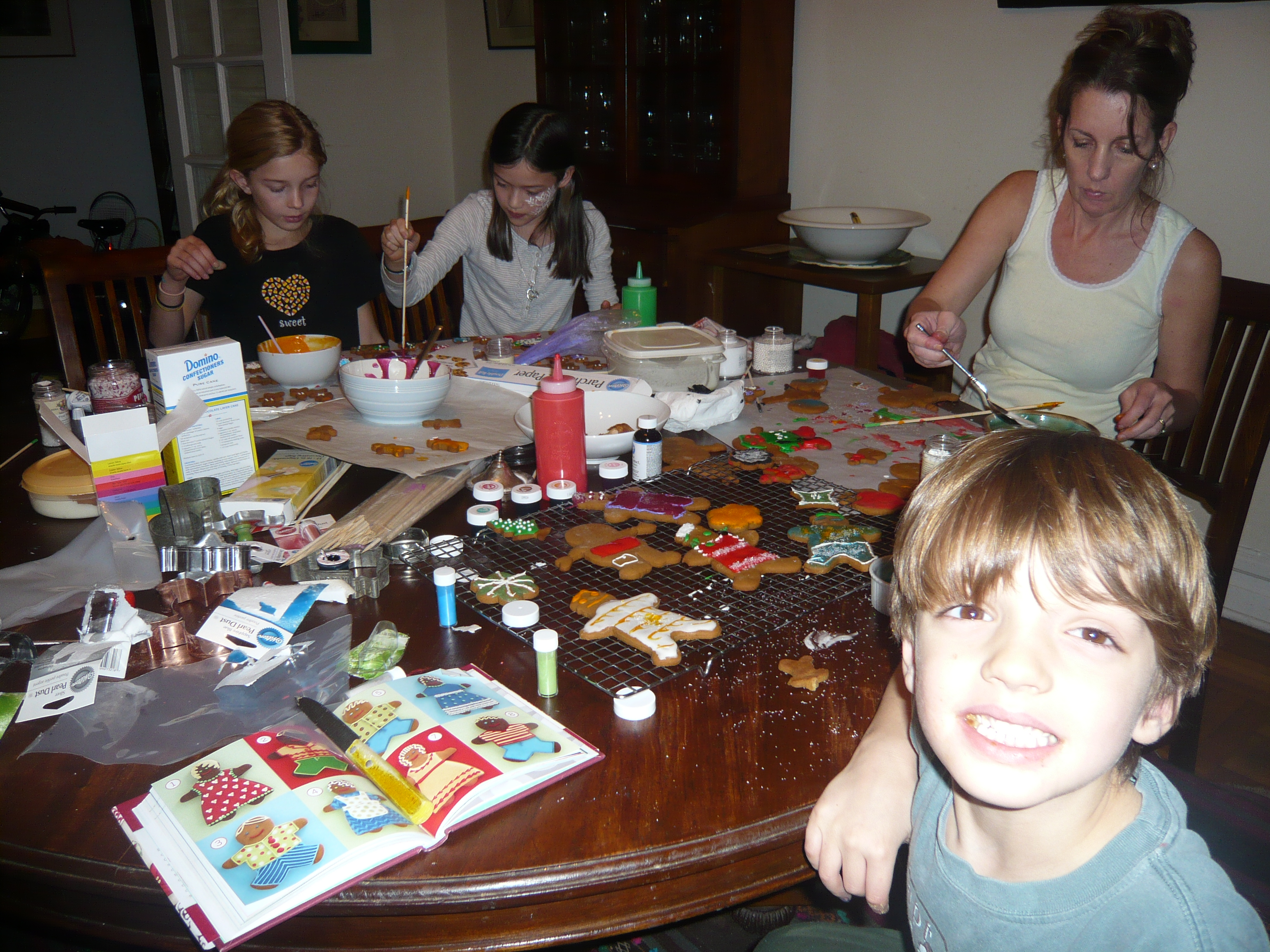
So we got to work Saturday afternoon and worked into the evening,

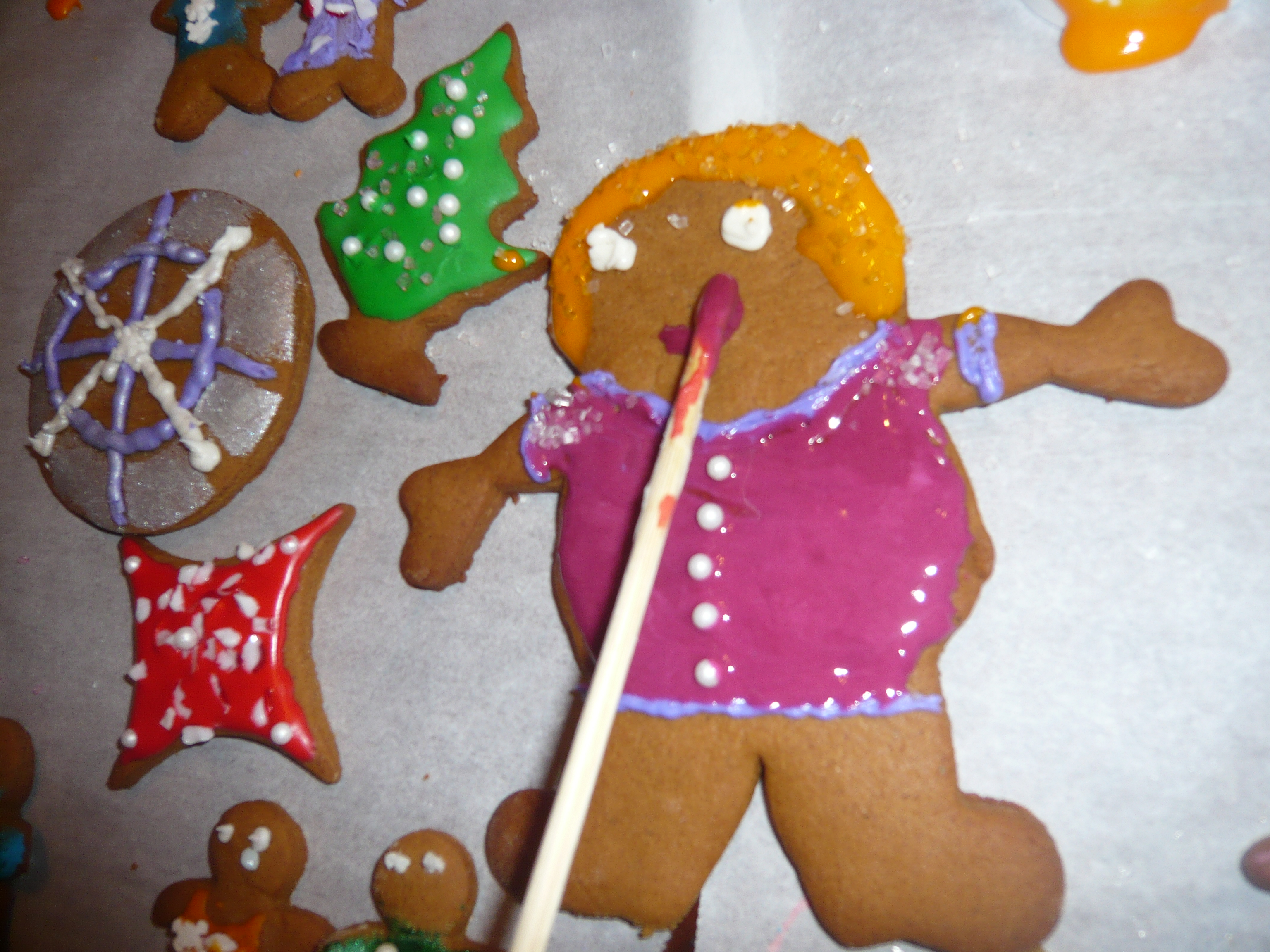
trying to replicate the pictures in the book.

With all the flooded icing and sugars, I wondered who’d ever want to eat them.

Though this art will take many years to master, I was wrong about who’d want to eat them.  Both the sugar and gingerbread cookies were delicious—just as good, or almost, as Mamie’s.

Add to FacebookAdd to DiggAdd to Del.icio.usAdd to StumbleuponAdd to RedditAdd to BlinklistAdd to TwitterAdd to TechnoratiAdd to Yahoo BuzzAdd to Newsvine